
The Sunscreen News Parents Have Waited 20 Years to Hear
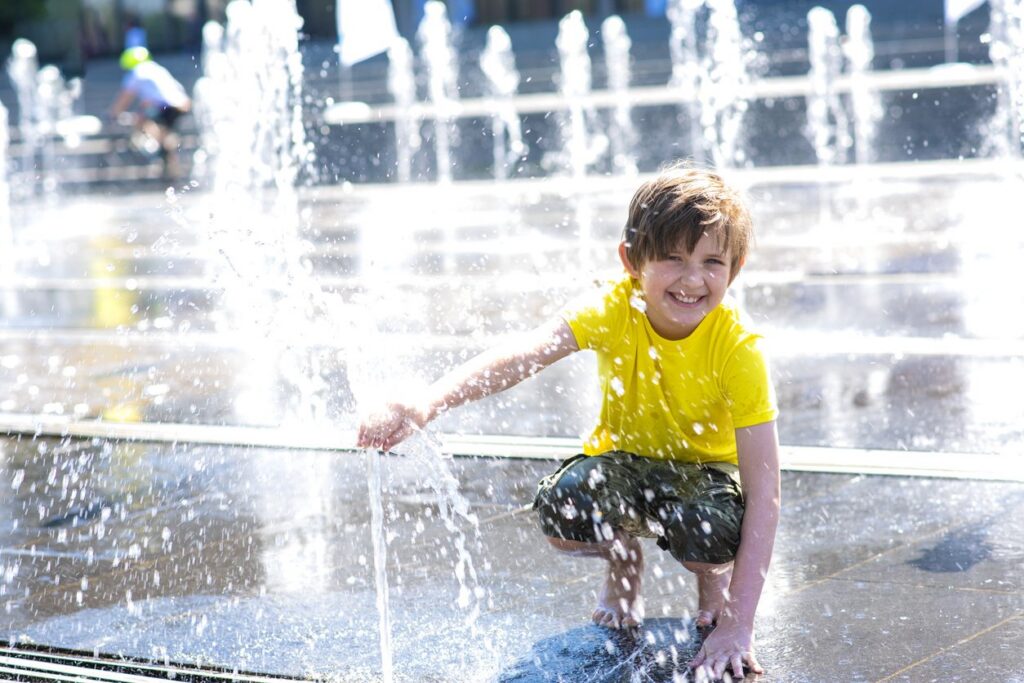
Creative world school Jul 17, 2026Sunscreen shopping hasn’t changed much in the last two decades, until now. In June 2026, the FDA approved bemotrizinol, the first new sunscreen active ingredient cleared for U.S. use in roughly 20 years. If you’ve ever stood in the sunscreen aisle wishing for something that actually held up to a full day at the splash pad, this is the update worth knowing about before your next bottle runs out.

What Makes This Ingredient Different
Most current sunscreens need two or three active ingredients working together to cover both UVA and UVB rays. Bemotrizinol does both jobs on its own. It’s also more photostable than many existing chemical filters, meaning it holds up better in direct sun instead of breaking down, and it absorbs into the skin far less than older ingredients, which has been a real concern for parents watching the research on sunscreen chemicals showing up in the bloodstream. It also skips the white cast that comes with mineral sunscreens, so it goes on clear.
Is It Safe for a Preschooler?
The FDA specifically cleared bemotrizinol as safe and effective for adults and children as young as 6 months old. It’s already been used safely in sunscreens sold in Europe and elsewhere for years, so this approval is less about brand-new science and more about U.S. regulations finally catching up. That said, pediatric dermatologists still point to mineral sunscreen with zinc oxide as the tried-and-true first choice for very sensitive or reactive skin, so it’s worth trying a small patch first if your child has never used it before.

When You Can Actually Buy It
Products with bemotrizinol are expected to start showing up on U.S. shelves in fall 2026. One manufacturer currently holds exclusive rights to the approval, but several other sunscreen brands have already said they plan to formulate with it once that exclusivity opens up, so more options should follow fairly quickly.
What To Do With the Sunscreen You Have Right Now
Until the new formulas arrive, the basics you already know still hold up. Reapply every two hours, and immediately after swimming or heavy sweating. Look for SPF 30 or higher with broad-spectrum coverage on the label. Keep outdoor play out of the 10am to 4pm window when the sun is strongest, and lean on hats, rash guards, and shade as the first line of defense rather than sunscreen alone. A great new ingredient is exciting, but it’s still one part of a bigger sun-safety habit.
At Creative World School, sun safety is part of how we plan outdoor play all summer long, from shaded activity times to reminders that go home with your child. If you’re curious what else goes into a typical summer day in our classrooms, find a school near you and come see it for yourself.

Related Articles


Categories
- About Creative World (3)
- All About Water (4)
- Altamonte Springs (1)
- Animal Adventures (4)
- Apollo Beach (6)
- Apopka (4)
- Art (5)
- Avalon (2)
- Avalon Park (5)
- Away We Go (3)
- Back to school (4)
- Belton (4)
- Blogs to Share on Social Media (7)
- Bonita Springs (1)
- Brandon (2)
- Brrr... Cold! (2)
- Buggin' Out (2)
- Build It Up Theme (6)
- CampTastic (3)
- Chesapeake (2)
- Childhood Development (33)
- Children Book Recommendations (13)
- Children Quotes (1)
- Children Songs (1)
- Construction Theme (1)
- Contests (1)
- Creative World Curriculum (4)
- Creative World School (2)
- Crosscreek (4)
- CW Activity (2)
- CW Books (11)
- CW Celebrates (10)
- CW Character Traits (1)
- CW Educational Focus (4)
- CW Spotlight (1)
- Cypress Springs (3)
- Delicious Recipes (2)
- Did You Know? (1)
- Down To Earth (3)
- Early Education (19)
- Education (7)
- Estero (8)
- Fall Activities (3)
- Fall Festival (1)
- Fishhawk (3)
- Food (2)
- Franchise (1)
- Franklin Township (3)
- Friendship Theme (1)
- Fun National Holidays (19)
- Georgetown, TX (2)
- Health & Safety (5)
- In The Sky (2)
- In The Trees (4)
- iSTEAM (1)
- Katy, TX (4)
- Kindergarten (5)
- Land O' Lakes (3)
- Leander, TX (1)
- Lee's Summit (5)
- Liberty (1)
- Literacy (8)
- Loudoun County, VA (1)
- Mealtimes (1)
- Naples (3)
- New Schools (1)
- North Naples (4)
- Oakstead (4)
- Ooey Gooey (1)
- Orlando (5)
- Our Staff Recommends (2)
- Outdoor Activities (13)
- Oviedo (3)
- Parenting (59)
- Parenting Advice (52)
- People We Know (3)
- psychology (1)
- Rivercrest (1)
- Riverview (4)
- RiverWalk (1)
- School Events (3)
- School Readiness (5)
- Sensory Play (2)
- social-emotional (3)
- Space Topic (1)
- Special Events (17)
- St. Cloud (1)
- St. Cloud (5)
- Starkey Ranch (5)
- STEAM (5)
- Summer (3)
- Summer Activities (38)
- Tampa (6)
- That's Me! (2)
- Tips (3)
- To The Grocery Store (2)
- Try this with your kids! (4)
- Tuition (1)
- TX (1)
- UCF (5)
- Uncategorized (74)
- Vinings (2)
- water (1)
- We're SERIOUS about PLAY (2)
- Week of the Young Child (2)
- Wesley Chapel (2)
- Winter Activities (3)