

An Unstructured Summer Helps Your Preschooler Grow
Creative world school Apr 24, 2026An Unstructured Summer Helps Your Preschooler Grow
The summer schedule starts to take shape around April. A friend mentions she signed her kid up for soccer. Another says they got into the good art camp. Suddenly your inbox is full of registration deadlines and you’re wondering if you’re falling behind. Take a breath. You’re not falling behind. The packed-summer arms race is a parenting trap, and preschoolers are the worst possible age for it.

What Preschoolers Are Actually Wired For
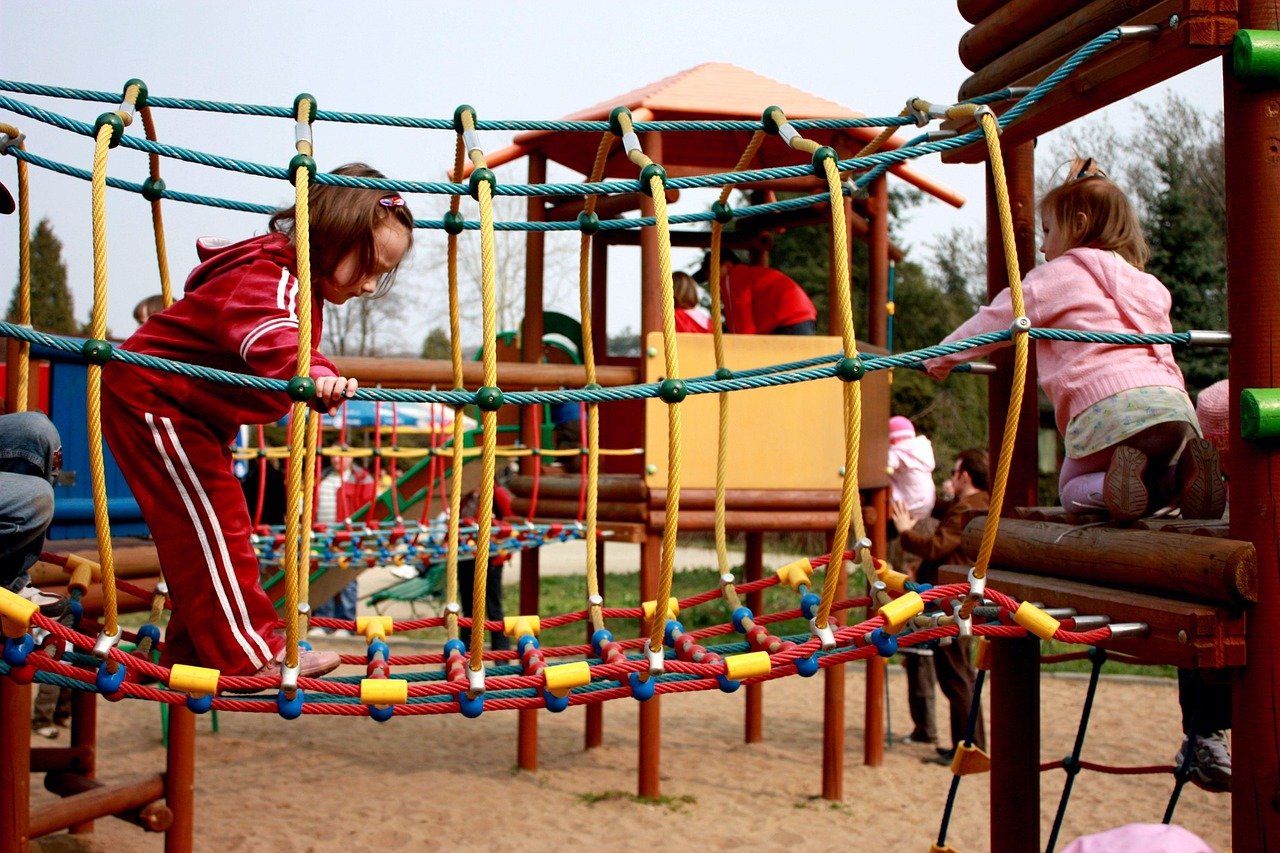
A four-year-old’s job is to play. Not to learn through play. Not to develop skills through play. Just to play. The benefits arrive on their own.
Pediatricians at the American Academy of Pediatrics have spent years pushing back on the idea that early childhood needs to look like school. In their guidance for parents, they note that play improves children’s abilities to plan, organize, get along with others, and regulate emotions, and helps with language and math skills along the way. Most of that happens during the messy, unsupervised stretches when kids are inventing their own games and figuring out the rules as they go.
That kind of play needs space. Big, empty, boring space.
Boredom Is the Catalyst to Imagination
When your preschooler whines that they’re bored, your instinct is to fix it. Suggest something. Pull out a craft. Turn on a show. Try waiting. Five minutes of “I’m bored” is usually how the next hour of imaginative play begins. The cardboard box becomes a spaceship. The couch cushions become a fort. The dog gets dressed up as a dragon.
Boredom is the launchpad for the kind of self-directed play that builds problem-solving and creativity. If you fill every gap with a planned activity, your child never gets to the launchpad.
The same AAP research found that 3- and 4-year-olds anxious about starting preschool were two times more likely to feel less stressed when allowed to play for 15 minutes than peers who listened to a story. Play is how preschoolers calm themselves and process the world. Sometimes it looks like productive learning. Sometimes it looks like nothing at all. Both count.
What “Anchored” Activities Mean
Open summer doesn’t mean unstructured chaos. The trick is anchors, not blocks. An anchor is a single repeating thing in the day that your child can count on. Breakfast at the table. A morning walk. A story before quiet time. The rest of the day flexes around it. Your kid knows roughly what’s coming, but most of the hours stay open.
Compare that to a blocked schedule, where every hour has an activity assigned. The blocked version feels organized to grown-ups. To a preschooler it feels like getting yanked from one thing to the next, with no time to settle into anything.
Anchors give kids the predictability they need without taking away the mental room they require to play. Roxaboxen by Alice McLerran is a beautiful book about a group of children who turn an empty hillside into an entire imaginary town, and it’s a great read for parents who need a reminder of how much kids can do with very little.
How to Pull Back Without Feeling Behind
If you’ve already over-booked summer, it’s not too late to scale back. Cancel one thing. Pick the camp you’re most ambivalent about and just don’t sign up. The week will fill itself. If you’re in the planning phase, try this. Make a list of every summer activity you’re considering. Cross off everything that costs more than you’d happily spend. Then cross off anything that requires waking your child up early. What’s left is your real shortlist. Pick two from it. That’s enough.
Use the saved money on small, repeatable things. A library card. A kiddie pool. A bag of sidewalk chalk. These get more mileage than any single class. The Lonely Beast by Chris Judge is a quiet, lovely book about a creature who decides to leave home and find friends. It fits the slower pace of an unstructured summer afternoon.
Trust That Less Is Working
The hardest part of an open summer is trusting that it’s enough. Other parents will tell you about their kid’s swim level or their daughter’s art class or the gymnastics meet last Saturday. You’ll wonder if your child is missing out. They aren’t. Preschoolers need time, attention, and permission to be small. The adults who love them being calm and present is the developmental boost they’re looking for. Everything else is bonus.
By August, your kid will have invented forty games, ruined three pairs of shoes, and grown out of half their pants. That’s a successful summer. When you’re ready to think about the next school year, find a Creative World School near you and come see how we build inquiry-based learning into the kind of play your child loves most!

Related Articles
-
10 Creative Strategies for Introducing New Foods to Picky Toddlers: Tips and Tricks

-
10 Earth Day Adventures for Preschoolers
-
5 Vinings Spots That Make Summer With a Preschooler Easy

-
7 Fast Yet Nutritious Toddler Breakfasts for Busy Parents

-
Achieving Work-Life Balance with Young Kids: Practical Tips for Busy Parents

Categories
- About Creative World (3)
- All About Water (4)
- Altamonte Springs (1)
- Animal Adventures (4)
- Apollo Beach (6)
- Apopka (4)
- Art (5)
- Avalon (2)
- Avalon Park (5)
- Away We Go (3)
- Back to school (4)
- Belton (4)
- Blogs to Share on Social Media (7)
- Bonita Springs (1)
- Brandon (2)
- Brrr... Cold! (2)
- Buggin' Out (2)
- Build It Up Theme (6)
- CampTastic (3)
- Chesapeake (3)
- Childhood Development (33)
- Children Book Recommendations (14)
- Children Quotes (1)
- Children Songs (1)
- Construction Theme (1)
- Contests (1)
- Creative World Curriculum (4)
- Creative World School (2)
- Crosscreek (4)
- CW Activity (2)
- CW Books (11)
- CW Celebrates (10)
- CW Character Traits (1)
- CW Educational Focus (4)
- CW Spotlight (1)
- Cypress Springs (3)
- Delicious Recipes (2)
- Did You Know? (1)
- Down To Earth (3)
- Early Education (19)
- Education (7)
- Estero (8)
- Fall Activities (10)
- Fall Festival (1)
- Fishhawk (3)
- Food (2)
- Franchise (1)
- Franklin Township (4)
- Friendship Theme (1)
- Fun National Holidays (19)
- Georgetown, TX (3)
- Health & Safety (5)
- In The Sky (2)
- In The Trees (4)
- iSTEAM (5)
- Katy, TX (5)
- Kindergarten (5)
- Land O' Lakes (3)
- Leander, TX (1)
- Lee's Summit (5)
- Liberty (1)
- Literacy (8)
- Loudoun County, VA (2)
- Mealtimes (1)
- Naples (4)
- New Schools (3)
- North Naples (4)
- Oakstead (4)
- Ooey Gooey (1)
- Orlando (5)
- Our Staff Recommends (2)
- Outdoor Activities (14)
- Oviedo (4)
- Parenting (62)
- Parenting Advice (60)
- People We Know (3)
- psychology (1)
- Rivercrest (1)
- Riverview (4)
- RiverWalk (1)
- School Events (3)
- School Readiness (5)
- Sensory Play (2)
- social-emotional (3)
- Space Topic (1)
- Special Events (17)
- St. Cloud (1)
- St. Cloud (5)
- Starkey Ranch (5)
- STEAM (5)
- Summer (3)
- Summer Activities (38)
- Tampa (6)
- That's Me! (2)
- Tips (3)
- To The Grocery Store (2)
- Try this with your kids! (4)
- Tuition (1)
- TX (1)
- UCF (5)
- Uncategorized (72)
- Vinings (2)
- water (1)
- We're SERIOUS about PLAY (2)
- Week of the Young Child (2)
- Wesley Chapel (2)
- Winter Activities (3)