

Keep the Learning Going This Summer (Without Making It Feel Like School)
Creative world school Apr 28, 2026Summer is supposed to be fun. Long days, slow mornings, popsicles before noon. And it absolutely can be all of that. But if your kiddo has been in preschool all year, there’s a real thing that happens when the routine stops cold and the screen time creeps up: the skills they’ve been quietly building start to fade.
It’s called the summer slide, and while most of the research focuses on older kids, it shows up in the preschool years too. Keeping it from happening doesn’t require flashcards or a lesson plan. It mostly just requires staying curious together, and a few small habits that are easier to build than you’d think.
What Summer Learning Loss Actually Looks Like at Preschool Age
For older kids, summer slide usually shows up in reading levels and math scores. For preschoolers, it looks a little different. You might notice your child seems less interested in books after a few weeks at home. They might have a harder time sitting still for a story, or their vocabulary starts to plateau because they’re hearing fewer new words each day. Kids this age build language and thinking skills fast, and a lot of that growth happens through conversation, play, and daily exposure to new ideas.
Research from the American Federation of Teachers shows that students can lose up to two months of learning over the summer, with effects beginning as early as the preschool years. And in a 2024 survey by Progress Learning, only 31% of teachers agreed that students entering their grade level had actually retained what they’d learned the year before. That number tells you something real about what unstructured summers do over time.
None of this means you need to run a summer school at your kitchen table. Even small, consistent habits are enough to keep the momentum going.

Simple Ways to Keep Early Literacy Skills Alive
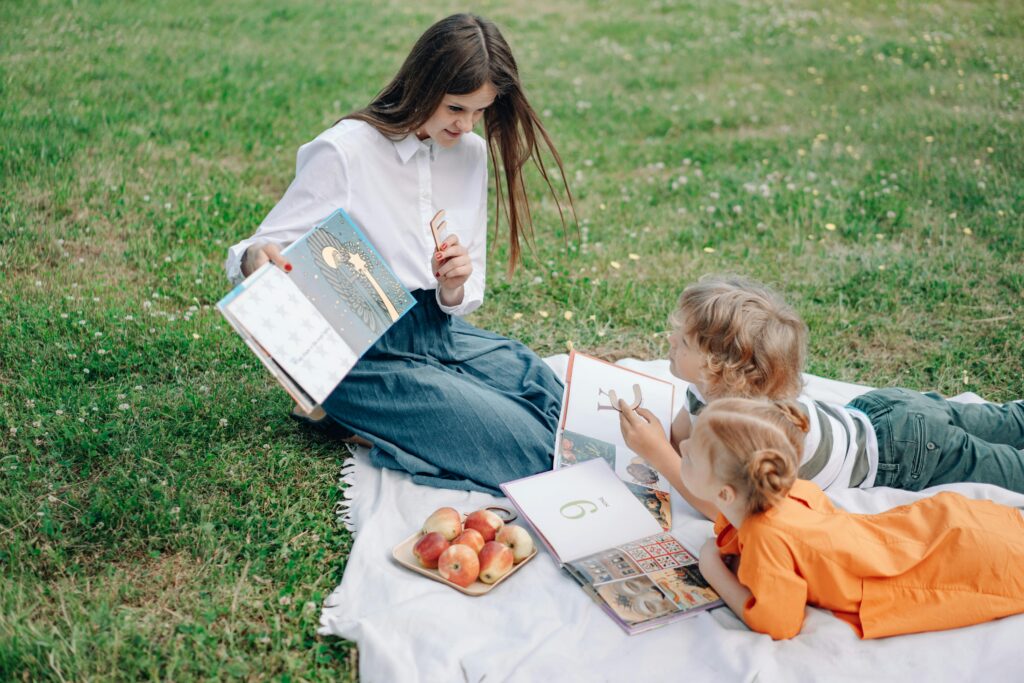
Reading together is the single easiest thing you can do. It doesn’t have to be long, and it doesn’t have to be educational-looking. Ten minutes of a funny picture book before bed counts. Pointing at signs and asking your child what letter they see at the grocery store counts. Letting them “read” a book back to you from memory counts!
The research behind this is pretty striking. A 2019 study published in the Journal of Developmental and Behavioral Pediatrics found that children who are read to five days a week hear roughly 1.4 million more words per year than children who are rarely read to. Over time, that gap adds up in a big way when it comes to vocabulary, reading readiness, and early comprehension.
If your library does a summer reading program, sign up. Most are free, low-pressure, and structured just enough to give kids a small goal to work toward. Our post on encouraging literacy at home for Gen Alpha preschoolers has a few more ideas that fit naturally into a summer routine. The Importance of Being Little by Erika Christakis is also worth a read if you want a bigger picture of how young children actually learn best.

Keeping Curiosity and Thinking Skills Sharp All Summer
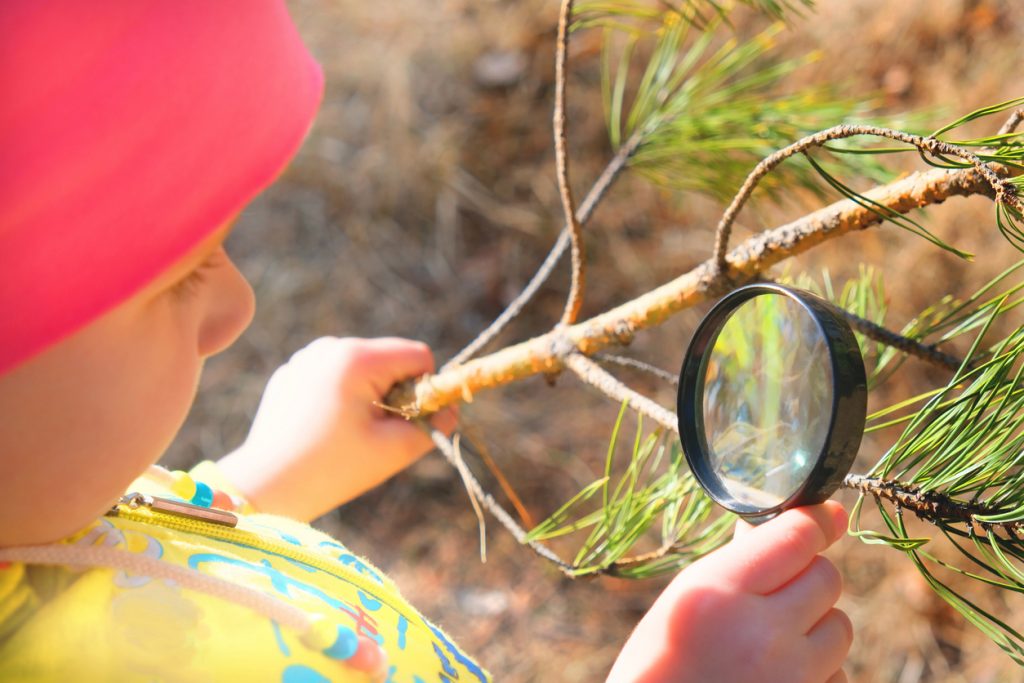
Preschoolers are natural scientists. They ask why constantly, they want to touch everything, and they notice details adults walk right past. Summer is a great season to lean into that, because the outdoors is full of things to investigate. Bugs, clouds, puddles, plants, mud. All of it is learning if you treat it that way.
Try asking open-ended questions when you’re outside together. “Why do you think the puddle got smaller?” or “What do you think is making that sound?” Let them wonder out loud. That kind of thinking, forming a question and chasing an answer, is exactly what our inquiry-based approach builds all year. Our post on why curiosity matters in inquiry-based learning explains why it’s so powerful at this age.
Simple at-home experiments work great too. Mixing baking soda and vinegar, freezing small toys in ice and watching them melt out, planting a seed and checking on it every day. Nothing fancy, nothing expensive. The habit of wondering is what you’re really building.
Why Routine Matters More Than the Activities Themselves
One of the quieter reasons summer slide happens is the loss of structure. Preschoolers do really well when they know what to expect, and a full summer of unscheduled days can make it harder to focus, settle in for activities, or transition smoothly between things. A loose routine, even a very relaxed one, makes a real difference.
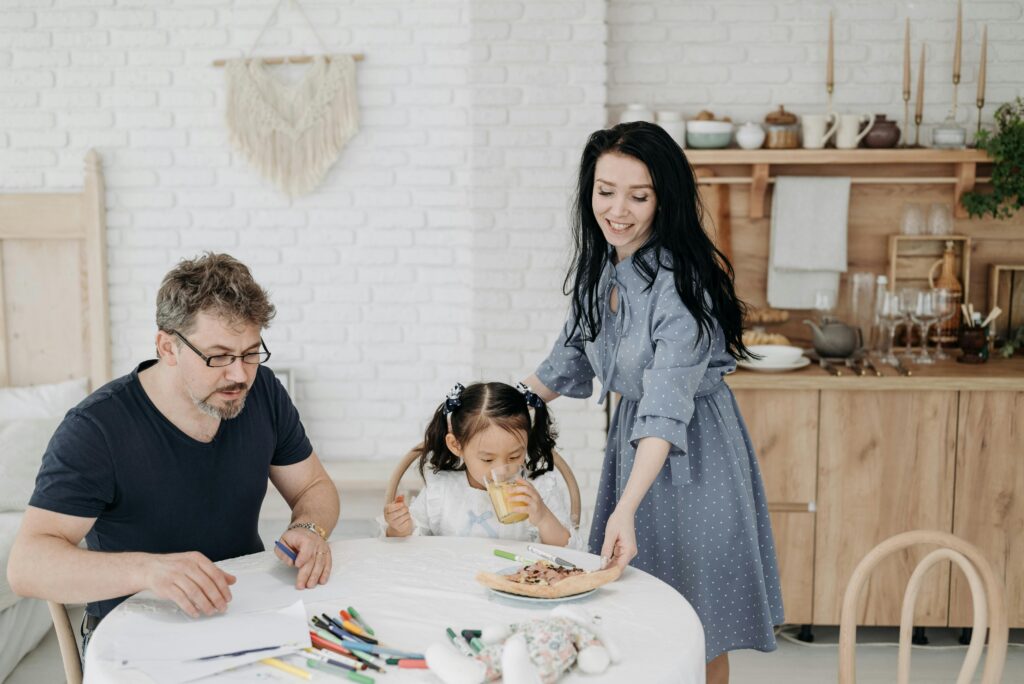
A loose rhythm like morning outside time, a short activity or errand, lunch, quiet time after, and open play in the afternoon gives kids enough predictability to feel grounded. It doesn’t need to be rigid. It just needs to exist. Our post on how to build a consistent routine for preschoolers has a helpful framework if you’d like somewhere to start.
A Summer Program That Does the Heavy Lifting for You
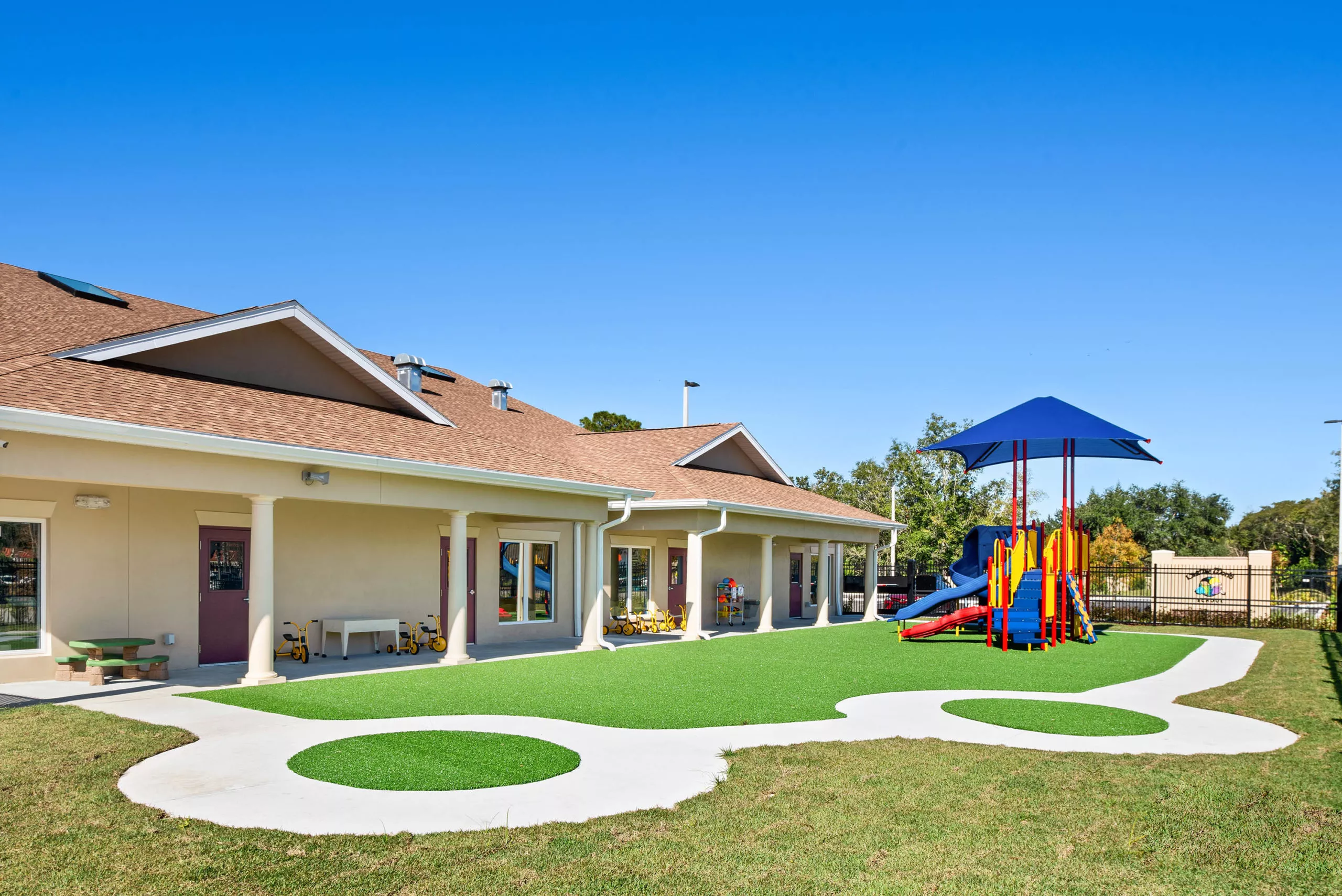
We’ve been building inquiry-based preschool programs for over 50 years, and hands-on learning is at the center of everything we do. Our schools are Cognia-accredited, which fewer than 10% of early education programs in the country can say, and our curriculum is built around the same curiosity-first approach that keeps kids engaged and growing all year long. Summer is no exception.
Our CampTastic program runs all summer with rotating weekly themes like Fizzy Labs, Wonder Island, and Bright Idea. Each week brings new games, crafts, field studies, and hands-on activities that keep kids learning without it ever feeling like school. Spots fill up fast, so if you’re interested, grab a spot early before the summer rush!

Related Articles




Categories
- About Creative World (3)
- All About Water (4)
- Altamonte Springs (1)
- Animal Adventures (4)
- Apollo Beach (6)
- Apopka (4)
- Art (5)
- Avalon (2)
- Avalon Park (5)
- Away We Go (3)
- Back to school (4)
- Belton (4)
- Blogs to Share on Social Media (7)
- Bonita Springs (1)
- Brandon (2)
- Brrr... Cold! (2)
- Buggin' Out (2)
- Build It Up Theme (6)
- CampTastic (3)
- Chesapeake (2)
- Childhood Development (33)
- Children Book Recommendations (13)
- Children Quotes (1)
- Children Songs (1)
- Construction Theme (1)
- Contests (1)
- Creative World Curriculum (4)
- Creative World School (2)
- Crosscreek (4)
- CW Activity (2)
- CW Books (11)
- CW Celebrates (10)
- CW Character Traits (1)
- CW Educational Focus (4)
- CW Spotlight (1)
- Cypress Springs (3)
- Delicious Recipes (2)
- Did You Know? (1)
- Down To Earth (3)
- Early Education (19)
- Education (7)
- Estero (8)
- Fall Activities (3)
- Fall Festival (1)
- Fishhawk (3)
- Food (2)
- Franchise (1)
- Franklin Township (3)
- Friendship Theme (1)
- Fun National Holidays (19)
- Georgetown, TX (2)
- Health & Safety (5)
- In The Sky (2)
- In The Trees (4)
- iSTEAM (1)
- Katy, TX (4)
- Kindergarten (5)
- Land O' Lakes (3)
- Leander, TX (1)
- Lee's Summit (5)
- Liberty (1)
- Literacy (8)
- Loudoun County, VA (1)
- Mealtimes (1)
- Naples (3)
- New Schools (1)
- North Naples (4)
- Oakstead (4)
- Ooey Gooey (1)
- Orlando (5)
- Our Staff Recommends (2)
- Outdoor Activities (13)
- Oviedo (3)
- Parenting (59)
- Parenting Advice (52)
- People We Know (3)
- psychology (1)
- Rivercrest (1)
- Riverview (4)
- RiverWalk (1)
- School Events (3)
- School Readiness (5)
- Sensory Play (2)
- social-emotional (3)
- Space Topic (1)
- Special Events (17)
- St. Cloud (1)
- St. Cloud (5)
- Starkey Ranch (5)
- STEAM (5)
- Summer (3)
- Summer Activities (38)
- Tampa (6)
- That's Me! (2)
- Tips (3)
- To The Grocery Store (2)
- Try this with your kids! (4)
- Tuition (1)
- TX (1)
- UCF (5)
- Uncategorized (74)
- Vinings (2)
- water (1)
- We're SERIOUS about PLAY (2)
- Week of the Young Child (2)
- Wesley Chapel (2)
- Winter Activities (3)