
“Let’s Find Out” Is the Best STEM Answer You Can Give Your Preschooler
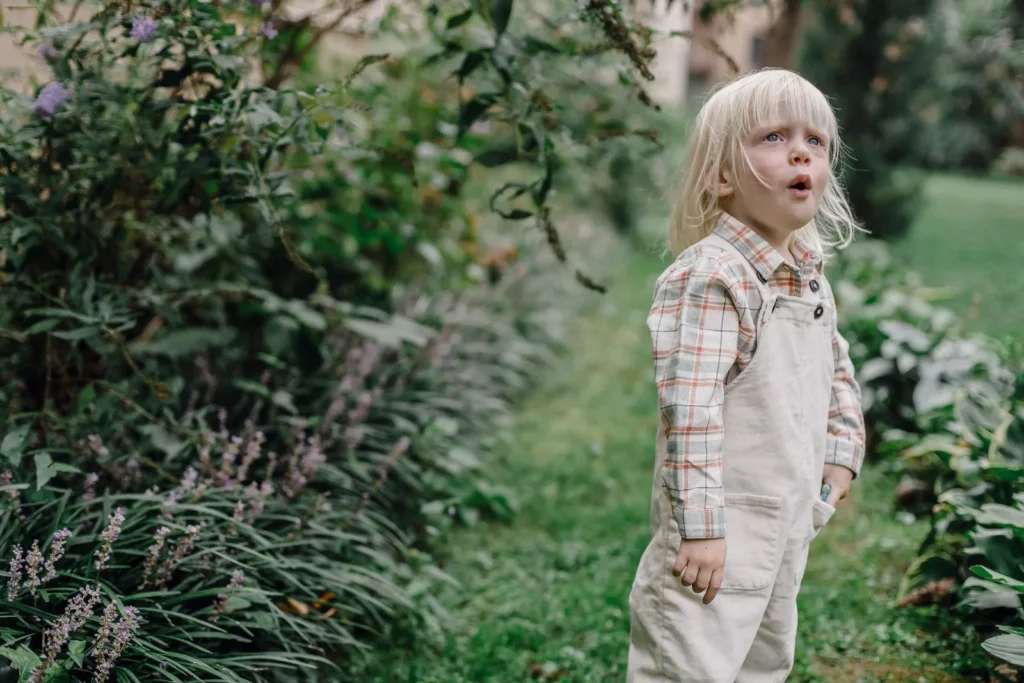
Creative world school Oct 16, 2026“Why is the moon out when it’s still daytime?”
Your kiddo asks it from the back seat and you’ve got about four seconds. You know the moon hangs around up there a lot, but you couldn’t explain the orbit part for a hundred dollars. Maybe somewhere behind that sits a science class that didn’t go well, plus a small worry that your child is already asking for more than you’ve got.
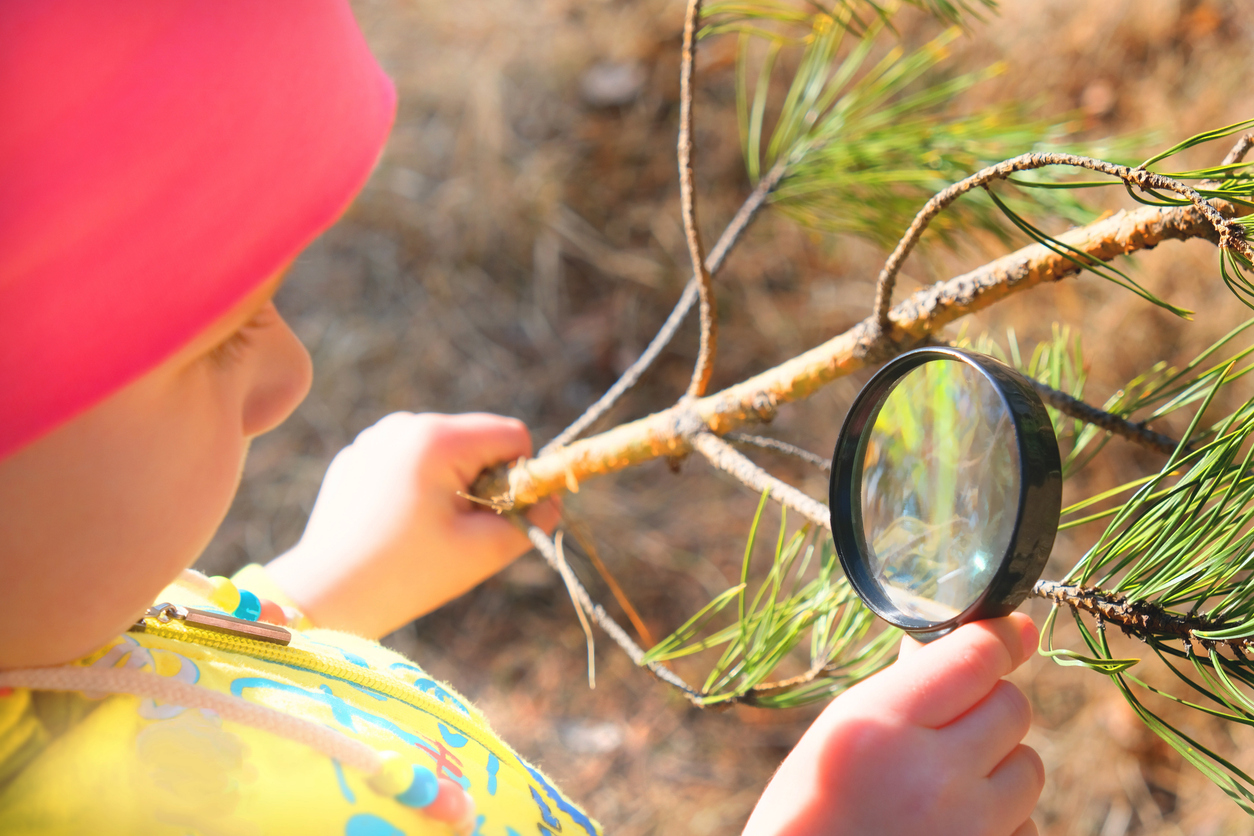
Wondering out loud with your child and then finding out together is real preschool STEM, and you can start on the very first question!
What to Say When Your Preschooler Asks Something You Can’t Answer
“Huh! I have no idea. What do you think?” is a complete answer. So is “Ooh, good one. Let’s find out.” So is “I know a little piece of that. The moon goes all the way around us, and I’m fuzzy on the rest.”
All three keep the conversation going and hand the question back to your child. Handing it back is worth practicing, because a three-year-old with a live question in their head is already thinking hard, and you want that to last a little longer.
The answers that stall a preschooler are the ones that aren’t answers at all. University of Michigan researchers who tracked how 2- to 5-year-olds react to grown-ups’ answers found that kids who get a real explanation seem satisfied and agree or ask a follow-up, while the ones who get a non-answer repeat the question or offer a theory of their own. “Because that’s how it is” belongs in the skip pile. “Let’s find out” keeps the door open, because it promises an explanation and then you go get it together.
If the sheer number of questions is the harder part some days, we’ve written separately about keeping up with all that curiosity without running yourself into the ground.
How “Let’s Find Out” Models Real Science Thinking
A scientist spends most of the day not knowing something yet and then going to find out, with plenty of wrong guesses written down along the way.
Your preschooler can practice that same habit with you at a stoplight, and whatever happened in your high school chemistry class has nothing to do with it.
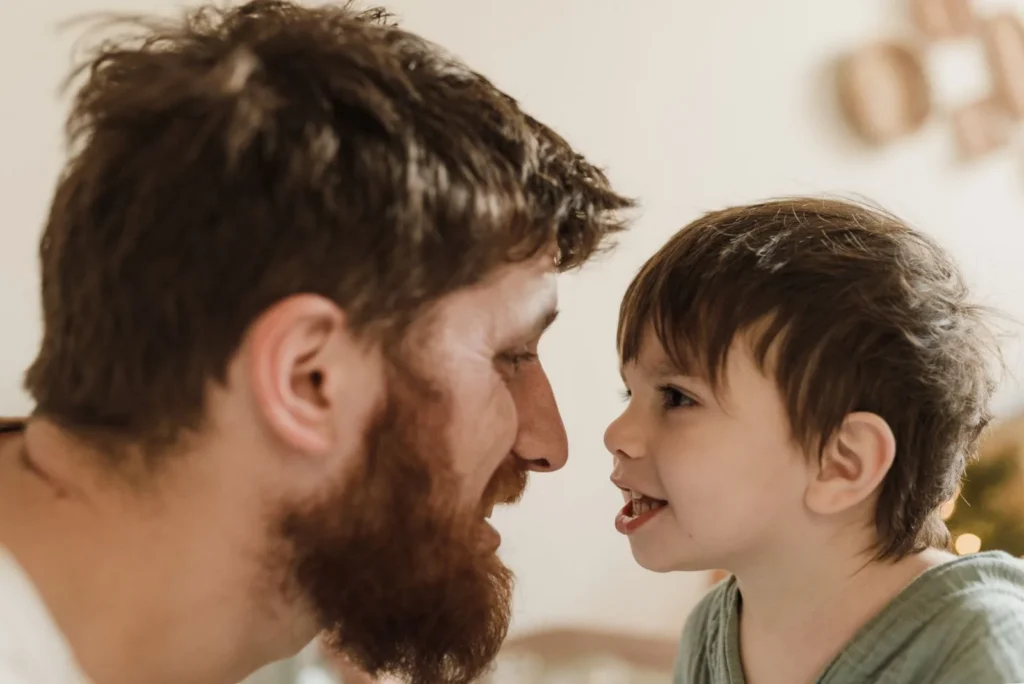
Say the steps out loud. “I think the moon might be up there all the time and we just can’t see it when the sun’s bright. How could we check that?” Then go check, even if checking means looking out the window again tomorrow morning. Your child gets to watch a grown-up have a hunch, test it, and be fine either way.
Stretching a question with a “what would happen if” works the same way, and we’ve got more playful ways to get a preschooler thinking hard if you want a few in your pocket.
Saying “I Don’t Know” Keeps Your Preschooler’s Trust
Bluffing feels kinder in the moment. You’ve got an answer-shaped thing ready to go, your kid looks satisfied, and everybody moves on.
Child development researchers writing in The Conversation describe a study where four-year-olds kept learning from an adult who admitted not knowing the names of a ball, a book, and a cup, and stopped trusting an adult who named the same objects confidently and got them all wrong. Those confident wrong answers cost the second adult so much that the kids wouldn’t even trust her to say where a hidden toy was.
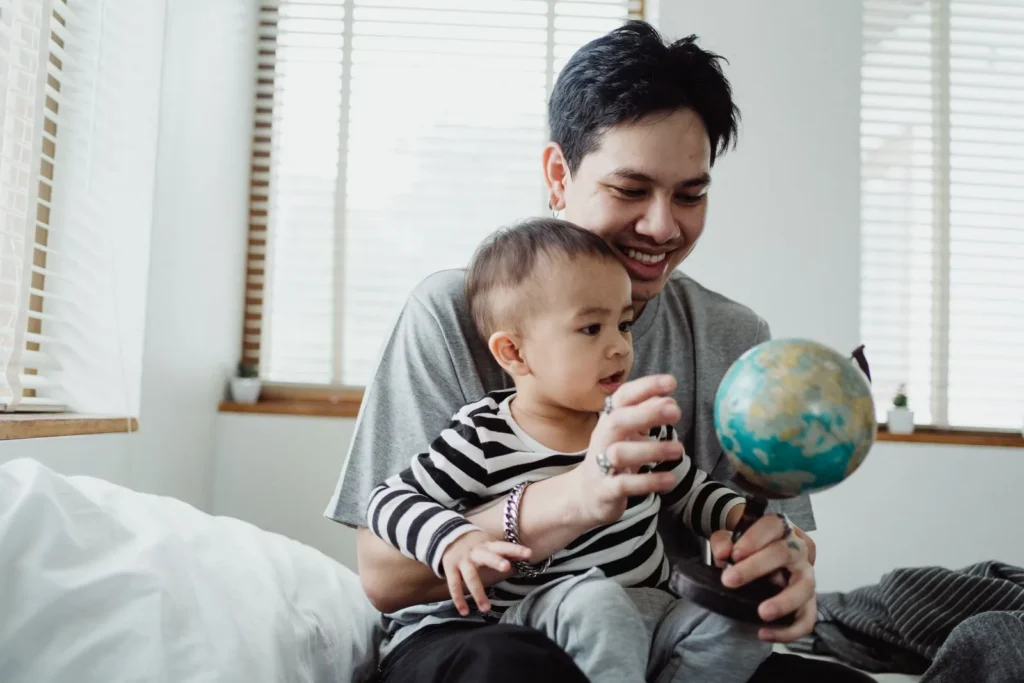
Little kids sort the grown-ups in their life into ones worth asking and ones who make things up. A shrug keeps you in the first pile, and a shrug plus “let’s go look” is how you stay the person who hears the next weird question. That’s a pretty good spot to be in for the next fifteen years!
How to Look Up Answers Together With Your Preschooler
Your child learns the most during the looking-up part, so do it side by side instead of slipping off to check your phone alone.
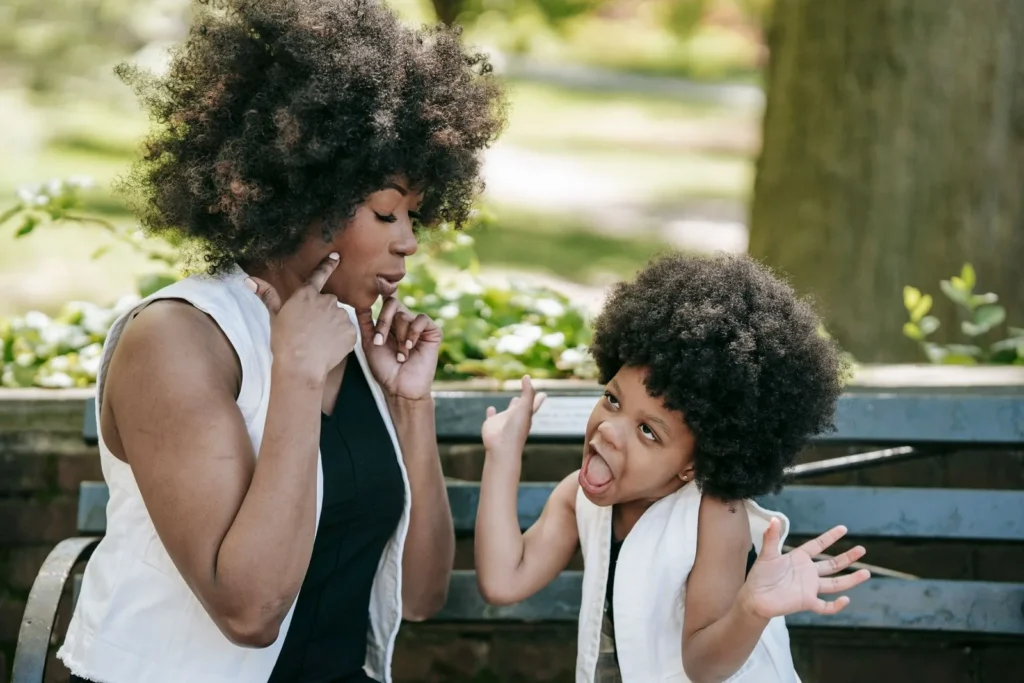
Narrate as you go. “I’m typing moon in the daytime.” “This says it’s about where the moon sits compared to the sun. Want to see the picture?” At the library, let them carry the book to the checkout desk. Then say what you found in plain words, and be ready for the follow-up question, because there’s always a follow-up question!
Some days you’ll come up empty, and that’s a real answer too. “Nobody at our house knows this one. Let’s ask your teacher tomorrow” teaches a preschooler that questions can stay open overnight.
In Why? by Laura Vaccaro Seeger, a little rabbit asks Bear why about everything through the seasons, and patient Bear keeps answering until he reaches a question he can’t answer and says so. One page shows a bird that has died, so preview it first if that’s a tender topic at your house. For grab-and-go ideas on the next rainy afternoon, our simple at-home science play for preschoolers has five that use things you probably already own.
See What Hands-On Preschool STEM Looks Like Every Day
Wondering out loud is a big part of how our teachers run the day at Creative World School. Our Exploratorium™ is the hands-on discovery space where a preschooler’s question gets to lead somewhere, and our iSTEAM work starts from the same place. The lowercase i stands for inquiry, meaning the child’s question comes first, and the science, technology, engineering, art, and math grow out of chasing it down together. Nobody hands your kid the answer before they’ve had the fun of hunting for it.
We’d love for you to see it in person.

Related Articles
-
10 Creative Strategies for Introducing New Foods to Picky Toddlers: Tips and Tricks

-
10 Earth Day Adventures for Preschoolers
-
7 Fast Yet Nutritious Toddler Breakfasts for Busy Parents

-
Achieving Work-Life Balance with Young Kids: Practical Tips for Busy Parents

-
An Unstructured Summer Helps Your Preschooler Grow

Categories
- About Creative World (3)
- All About Water (4)
- Altamonte Springs (1)
- Animal Adventures (4)
- Apollo Beach (6)
- Apopka (4)
- Art (5)
- Avalon (2)
- Avalon Park (5)
- Away We Go (3)
- Back to school (4)
- Belton (4)
- Blogs to Share on Social Media (7)
- Bonita Springs (1)
- Brandon (2)
- Brrr... Cold! (2)
- Buggin' Out (2)
- Build It Up Theme (6)
- CampTastic (3)
- Chesapeake (3)
- Childhood Development (33)
- Children Book Recommendations (14)
- Children Quotes (1)
- Children Songs (1)
- Construction Theme (1)
- Contests (1)
- Creative World Curriculum (4)
- Creative World School (2)
- Crosscreek (4)
- CW Activity (2)
- CW Books (11)
- CW Celebrates (11)
- CW Character Traits (1)
- CW Educational Focus (4)
- CW Spotlight (1)
- Cypress Springs (3)
- Delicious Recipes (2)
- Did You Know? (1)
- Down To Earth (3)
- Early Education (19)
- Education (7)
- Estero (8)
- Fall Activities (12)
- Fall Festival (1)
- Fishhawk (3)
- Food (2)
- Franchise (1)
- Franklin Township (4)
- Friendship Theme (1)
- Fun National Holidays (19)
- Georgetown, TX (3)
- Health & Safety (5)
- In The Sky (2)
- In The Trees (4)
- iSTEAM (6)
- Katy, TX (5)
- Kindergarten (5)
- Land O' Lakes (3)
- Leander, TX (1)
- Lee's Summit (5)
- Liberty (1)
- Literacy (8)
- Loudoun County, VA (2)
- Mealtimes (1)
- Naples (4)
- New Schools (3)
- North Naples (4)
- Oakstead (4)
- Ooey Gooey (1)
- Orlando (5)
- Our Staff Recommends (2)
- Outdoor Activities (14)
- Oviedo (4)
- Parenting (62)
- Parenting Advice (61)
- People We Know (3)
- psychology (1)
- Rivercrest (1)
- Riverview (5)
- RiverWalk (1)
- School Events (3)
- School Readiness (5)
- Sensory Play (2)
- social-emotional (3)
- Space Topic (1)
- Special Events (17)
- St. Cloud (5)
- St. Cloud (2)
- Starkey Ranch (5)
- STEAM (5)
- Summer (3)
- Summer Activities (38)
- Tampa (6)
- That's Me! (2)
- Tips (3)
- To The Grocery Store (2)
- Try this with your kids! (4)
- Tuition (1)
- TX (1)
- UCF (6)
- Uncategorized (72)
- Vinings (2)
- water (1)
- We're SERIOUS about PLAY (2)
- Week of the Young Child (2)
- Wesley Chapel (2)
- Winter Activities (3)