
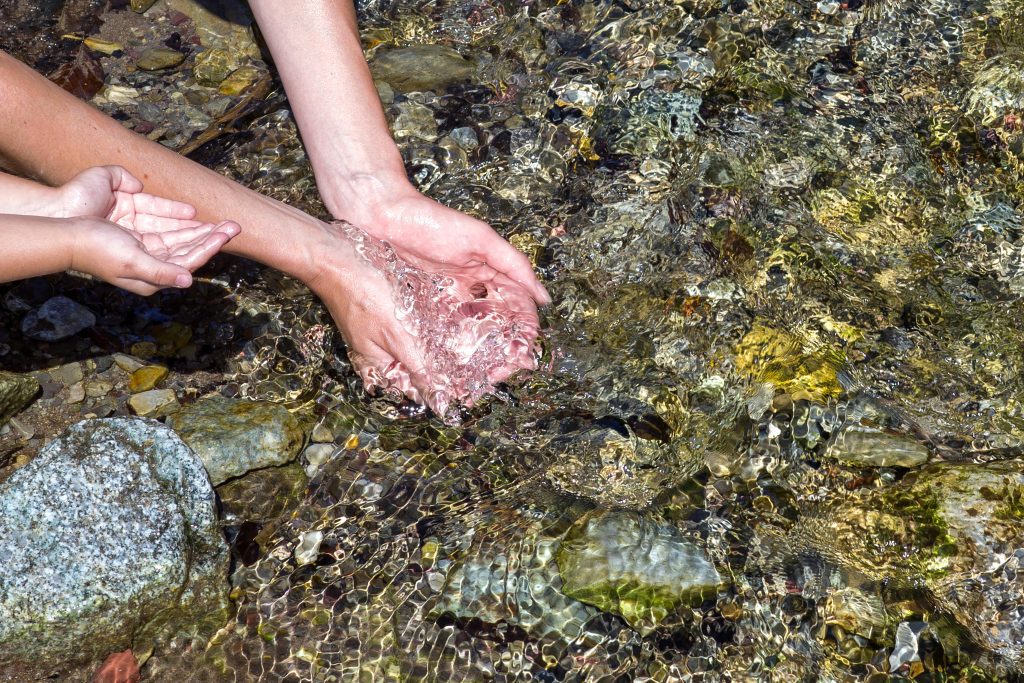
Wesley Chapel’s Natural Water Features in Early Education
Creative world school Jan 23, 2026Your preschooler probably lights up around water. A hose in the yard. A puddle on the sidewalk. A stream trickling through the park. Around Wesley Chapel, those little moments come with a big bonus. The area’s natural springs, wetlands, and underground aquifer create simple, real ways for kids to explore early science and start thinking about conservation.
That curiosity you see when your little one pours water between cups or follows a leaf floating in a ditch? That’s where learning begins. Here’s what it looks like in and around Wesley Chapel.
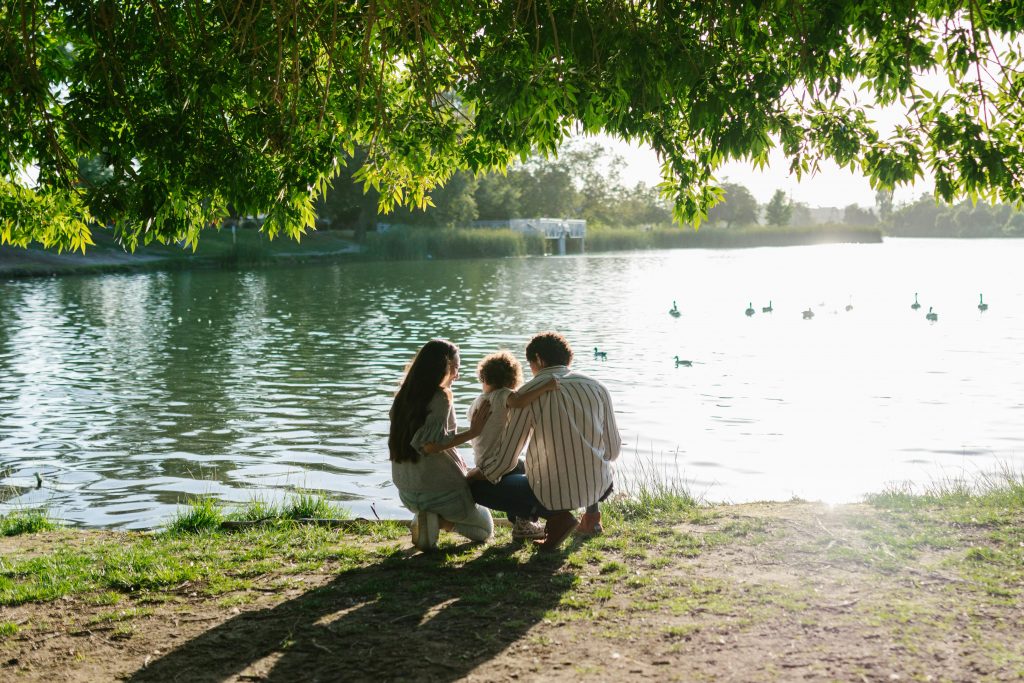
Just east of town, Crystal Springs Preserve sits quietly tucked away from traffic and shopping centers. It’s a freshwater spring where clean water flows straight up from the Floridan Aquifer and feeds into the Hillsborough River. The preserve’s shaded trails, wooden boardwalks, and clear flowing water give young kids the kind of place where big questions start forming.
You might see a fish flicker past, a frog leap into the reeds, or a water strider dance across the surface. A preschooler doesn’t need a formal lesson plan to start making connections. When they toss a pebble and watch the ripples spread, they’re already observing cause and effect. When they watch a stream carry a leaf around a bend, they’re watching a system in motion.
This is also a great spot to introduce a new book before or after your visit. Water is Water by Miranda Paul is a family favorite. The story follows water through different forms—fog, rain, snow, and puddles—and keeps toddlers and preschoolers engaged with its rhythm and rhyme. It’s the kind of book that sticks, and you’ll probably start hearing your little one repeat the phrases next time it rains.
What’s Happening Underneath Wesley Chapel
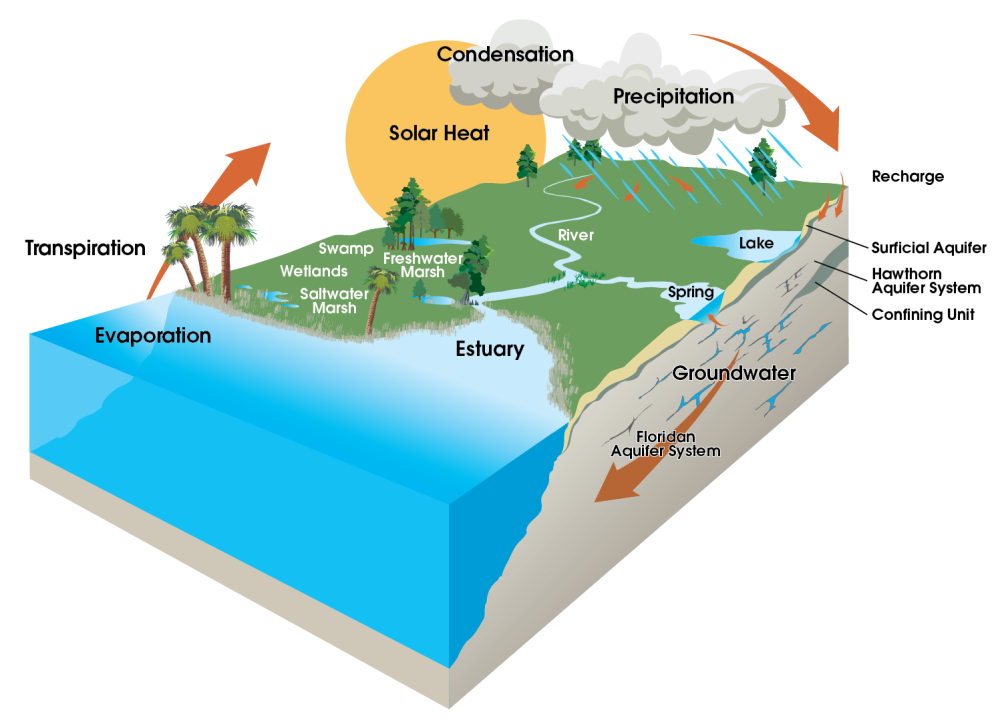
There’s a reason the water at Crystal Springs is so clean and clear. It comes from deep underground. The Floridan Aquifer stretches across most of Florida and holds freshwater in porous limestone. As rain falls, it soaks into the ground, fills this natural sponge, and slowly flows through the rock. In certain places, like Crystal Springs, it pushes up to the surface and becomes part of our visible world again.
Preschoolers understand best by doing. You can make a simple water table at home with a clear bin, some sand and gravel, and a small watering can. Let your child pour and dig. Add little toys or animals and ask them what they see. Watch how the water disappears into the materials and talk about where it might go next.
This is a great way to introduce the idea that water doesn’t just stay where we see it. It moves underground, through the earth, and back up again. When your child starts noticing wet spots in the yard long after a storm or asks why water pools in certain places, they’re starting to recognize these patterns on their own.
Try readingHey, Water!by Antoinette Portis for more inspiration. The book takes the reader through all the ways we experience water, from the sink to the sea. The bright illustrations and simple style keep things fun, while gently building science awareness.
Build Water Habits That Stick
Conservation starts small. It starts when your little one learns to use just enough water to rinse their hands. When they help water a plant and understand it needs the right amount. When they walk through a park and learn to leave things cleaner than they found them.
You can connect these habits back to the springs they’ve seen and the water they’ve played in. If you explain that animals rely on clean water to live, preschoolers understand. If you talk about how storm drains lead to lakes and rivers, they’ll start spotting them on every walk. These simple connections stick.
Follow the Water from Brook to Ocean by Arthur Dorros is a strong follow-up here. It walks children through the journey of water, starting with a small trickle and ending in the sea. The book shows how all these little water sources are connected—and how we’re connected to them too.
Looking for something for your own nightstand? There’s No Such Thing as Bad Weather by Linda Åkeson McGurk is a refreshing read for any parent raising outdoor kids. It reminds you that nature learning doesn’t require perfect weather, perfect clothes, or perfect plans. It’s about showing up and staying open.
How Creative World School Brings It All Together
At Creative World School in Wesley Chapel, water exploration is built into the learning experience. Through outdoor play, water tables, sensory bins, and story-based discovery, kids get regular chances to learn with their whole body and all five senses. Teachers guide activities that support science learning at the preschool level. Kids get to ask questions like “What floats?” or “Why did it spill over?” and find out the answers by experimenting. We use simple tools like cups, buckets, basins, and sponges to help children build their understanding of volume, motion, texture, and flow.
Local topics like Florida’s water systems, seasons, and weather patterns show up in our Exploratorium™ too. When a preschooler asks why it rains or wonders where puddles go, we follow their lead and build those questions into projects and stories. Learning becomes more powerful when it connects back to what a child sees every day. That’s why our Wesley Chapel location leans into natural rhythms, local spots, and hands-on observation.
Come visit our campus and see how we turn natural curiosity into meaningful discovery!

Related Articles


Categories
- About Creative World (3)
- All About Water (4)
- Altamonte Springs (1)
- Animal Adventures (4)
- Apollo Beach (6)
- Apopka (5)
- Art (5)
- Avalon (2)
- Avalon Park (5)
- Away We Go (3)
- Back to school (4)
- Belton (4)
- Blogs to Share on Social Media (7)
- Bonita Springs (1)
- Brandon (2)
- Brrr... Cold! (2)
- Buggin' Out (2)
- Build It Up Theme (6)
- CampTastic (3)
- Chesapeake (3)
- Childhood Development (33)
- Children Book Recommendations (14)
- Children Quotes (1)
- Children Songs (1)
- Construction Theme (1)
- Contests (1)
- Creative World Curriculum (4)
- Creative World School (2)
- Crosscreek (4)
- CW Activity (2)
- CW Books (11)
- CW Celebrates (11)
- CW Character Traits (1)
- CW Educational Focus (4)
- CW Spotlight (1)
- Cypress Springs (3)
- Delicious Recipes (2)
- Did You Know? (1)
- Down To Earth (3)
- Early Education (19)
- Education (7)
- Estero (8)
- Fall Activities (14)
- Fall Festival (1)
- Fishhawk (3)
- Food (2)
- Franchise (1)
- Franklin Township (4)
- Friendship Theme (1)
- Fun National Holidays (19)
- Georgetown, TX (4)
- Health & Safety (5)
- In The Sky (2)
- In The Trees (4)
- iSTEAM (6)
- Katy, TX (5)
- Kindergarten (5)
- Land O' Lakes (3)
- Leander, TX (1)
- Lee's Summit (5)
- Liberty (1)
- Literacy (8)
- Loudoun County, VA (2)
- Mealtimes (1)
- Naples (4)
- New Schools (3)
- North Naples (4)
- Oakstead (4)
- Ooey Gooey (1)
- Orlando (5)
- Our Staff Recommends (2)
- Outdoor Activities (14)
- Oviedo (4)
- Parenting (63)
- Parenting Advice (62)
- People We Know (3)
- psychology (1)
- Rivercrest (1)
- Riverview (5)
- RiverWalk (1)
- School Events (3)
- School Readiness (5)
- Sensory Play (2)
- social-emotional (3)
- Space Topic (1)
- Special Events (17)
- St. Cloud (2)
- St. Cloud (5)
- Starkey Ranch (5)
- STEAM (5)
- Summer (3)
- Summer Activities (38)
- Tampa (6)
- That's Me! (2)
- Tips (3)
- To The Grocery Store (2)
- Try this with your kids! (4)
- Tuition (1)
- TX (1)
- UCF (6)
- Uncategorized (72)
- Vinings (2)
- water (1)
- We're SERIOUS about PLAY (2)
- Week of the Young Child (2)
- Wesley Chapel (2)
- Winter Activities (3)