
The Easiest Kindergarten Prep You Can Do at Home Is Already on Your Shelf
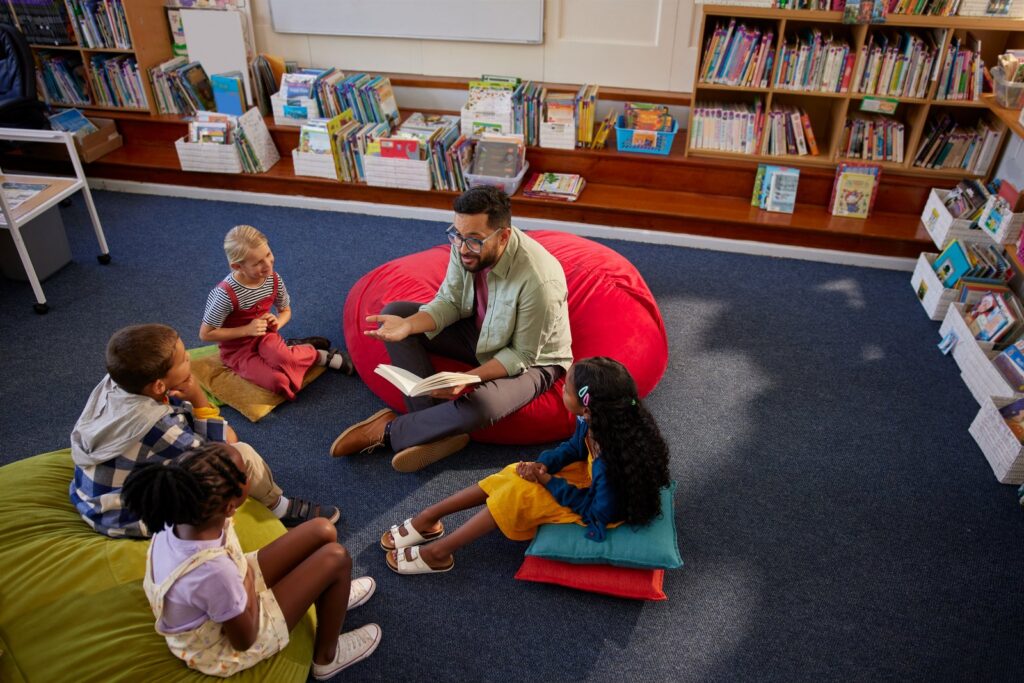
Creative world school May 29, 2026Most parents picture kindergarten prep as flashcards and writing the alphabet. The actual research points somewhere much simpler. Reading to your child all summer, without an agenda, without quizzing them, without an app, is one of the single best things you can do to make their first weeks of kindergarten a total success.
Read-aloud time builds a preschooler’s brain in ways no paid program can match. And summer, when there’s no preschool to lean on, is the season where it matters most.
How Summer Reading Prepares for Kindergarten
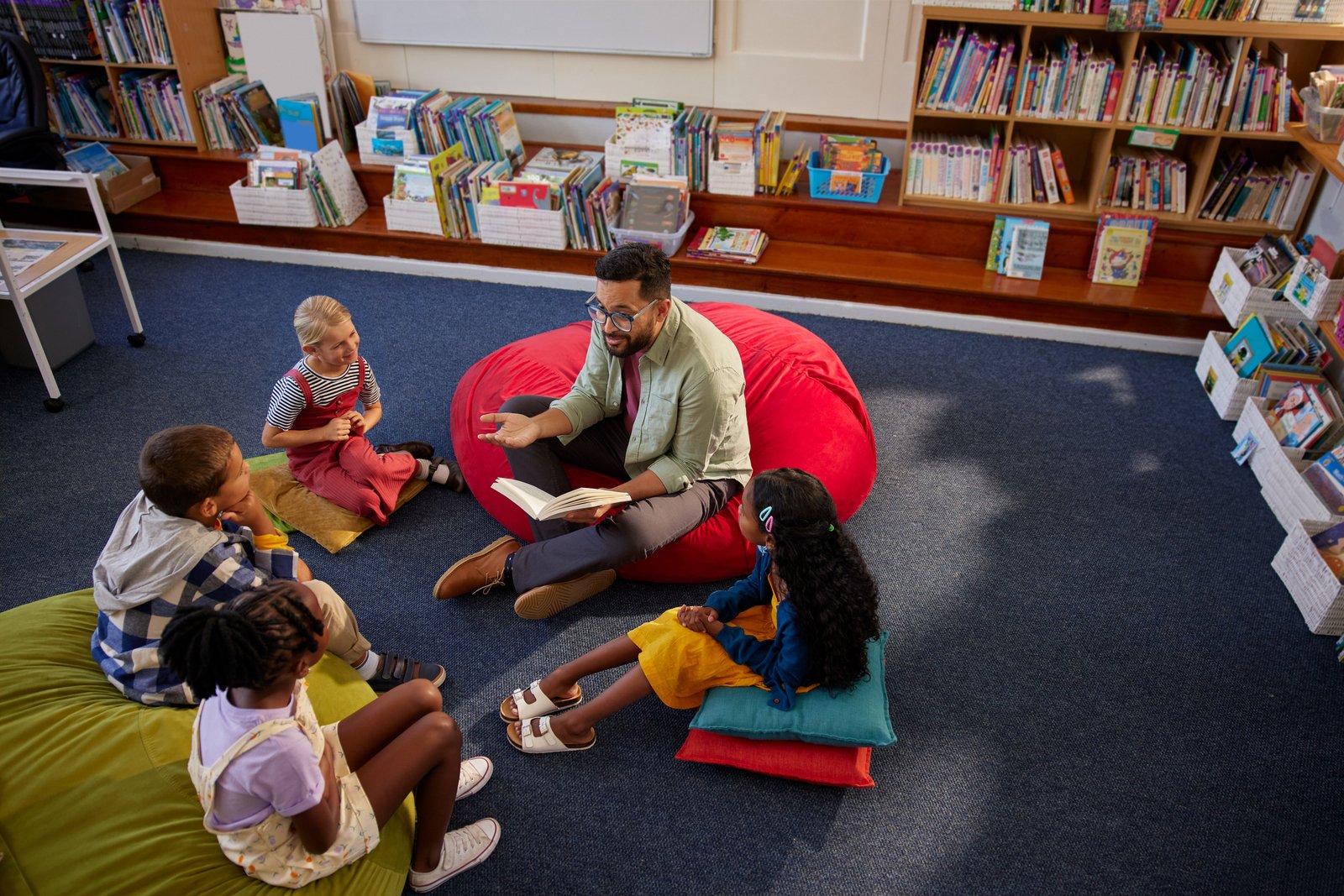
Reading aloud puts thousands more words in your child’s ear than daily conversation ever will. Picture books are full of words that don’t come up at the dinner table. “Branch” and “shadow” and “kettle” and “drift” all show up in a story long before they show up in everyday talk.
It adds up fast. Reading aloud from infancy builds the vocabulary and language skills that predict kindergarten readiness, according to the American Academy of Pediatrics’ 2024 policy on early literacy. Most of those foundations get built at home, long before a child sits in a kindergarten classroom.
The bedtime book and the breakfast story are doing more than you realize.
Avoid the Summer Slide
There’s a phenomenon called “the summer slide”, where school-age kids lose academic ground over the long break. Preschoolers can lose ground too, especially in the language and pre-reading skills that kindergarten relies on. Children who don’t participate in any reading activities during the summer can lose reading skills equivalent to an entire grade level, according to Reading Rockets. For a kid who’s about to start kindergarten, that’s a real disadvantage on day one.
Twenty minutes of reading a day handles it, almost any day, in any form your kid will tolerate. Bedtime, naptime, after lunch, on the porch, in the car (audio counts).

4 Ways to Keep Summer Reading Loose and Fun
1. Build a “summer book stack” by the couch with twenty books from the library. Let your preschooler grab whatever they want, whenever.
2. Read at unexpected times. After breakfast, on a picnic blanket, while waiting for chicken nuggets to cook. Reading doesn’t only happen at bedtime.
3. Re-read favorites without guilt. A preschooler who wants the same book seven nights in a row is doing exactly the right thing. Repetition is how kids absorb language.
4. Let them “read” to you! Hand them the book and ask them to tell you the story from the pictures. They’ll happily mangle it with their wild imaginations and learn a ton in the process.
Use the Library Like It’s Free (Because It Is!)
Public libraries are designed for this exact season. Most run summer reading programs for preschoolers with little prizes and tracking sheets, plus free toddler storytimes that get you out of the house and put a few new books in your child’s hands without a trip to the bookstore.
If you’ve never gotten a library card for your preschooler, start there. Walking in, picking out books, checking them out at a real desk, and bringing them home is itself a meaningful ritual.
Try a “ten library books at a time” rotation. Read what holds their attention, return what doesn’t, swap for new ones every couple of weeks. By August, your preschooler will have heard hundreds of stories instead of a dozen.
A Few Books Worth Grabbing This Summer
A handful of picture books worth grabbing for preschoolers heading to kindergarten.
How Rocket Learned to Read by Tad Hills follows a dog who gets pulled into a story by a little yellow bird, then spends a whole winter spelling out words in the snow. A good pick for a preschooler who’s just starting to notice letters and wonder what they mean.
Wild About Books by Judy Sierra has a librarian accidentally driving her bookmobile into the zoo, where every animal falls in love with reading. The rhyme moves fast, the illustrations are silly, and your kid hears hundreds of new words on the way through.
Last Stop on Market Street by Matt de la Peña moves slower and gives your preschooler time to notice the people on the bus. The grandmother-grandson bus ride opens up the vocabulary of cities, kindness, and noticing the people around you.
And if you want a book for yourself, The Read-Aloud Family by Sarah Mackenzie is a short, practical read on how to make reading-aloud stick at home. It comes with book lists for every age, which is handy when you’re staring at a library shelf with no idea where to start.
Pick the books your kid wants you to read again. Engagement matters more than whether the cover says educational.
A typical day with summer reading folded in might look like a quick story after breakfast, a picture book after lunch, three books at bedtime, maybe an audiobook in the car on the way to a playdate.
By the time September rolls around, your preschooler walks into kindergarten with a vocabulary that’s been growing all summer, an attention span built by sitting through stories, and a comfort level with books that lets them dive into letters and reading without resistance.
At Creative World School, the work you’re doing at home all summer is the same kind of thing our classrooms are built around. Reading aloud, vocabulary, stories, and the talking and listening that grow a preschooler’s language are all part of how our teachers run the day. If you want to see what that looks like inside a real Creative World School classroom, book a tour at a school near you.

Related Articles



Categories
- About Creative World (3)
- All About Water (4)
- Altamonte Springs (1)
- Animal Adventures (4)
- Apollo Beach (6)
- Apopka (4)
- Art (5)
- Avalon (2)
- Avalon Park (5)
- Away We Go (3)
- Back to school (4)
- Belton (4)
- Blogs to Share on Social Media (7)
- Bonita Springs (1)
- Brandon (2)
- Brrr... Cold! (2)
- Buggin' Out (2)
- Build It Up Theme (6)
- CampTastic (3)
- Chesapeake (3)
- Childhood Development (33)
- Children Book Recommendations (14)
- Children Quotes (1)
- Children Songs (1)
- Construction Theme (1)
- Contests (1)
- Creative World Curriculum (4)
- Creative World School (2)
- Crosscreek (4)
- CW Activity (2)
- CW Books (11)
- CW Celebrates (10)
- CW Character Traits (1)
- CW Educational Focus (4)
- CW Spotlight (1)
- Cypress Springs (3)
- Delicious Recipes (2)
- Did You Know? (1)
- Down To Earth (3)
- Early Education (19)
- Education (7)
- Estero (8)
- Fall Activities (10)
- Fall Festival (1)
- Fishhawk (3)
- Food (2)
- Franchise (1)
- Franklin Township (4)
- Friendship Theme (1)
- Fun National Holidays (19)
- Georgetown, TX (3)
- Health & Safety (5)
- In The Sky (2)
- In The Trees (4)
- iSTEAM (5)
- Katy, TX (5)
- Kindergarten (5)
- Land O' Lakes (3)
- Leander, TX (1)
- Lee's Summit (5)
- Liberty (1)
- Literacy (8)
- Loudoun County, VA (2)
- Mealtimes (1)
- Naples (4)
- New Schools (3)
- North Naples (4)
- Oakstead (4)
- Ooey Gooey (1)
- Orlando (5)
- Our Staff Recommends (2)
- Outdoor Activities (14)
- Oviedo (4)
- Parenting (62)
- Parenting Advice (60)
- People We Know (3)
- psychology (1)
- Rivercrest (1)
- Riverview (4)
- RiverWalk (1)
- School Events (3)
- School Readiness (5)
- Sensory Play (2)
- social-emotional (3)
- Space Topic (1)
- Special Events (17)
- St. Cloud (1)
- St. Cloud (5)
- Starkey Ranch (5)
- STEAM (5)
- Summer (3)
- Summer Activities (38)
- Tampa (6)
- That's Me! (2)
- Tips (3)
- To The Grocery Store (2)
- Try this with your kids! (4)
- Tuition (1)
- TX (1)
- UCF (5)
- Uncategorized (72)
- Vinings (2)
- water (1)
- We're SERIOUS about PLAY (2)
- Week of the Young Child (2)
- Wesley Chapel (2)
- Winter Activities (3)