Smart Healthy Habits That Help Preschoolers Miss Fewer Sick Days
Creative world school Feb 12, 2026Cold weather is here, and with it comes more indoor time, more runny noses, and more germs bouncing around classrooms. You already know how quickly one cough can turn into a cold for the whole family. Keeping your preschooler healthy doesn’t mean avoiding every illness. It means creating daily habits that give their immune system a head start and keep classrooms safer for everyone. Preschoolers are busy little explorers. They touch everything, share everything, and don’t always remember to cover a sneeze. That’s part of being three or four years old. But it also means germs can spread fast. The best way to protect your child and their friends is through simple, steady routines they can understand and follow.
Healthy habits at this age are about practice, not perfection. When routines are calm and consistent, your child starts doing them without needing a reminder every time. Here are a few to kickstart this year.
Why Cold Weather Brings More Germs
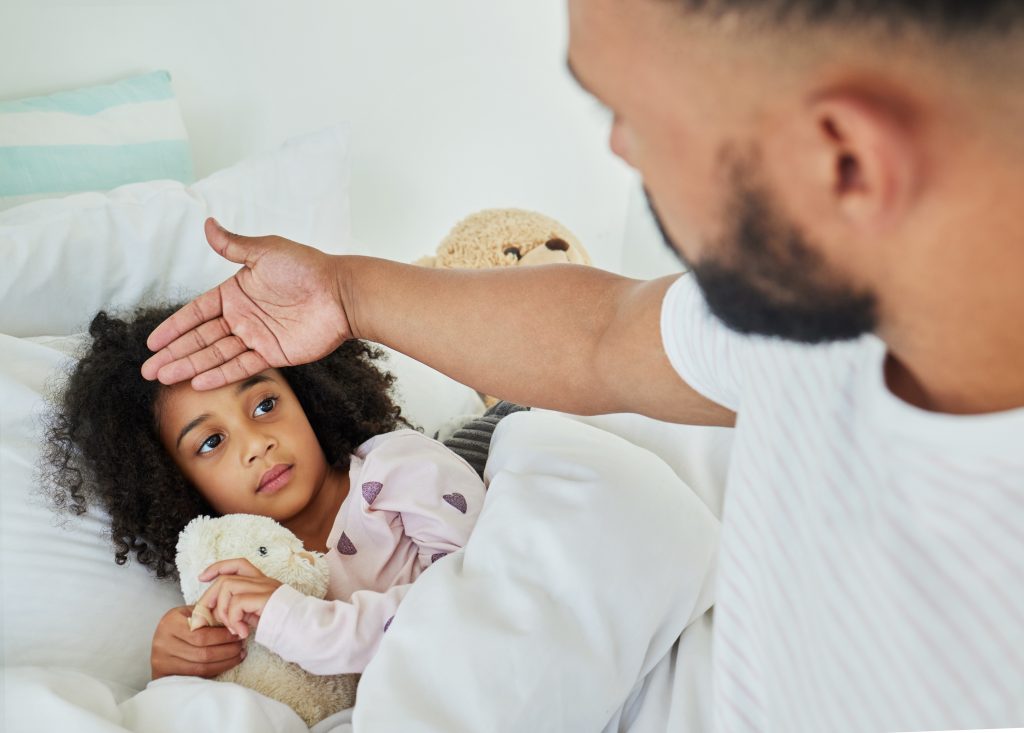
More time inside means more shared air, more surfaces being touched, and more chances for viruses to stick around. Cold weather also dries out nasal passages, which can make it easier to catch a virus. Preschoolers are still building up their immune systems, so they tend to catch more colds than older kids or adults. That’s normal, but there’s still plenty you can do to help.
Routine is key. Teaching your child what to do before they feel sick helps them build habits that stick through the whole season. It also makes it easier for them to bounce back faster if they do catch something.
Handwashing Habits That Stick
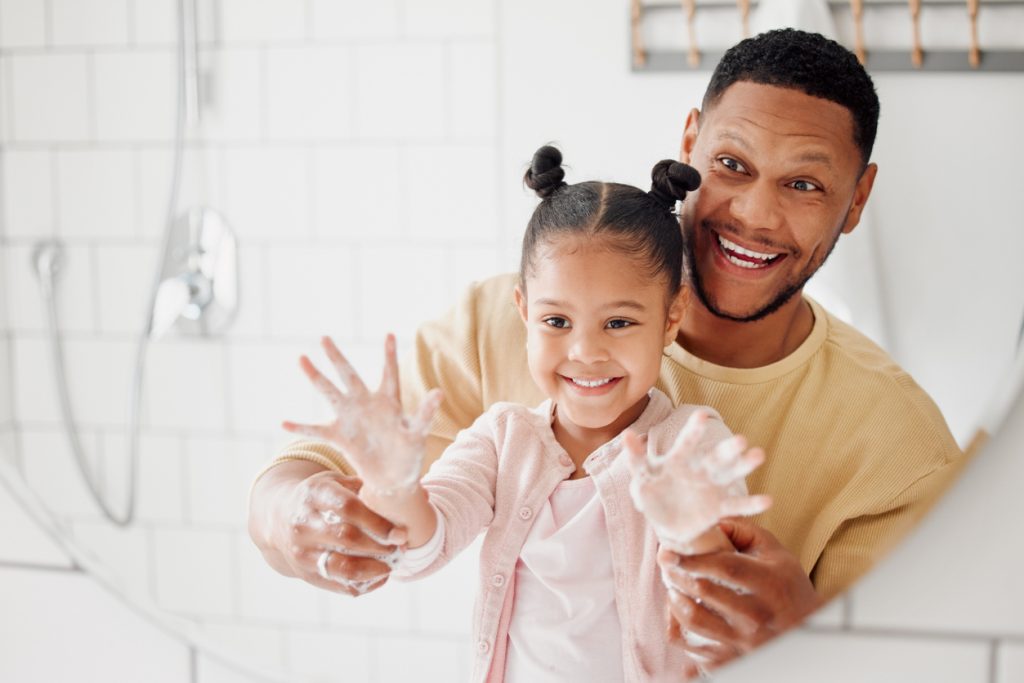
Washing hands well and often is still the best defense against germs. But kids don’t always scrub long enough or remember when to do it. That’s where routine comes in. Build handwashing into your home schedule so it mirrors what they do at school. Make it automatic before meals, after going to the bathroom, after blowing their nose, and when coming back inside. Keep a step stool near the sink and choose a soap that’s easy to pump.
Sing a short song together. Two runs through “Happy Birthday” or one round of the ABCs works well. Kids don’t need to rush, just scrub palms, between fingers, and the backs of their hands before rinsing. When it’s part of everyday life, handwashing becomes something they do without needing to be told. At school, teachers guide handwashing multiple times a day. When kids see that habit reinforced at home, they’re much more likely to stick with it.
Teach Germ Prevention Without Making It Scary
It’s easy to get lost in the weeds trying to explain every detail, but preschoolers don’t need a science lesson to understand how to stay healthy. Using simple phrases like “Germs can make us feel yucky” or “We wash our hands to stay strong” will usually do the trick. Also avoid bringing up medicine, shots, or doctor visits as consequences for getting sick. That kind of talk can make kids panic or feel like they’ve done something wrong. You want them to feel confident and capable, not scared.
Practice covering coughs and sneezes into elbows. It’s a skill like anything else. They’ll need reminders. Make it fun by turning it into a pretend game (“Ah-choo! Catch that sneeze!”) or giving them a silly name for the move (“sneeze shield” or “elbow cough”). The more interactive it is, the faster it can click. Make sure your child knows what’s okay to share and what’s not. Toys, yes. Cups, forks, and tissues, no. Explain why in a calm, matter-of-fact way. “We don’t share water bottles because that can spread germs” is usually all it takes.
Toddler-Friendly Habits That Build Stronger Bodies
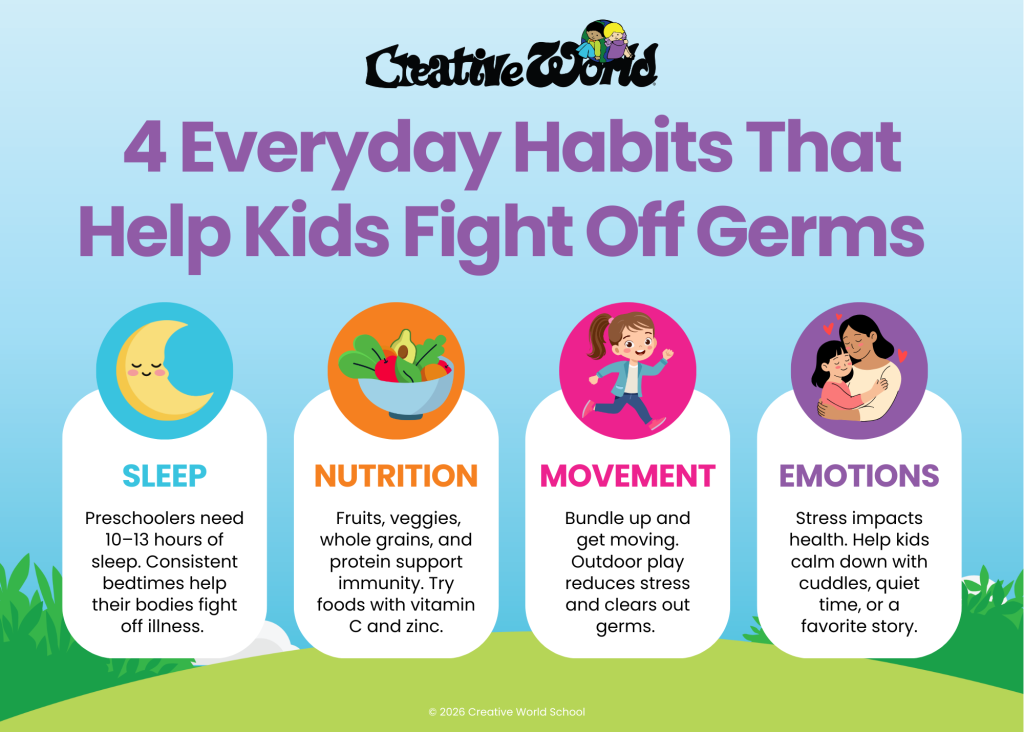
Good hygiene matters, but so does sleep, nutrition, movement, and emotional regulation. They all help your child stay healthier during cold and flu season. Here are four main points you’ll want to focus on:
Sleep: Stick to consistent bedtimes, even during winter break or when days are shorter. According to the Cleveland Clinic, preschoolers need 10 to 13 hours of sleep in a 24-hour period. Without enough sleep, their bodies have a harder time fighting off illness.
Nutrition: Offer meals and healthy snacks with fruits, veggies, whole grains, and proteins. Vitamin C and zinc are helpful for immunity, so foods like oranges, strawberries, eggs, and yogurt are great go-tos. Kids won’t eat perfectly every day, and that’s okay. Keep the conversation about food positive, not pressured.
Movement: Cold weather doesn’t mean the end of playtime. Bundle up and head outside, even if it’s just for a few minutes. Fresh air helps clear out stuffy indoor germs and gives your child space to move. Playing outside also helps reduce stress, which supports their immune system.
Calm: Toddler tantrums and big feelings are normal, but chronic stress can wear down the body. Help your child learn how to calm down with quiet time, cuddles, or a favorite book. Feeling safe and supported helps them stay physically and emotionally strong.
How Preschools Help Prevent the Spread of Illness
Your child’s school should already be taking steps every day to keep classrooms clean and routines healthy. At Creative World School, surfaces are disinfected often. Toys are washed regularly. Teachers help kids wash hands, cover coughs, and stay in tune with how their bodies feel.
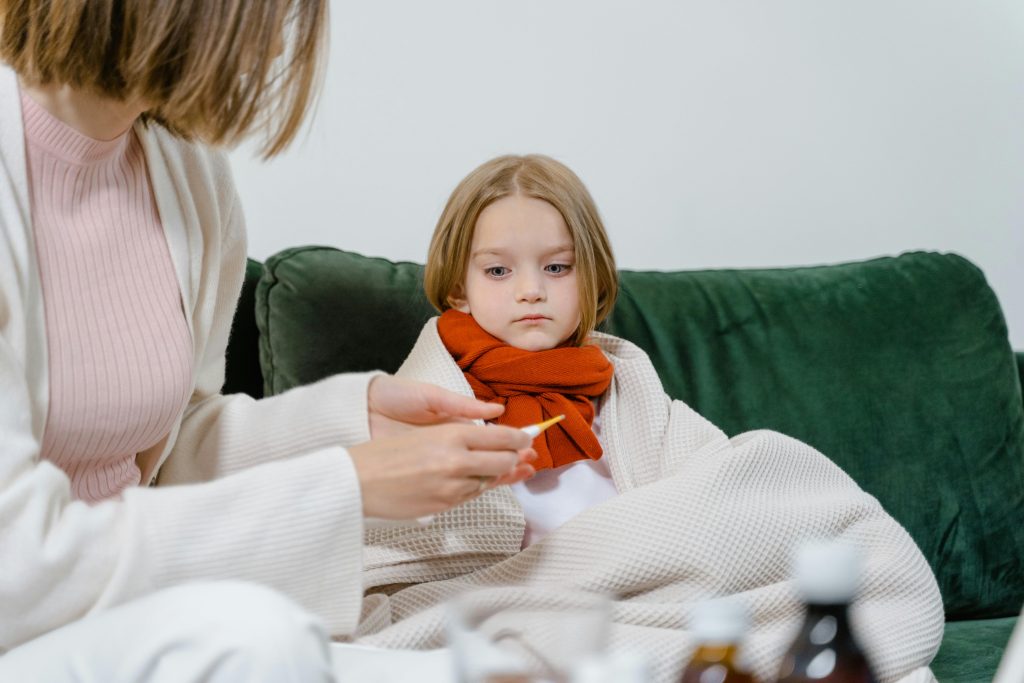
Visual routines in the classroom show kids when to wash hands or grab a tissue. Teachers are always watching for early signs of illness, and you’ll be contacted right away if your child shows symptoms that need attention. One of the most helpful things you can do is keep your child home when they’re sick. If they have a fever, diarrhea, vomiting, or symptoms that aren’t manageable in the classroom, it’s time to rest. Even if they just seem extra tired or off, a day at home can prevent a longer illness for them and others.
How to Help Your Child Feel More in Control
Preschoolers do better when they feel like they have a say. Teach them to check in with their bodies and ask for what they need, whether it’s a tissue, a drink of water, or a break. This builds confidence and helps them take an active role in their health.
Give them small responsibilities that make them feel proud. Let them pick out a tissue box design or choose their hand towel at home. Give them small jobs like turning off the faucet with a paper towel or tossing tissues in the trash. Little responsibilities help them feel in charge and make healthy habits part of their routine. Use visual cues at home too. Charts with pictures of handwashing steps or simple reminders on the fridge to bring a jacket or water bottle can go a long way. These tools help your child feel more prepared and confident.
We Support Healthy Habits at Creative World School
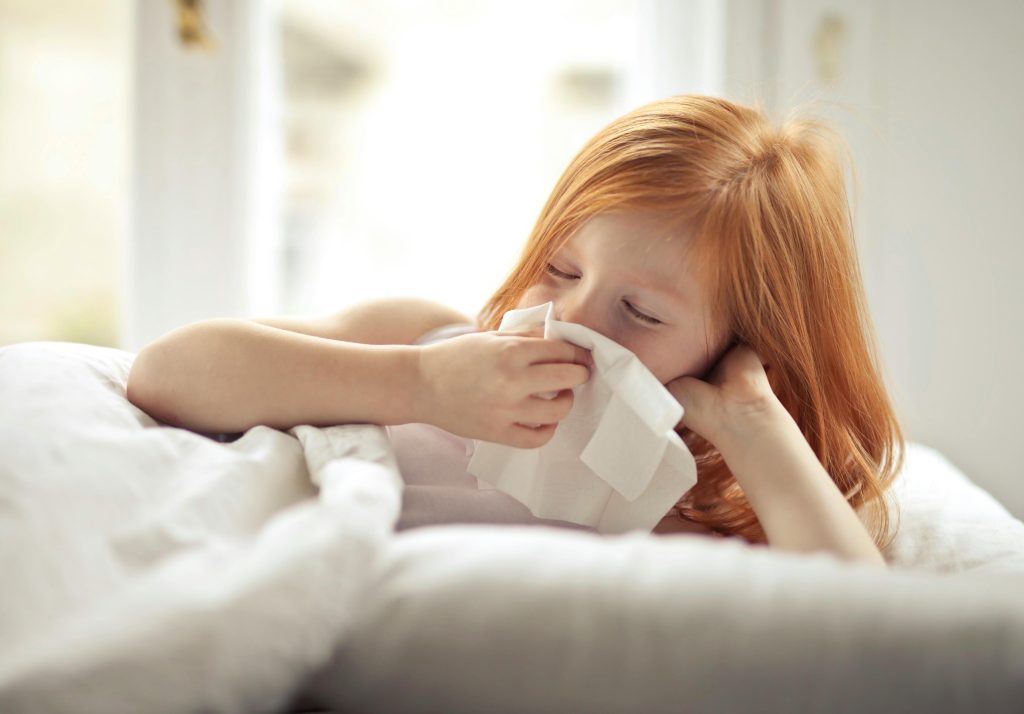
At Creative World School, we build safety and health into everything we do. From morning arrival to afternoon pickup, your child’s day includes clean spaces, structured routines, and hands-on support from teachers who care. Our teams are trained to guide children through hygiene practices without pressure or fear, so these habits feel natural and positive.
We work closely with families to keep communication open. If your child isn’t feeling well, we’ll let you know quickly. If something is going around, you’ll get the heads-up. We believe that staying healthy is something we do together, with routines that start at home and are strengthened at school. When healthy habits are fun, simple and consistent, your child can stay healthier, feel more independent, and keep learning without missing a beat. Want to see how we support health and safety every day? Find your nearest Creative World School and schedule a tour.

Related Articles




Categories
- About Creative World (3)
- All About Water (4)
- Altamonte Springs (1)
- Animal Adventures (4)
- Apollo Beach (6)
- Apopka (5)
- Art (5)
- Avalon (2)
- Avalon Park (5)
- Away We Go (3)
- Back to school (4)
- Belton (4)
- Blogs to Share on Social Media (7)
- Bonita Springs (1)
- Brandon (2)
- Brrr... Cold! (2)
- Buggin' Out (2)
- Build It Up Theme (6)
- CampTastic (3)
- Chesapeake (3)
- Childhood Development (33)
- Children Book Recommendations (14)
- Children Quotes (1)
- Children Songs (1)
- Construction Theme (1)
- Contests (1)
- Creative World Curriculum (4)
- Creative World School (2)
- Crosscreek (4)
- CW Activity (2)
- CW Books (11)
- CW Celebrates (11)
- CW Character Traits (1)
- CW Educational Focus (4)
- CW Spotlight (1)
- Cypress Springs (3)
- Delicious Recipes (2)
- Did You Know? (1)
- Down To Earth (3)
- Early Education (19)
- Education (7)
- Estero (8)
- Fall Activities (14)
- Fall Festival (1)
- Fishhawk (3)
- Food (2)
- Franchise (1)
- Franklin Township (4)
- Friendship Theme (1)
- Fun National Holidays (19)
- Georgetown, TX (4)
- Health & Safety (5)
- In The Sky (2)
- In The Trees (4)
- iSTEAM (6)
- Katy, TX (5)
- Kindergarten (5)
- Land O' Lakes (3)
- Leander, TX (1)
- Lee's Summit (5)
- Liberty (1)
- Literacy (8)
- Loudoun County, VA (2)
- Mealtimes (1)
- Naples (4)
- New Schools (3)
- North Naples (4)
- Oakstead (4)
- Ooey Gooey (1)
- Orlando (5)
- Our Staff Recommends (2)
- Outdoor Activities (14)
- Oviedo (4)
- Parenting (63)
- Parenting Advice (62)
- People We Know (3)
- psychology (1)
- Rivercrest (1)
- Riverview (5)
- RiverWalk (1)
- School Events (3)
- School Readiness (5)
- Sensory Play (2)
- social-emotional (3)
- Space Topic (1)
- Special Events (17)
- St. Cloud (2)
- St. Cloud (5)
- Starkey Ranch (5)
- STEAM (5)
- Summer (3)
- Summer Activities (38)
- Tampa (6)
- That's Me! (2)
- Tips (3)
- To The Grocery Store (2)
- Try this with your kids! (4)
- Tuition (1)
- TX (1)
- UCF (6)
- Uncategorized (72)
- Vinings (2)
- water (1)
- We're SERIOUS about PLAY (2)
- Week of the Young Child (2)
- Wesley Chapel (2)
- Winter Activities (3)