
What the Kindergarten Transition Actually Looks Like for Your Family
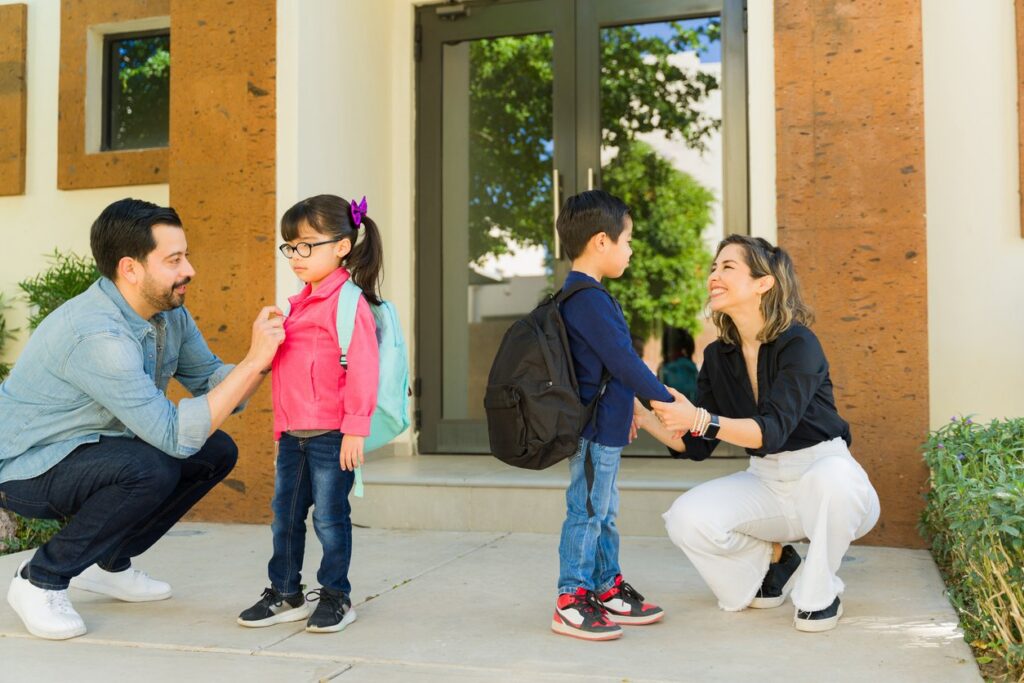
Creative world school Apr 17, 2026Most parents spend the spring before kindergarten focused on the checklist. Can they write their name? Do they know their numbers? Are they managing socially? Those things matter. But the part that catches families off guard is what happens after the first day. The move to kindergarten unfolds over weeks, and the more you understand going in, the smoother it tends to go for both of you.
Kindergarten is a real structural shift from preschool. The days are longer, the expectations are different, and the social environment gets more complicated. That’s useful information to have before you’re standing in the middle of it wondering if something went wrong.
How Kindergarten Feels Different from Preschool
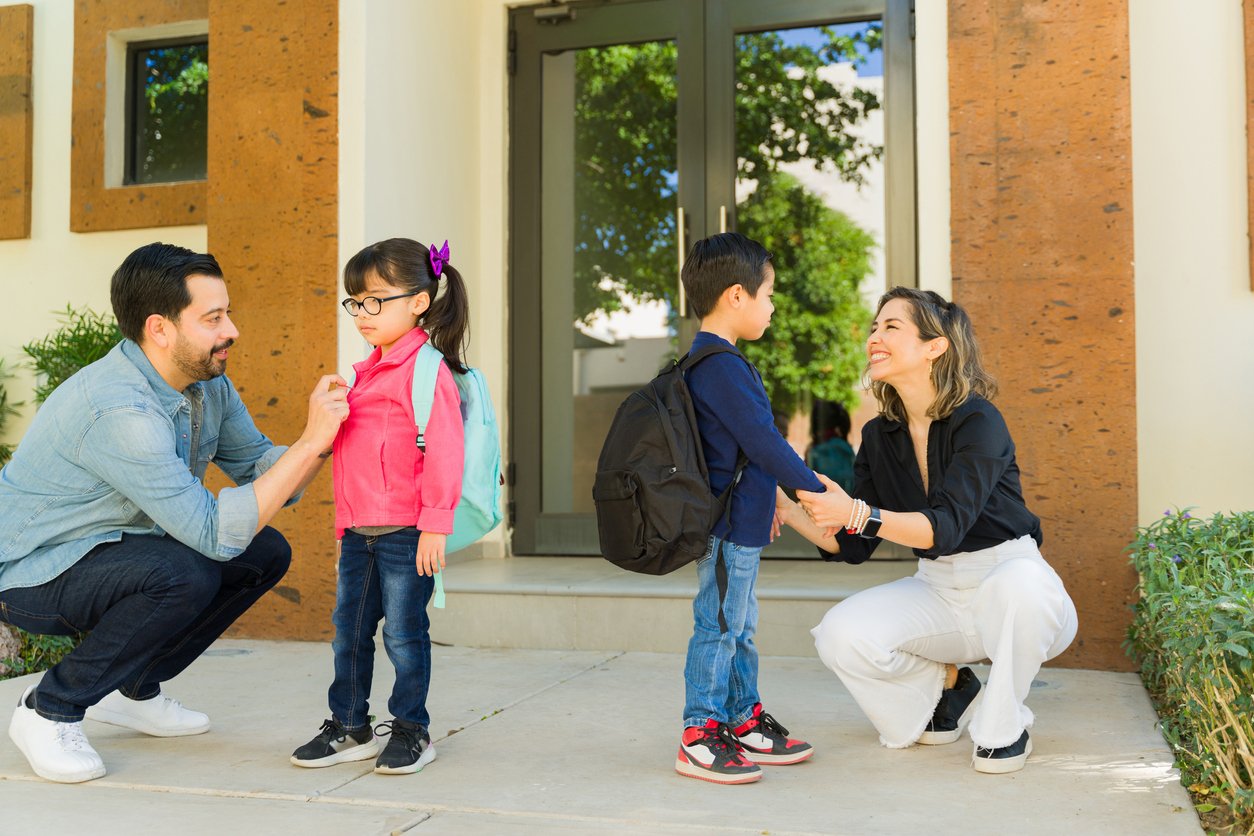
Preschool runs on exploration. A good preschool day moves between activities, open-ended projects, outdoor time, and a lot of latitude for kids to follow their own curiosity. Kindergarten asks for more sustained attention, more structured tasks, and longer stretches sitting in one place. That shift is real, and it takes most kids a few weeks to find their footing in the new rhythm.
The social dimension changes considerably too. Kindergarten classrooms are typically larger, peer dynamics get more layered, and kids are expected to navigate friendships and conflicts with more independence than preschool required. Teachers are managing more children and can’t scaffold every interaction the way preschool teachers often can. Managing Separation Anxiety When Starting Preschool covers the emotional patterns that tend to resurface during major school transitions, even for kids who sailed through preschool dropoff without a second look.
The First Weeks Have a Wide Range of Normal
Did you know over 70% of children struggle with transitioning into kindergarten? The adjustment period for kindergarten is usually four to six weeks. In that window, you can expect your child to swing between proud excitement and genuine exhaustion, sometimes in the same afternoon. Some kids do great at school and fall apart at home. Others hold it together at home and struggle at pickup. Both are normal responses to a new and demanding environment.
Regression is common and worth expecting. Kids who’d been dressing themselves, managing their own belongings, and sleeping through the night sometimes need more help again during this stretch. That’s the emotional and neurological system working under a new load, not a sign that something went wrong. Preschool Milestones Parents Should Know has a useful breakdown of what development looks like at this stage and what it looks like when kids are under stress.
Give it real time before drawing any conclusions about fit or readiness. The first three weeks don’t tell you much. The sixth week starts to.

What Helps Before the First Day
Environmental familiarity and emotional readiness do more for kindergarten preparation than any drilling will. Visit the school before it starts if they’ll let you. Walk the hallways. Find the bathroom. Locate the cafeteria. When kids can picture what a space looks like, it becomes slightly less unknown, and slightly less unknown is often enough to take the edge off.
Talk about what kindergarten will be like in specific, concrete terms. Not “it’ll be so fun!” but “your classroom will have cubbies where you hang your backpack, and every morning the class does a meeting together on the rug.” Specifics settle anxiety better than enthusiasm. Kids can hold onto a concrete detail. They can’t hold onto excitement.
Reading together helps. Wemberly Worried by Kevin Henkes is exactly right for this window. It’s about a mouse who worries about everything, especially the first day of school, and it handles the emotion exactly the way you’d want. Acknowledgment rather than reassurance, not a cheerful “it’ll be fine.” Read it more than once if your child asks. They usually do, and each read tends to open a different conversation.
Staying Connected Once School Starts
Once kindergarten begins, your role shifts from preparer to connector. Short conversations at pickup do more work than asking “how was your day?” which usually returns “fine” and then nothing. Try “what made you laugh today?” or “who did you sit next to at lunch?” Specific questions tend to open specific answers, and specific answers give you actual information about how the adjustment is going.
Stay in touch with the teacher through the first month. Most kindergarten teachers expect it and welcome it. They’re watching for the same adjustment patterns you are, and sharing observations early is more useful than waiting to see if something resolves on its own. A partnership between parent and teacher in the first six weeks makes a meaningful difference in how quickly kids settle.

At Creative World School, we build the foundational skills that make this shift smoother for kids and families alike. When you’re looking for a preschool that prepares your child for kindergarten and everything after, find one of our schools near you and schedule a tour!

Related Articles
-
A Summer Reading Stack That Sets Your Future Kindergartener Up to Win

-
How to See Past the Inquiry-Based Learning Buzzword on Your Next Preschool Tour

-
Kindergarten Confidence Starts at Creative World School
-
Kindergarten Is Coming. Here’s What Readiness Actually Looks Like.

-
Launch Pad: Kindergarten Readiness This Summer!

Categories
- About Creative World (3)
- All About Water (4)
- Altamonte Springs (1)
- Animal Adventures (4)
- Apollo Beach (6)
- Apopka (4)
- Art (5)
- Avalon (2)
- Avalon Park (5)
- Away We Go (3)
- Back to school (4)
- Belton (4)
- Blogs to Share on Social Media (7)
- Bonita Springs (1)
- Brandon (2)
- Brrr... Cold! (2)
- Buggin' Out (2)
- Build It Up Theme (6)
- CampTastic (3)
- Chesapeake (3)
- Childhood Development (33)
- Children Book Recommendations (14)
- Children Quotes (1)
- Children Songs (1)
- Construction Theme (1)
- Contests (1)
- Creative World Curriculum (4)
- Creative World School (2)
- Crosscreek (4)
- CW Activity (2)
- CW Books (11)
- CW Celebrates (10)
- CW Character Traits (1)
- CW Educational Focus (4)
- CW Spotlight (1)
- Cypress Springs (3)
- Delicious Recipes (2)
- Did You Know? (1)
- Down To Earth (3)
- Early Education (19)
- Education (7)
- Estero (8)
- Fall Activities (10)
- Fall Festival (1)
- Fishhawk (3)
- Food (2)
- Franchise (1)
- Franklin Township (4)
- Friendship Theme (1)
- Fun National Holidays (19)
- Georgetown, TX (3)
- Health & Safety (5)
- In The Sky (2)
- In The Trees (4)
- iSTEAM (5)
- Katy, TX (5)
- Kindergarten (5)
- Land O' Lakes (3)
- Leander, TX (1)
- Lee's Summit (5)
- Liberty (1)
- Literacy (8)
- Loudoun County, VA (2)
- Mealtimes (1)
- Naples (4)
- New Schools (3)
- North Naples (4)
- Oakstead (4)
- Ooey Gooey (1)
- Orlando (5)
- Our Staff Recommends (2)
- Outdoor Activities (14)
- Oviedo (4)
- Parenting (62)
- Parenting Advice (60)
- People We Know (3)
- psychology (1)
- Rivercrest (1)
- Riverview (4)
- RiverWalk (1)
- School Events (3)
- School Readiness (5)
- Sensory Play (2)
- social-emotional (3)
- Space Topic (1)
- Special Events (17)
- St. Cloud (1)
- St. Cloud (5)
- Starkey Ranch (5)
- STEAM (5)
- Summer (3)
- Summer Activities (38)
- Tampa (6)
- That's Me! (2)
- Tips (3)
- To The Grocery Store (2)
- Try this with your kids! (4)
- Tuition (1)
- TX (1)
- UCF (5)
- Uncategorized (72)
- Vinings (2)
- water (1)
- We're SERIOUS about PLAY (2)
- Week of the Young Child (2)
- Wesley Chapel (2)
- Winter Activities (3)