Bridging the Chesapeake Bay: Teaching Children About Regional Connections
Creative world school Dec 24, 2025The Chesapeake Bay Bridge Tunnel has a way of grabbing a child’s attention before you even realize it. One moment you’re cruising over open water, and the next you’re dipping into a tunnel with ships passing right above your head. Preschoolers love watching the light change, spotting boats, and asking all kinds of big questions. Those curious moments are the perfect chance to teach your child about engineering, transportation, and life in Hampton Roads, all in a fun and natural way.
Families in Chesapeake don’t need complicated lessons to help their children understand the world around them. Everyday drives, simple conversations, and quick stops to look at the water can turn into easy learning moments. When children connect real places to real ideas, the whole region starts to make sense to them.
Exploring the Bridge Tunnel as an Early Engineering Wonder
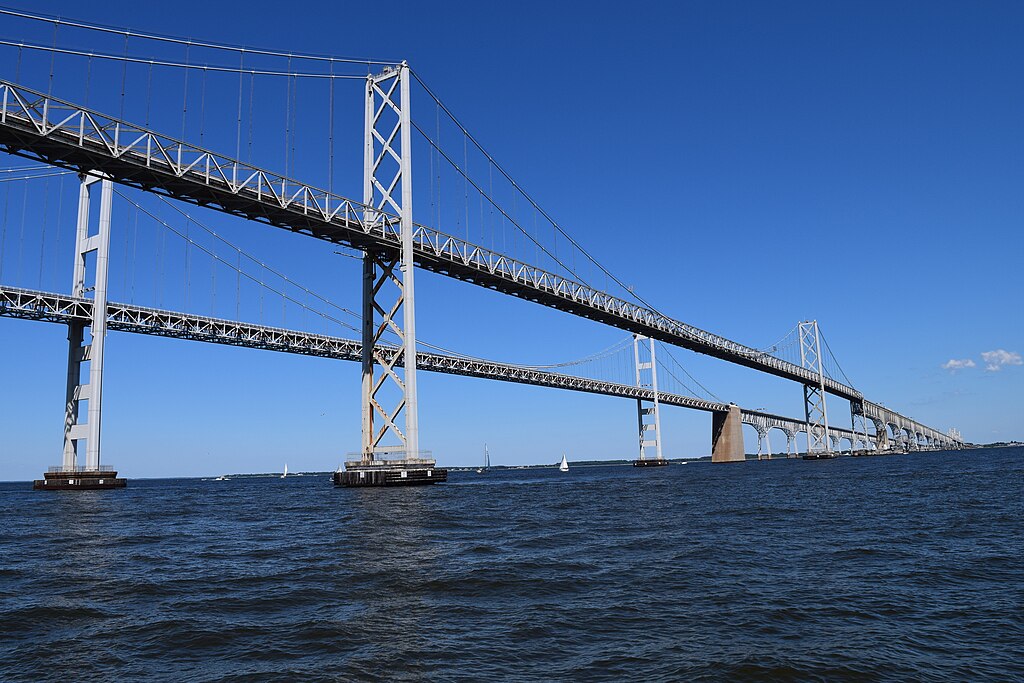
Kids notice every little detail when you cross the Chesapeake Bay Bridge Tunnel. They look at the tall supports, the long stretches of roadway, and the big open views. When the road dips into the tunnel, they sit a little straighter, wondering how everything fits together. You can make the ride even more meaningful by saying things like, “A lot of engineers worked together to design this so cars can cross the Bay,” or, “The tunnels help ships move safely above us.” These small comments help children see engineering as something people create to solve real problems.
The Chesapeake Bay Bridge-Tunnel offers educational information online, including maps, construction facts, and simple diagrams. These kid-friendly visuals can add excitement before your next trip across. Children love spotting things in real life after they’ve seen them in pictures.
At home, you can build on this interest with block play. When kids stack blocks to make a bridge or create a “road” across the couch cushions, they’re practicing balance, structure, and planning. A lovely picture book that fits perfectly with this theme is Twenty-One Elephants and Still Standing by April Jones Prince. The story shows how people tested the Brooklyn Bridge long ago and invites children to imagine how strong, creative designs help a whole community.
Understanding Chesapeake’s Place in Hampton Roads
Chesapeake is part of a lively group of connected cities. Preschoolers start noticing this when they see the same road signs, the same bridges, and the same bodies of water during regular trips. When you talk through these familiar routes, your child begins to understand that each city has a place on the map and that they all link together.
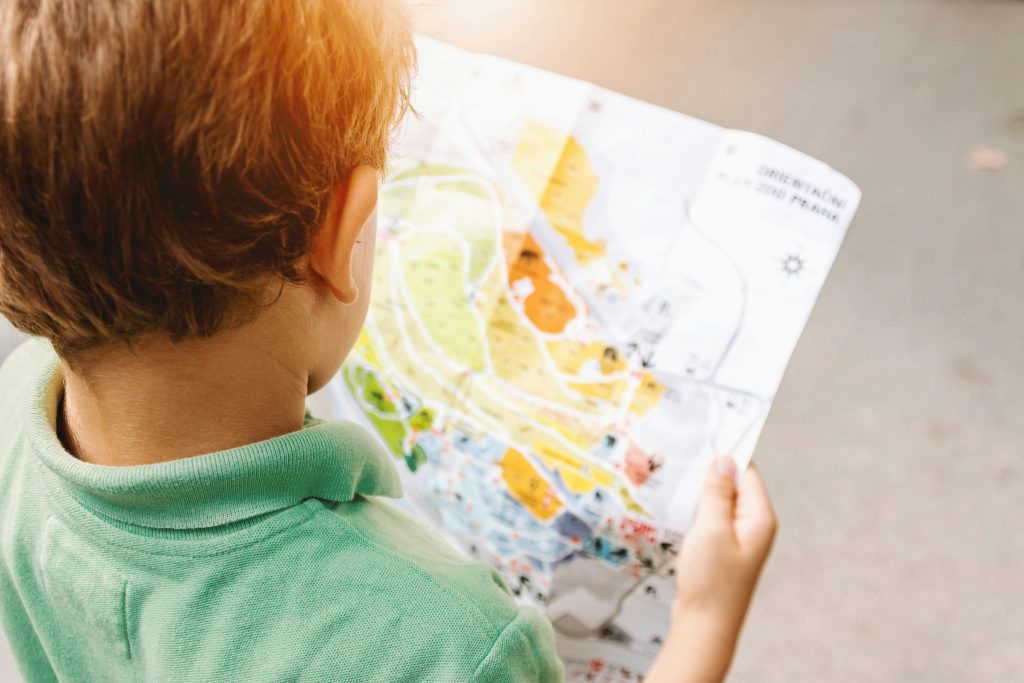
You can say things like, “We’re heading toward Norfolk now,” or, “This bridge helps people travel between cities.” These simple comments help children build a mental map of their world. If your child enjoys maps, the Hampton Roads Transportation Planning Organization has clear visuals that show how roads, tunnels, and waterways connect across the region. Tracing a finger along the blue water or the long highways can turn geography into a fun family activity.
Using Transportation to Build Community Awareness
The traffic around Hampton Roads gives children plenty to look at. Trucks, buses, boats, cranes, and cargo ships are always on the move. When you point out what each one does, your child begins to understand how a community works together. You might say, “That truck brings food to stores,” or, “Those tugboats help guide the big ships.” These everyday explanations help children see that transportation is part of what keeps a community healthy and connected.
Stopping at a pier or a waterfront lookout gives your child a clear view of ships traveling along the channel. Watching cranes lift containers or tugboats push vessels along is exciting and helps children understand that water travel is just as important as the roads they use every day.
Introducing Young Learners to the Port of Virginia
The Port of Virginia plays a huge role in the state, and children can understand more of it than you might expect. When they see stacked containers and tall cranes, they’re already connecting what they see to the block towers and play they do at home. You can say, “Ships carry goods from other places,” or, “The port helps move items all around the world.” Even simple statements like these make global trade feel real.
The Port of Virginia offers education outreach programs that share how cargo moves, how workers keep ships safe, and how the port connects to everyday life. Families who want to explore more can find videos, diagrams, and kid-friendly explanations through the port’s public resources.
The Virginia Maritime Association also supports community programs that help families learn about maritime jobs, shipping, and the importance of coastal trade. Their events and outreach efforts help children appreciate the workers they see along the shoreline and the busy activity happening on the water.
Connect Your Child to Our Coastal Community
The sights and sounds of Hampton Roads offer preschoolers an exciting way to understand their home. When children recognize the bridges you cross, the roads you take, the boats you spot, and the busy ports along the water, they begin to feel like they truly belong here. These early experiences build confidence, curiosity, and pride in the place they live.
At Creative World School at River Walk, we build on this natural curiosity. Our classrooms are full of hands-on exploration, community connections, and plenty of opportunities to dive deeper into the questions children already have. When kids explore real places and real ideas, their learning becomes richer and more joyful.
If you’d like your child to learn through discovery and feel connected to the unique coastal world around them, we’d love to meet your family. Schedule a tour today and see how we bring Chesapeake’s stories to life for preschoolers.

Related Articles
-
A Big Day for Little Learners: Celebrating National Preschooler’s Day
-
A New Era of Early Childhood Education in Apopka, FL
-
Academic Advantage: Educational Resources Near UCF for Preschool Families
-
Airport Adjacent: Teaching Gateway Children About Global Connections
-
Autumn Crafts: Kid-Friendly Art Projects at Home
Categories
- About Creative World (3)
- All About Water (4)
- Altamonte Springs (1)
- Animal Adventures (4)
- Apollo Beach (6)
- Apopka (4)
- Art (5)
- Avalon (2)
- Avalon Park (5)
- Away We Go (3)
- Back to school (4)
- Belton (4)
- Blogs to Share on Social Media (7)
- Bonita Springs (1)
- Brandon (2)
- Brrr... Cold! (2)
- Buggin' Out (2)
- Build It Up Theme (6)
- CampTastic (3)
- Chesapeake (2)
- Childhood Development (33)
- Children Book Recommendations (13)
- Children Quotes (1)
- Children Songs (1)
- Construction Theme (1)
- Contests (1)
- Creative World Curriculum (4)
- Creative World School (2)
- Crosscreek (4)
- CW Activity (2)
- CW Books (11)
- CW Celebrates (10)
- CW Character Traits (1)
- CW Educational Focus (4)
- CW Spotlight (1)
- Cypress Springs (3)
- Delicious Recipes (2)
- Did You Know? (1)
- Down To Earth (3)
- Early Education (19)
- Education (7)
- Estero (8)
- Fall Activities (3)
- Fall Festival (1)
- Fishhawk (3)
- Food (2)
- Franchise (1)
- Franklin Township (3)
- Friendship Theme (1)
- Fun National Holidays (19)
- Georgetown, TX (2)
- Health & Safety (5)
- In The Sky (2)
- In The Trees (4)
- iSTEAM (1)
- Katy, TX (4)
- Kindergarten (5)
- Land O' Lakes (3)
- Leander, TX (1)
- Lee's Summit (5)
- Liberty (1)
- Literacy (8)
- Loudoun County, VA (1)
- Mealtimes (1)
- Naples (3)
- New Schools (1)
- North Naples (4)
- Oakstead (4)
- Ooey Gooey (1)
- Orlando (5)
- Our Staff Recommends (2)
- Outdoor Activities (13)
- Oviedo (3)
- Parenting (59)
- Parenting Advice (52)
- People We Know (3)
- psychology (1)
- Rivercrest (1)
- Riverview (4)
- RiverWalk (1)
- School Events (3)
- School Readiness (5)
- Sensory Play (2)
- social-emotional (3)
- Space Topic (1)
- Special Events (17)
- St. Cloud (1)
- St. Cloud (5)
- Starkey Ranch (5)
- STEAM (5)
- Summer (3)
- Summer Activities (38)
- Tampa (6)
- That's Me! (2)
- Tips (3)
- To The Grocery Store (2)
- Try this with your kids! (4)
- Tuition (1)
- TX (1)
- UCF (5)
- Uncategorized (74)
- Vinings (2)
- water (1)
- We're SERIOUS about PLAY (2)
- Week of the Young Child (2)
- Wesley Chapel (2)
- Winter Activities (3)