
How to Find the Best Preschool Near You (What Parents Really Need to Know)
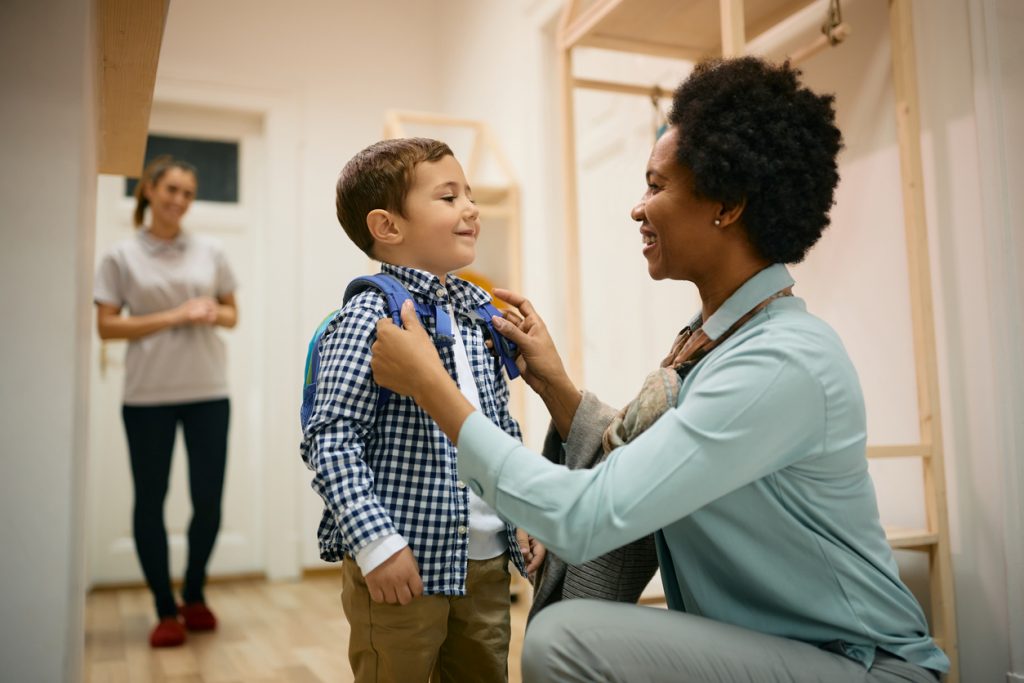
Creative world school Dec 22, 2025Choosing a preschool feels a lot like stepping into a huge decision you weren’t totally prepared for. One quick search for “best preschools near me” can turn into a maze of websites, tours to schedule, and a long list of things you suddenly feel like you’re supposed to know. You want your child to walk into a classroom that feels warm and safe. You want teachers who understand little kids. You want an environment where your child can play, ask questions, and grow in ways that feel natural. It’s a lot to think about, but with a few simple things to look for, the process gets much easier and way less stressful.

Start With Your Child’s Readiness
Before you start comparing programs and teachers, take a minute to think about your child. Some kids walk into new spaces ready to explore. Others like to hang back, warm up slowly, or stick close to you until things feel familiar. There’s no right or wrong way to start preschool. You just want to understand where your child is emotionally and socially.
If you’re unsure about timing, When to Start Preschool: Age Guidelines for Little Learners and 6 Telltale Signs Your Child Is Ready for Preschool break down what readiness really looks like. Sometimes readiness shows up in simple ways like your child showing interest in kids at the playground or wanting to “help” with little tasks at home. Big feelings also show up during transitions, and that’s completely normal. Preschool is a big step, and kids feel that shift along with you.
If you’d like to see how preschool supports emotional growth during these early transitions, Emotional and Social Benefits of Starting Preschool Early explains how the right environment helps children become more confident, flexible, and connected to others.
Look at the Heart of Each Preschool
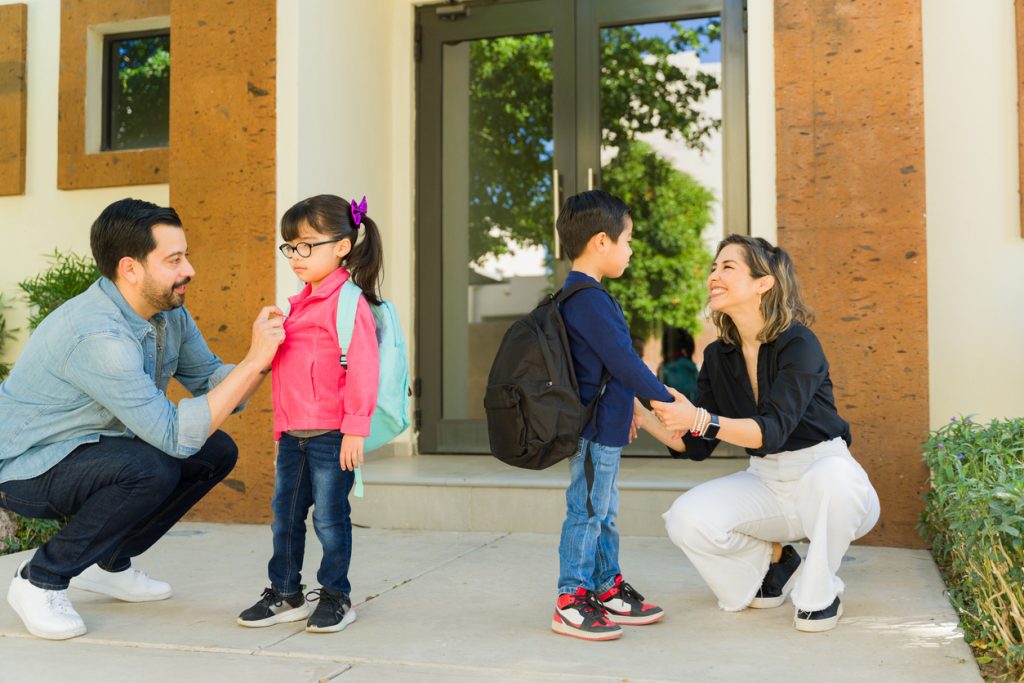
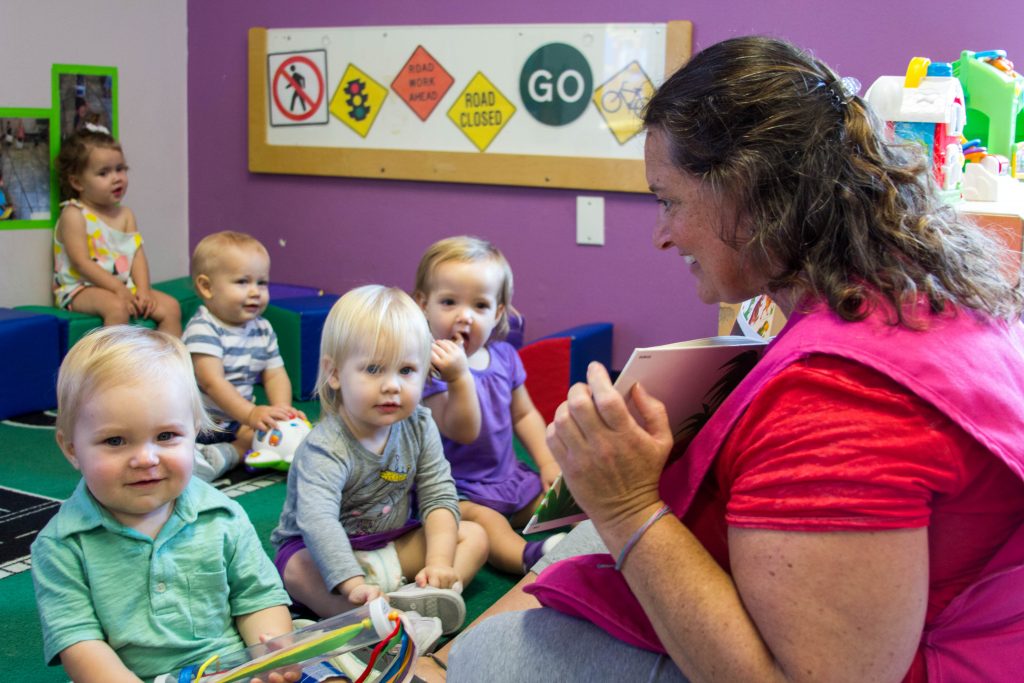
When you start touring schools, don’t focus only on shiny toys or a perfect-looking classroom. Watch the people. Teachers set the tone for the entire day. Notice how they talk to children. Do they use calm voices? Do they get down on a child’s level? Do you see patience, warmth, and genuine interest?
The tiny interactions you see during a tour are a window into how your child will be treated. If a teacher gently helps a child calm down or offers a choice instead of a demand, that’s a great sign. This kind of support lines up with the strategies in Coping with Preschool Tantrums: Effective Strategies, which shows how calm guidance helps kids learn emotional regulation. When teachers are steady and responsive, kids feel safe enough to explore and try new things without fear.
Evaluate the Classroom Environment
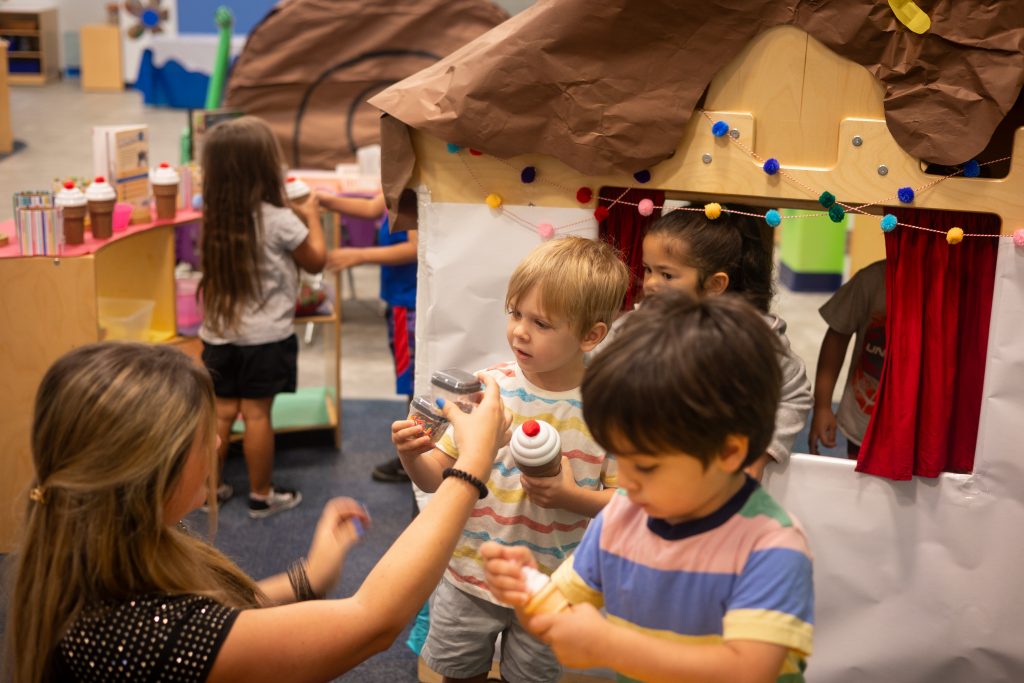
A high-quality preschool classroom doesn’t need to look spotless or perfectly staged. In fact, signs of real play are usually a good thing. Look for areas kids can actually use. Blocks, pretend play items, art supplies, books, and sensory materials should be easy to reach. Kids learn through doing, so they should be able to dig in without waiting for an adult to hand them something.
Pay attention to what’s on the walls. If you see children’s artwork, simple project photos, or teacher notes capturing kids’ words, that’s a sign the school values children’s thinking. This is exactly the kind of everyday learning described in Recognizing Early Signs of Emotional Growth in Toddlers, which explains how children build emotional awareness and independence through real moments.
If you want help understanding how quality curriculum shows up in real classrooms, What to Look for in a High-Quality Preschool Curriculum breaks down what strong early learning looks like without turning preschool into a mini version of elementary school.
Notice Outdoor Play and Nature
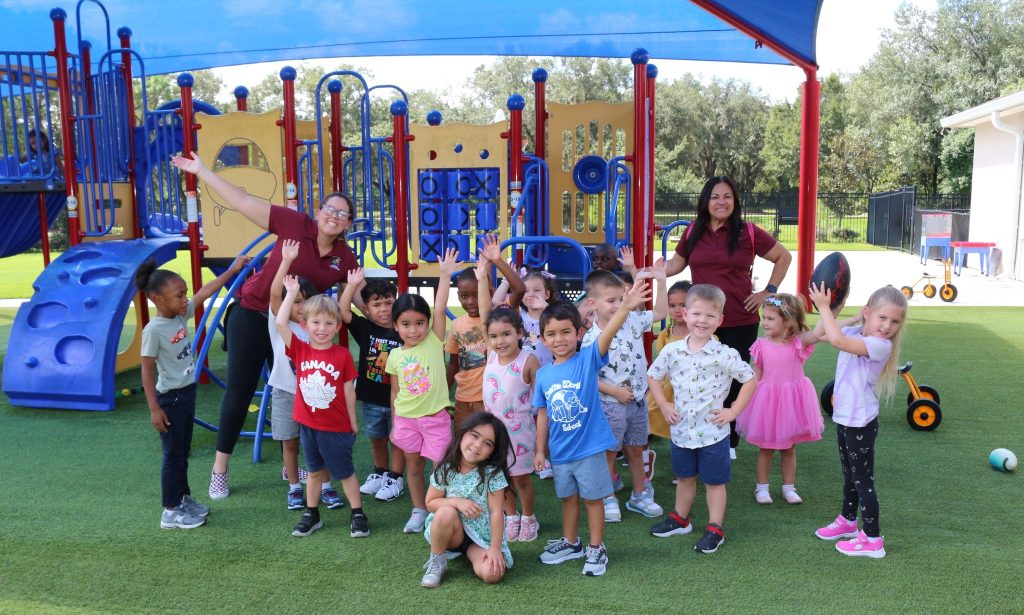
When you’re choosing a preschool, don’t forget to look outside. Kids need space to move, climb, explore, and breathe fresh air. Nature gives them a chance to challenge their bodies, slow down their minds, and reset when they’re overwhelmed.
Ask how often kids go outside. Ask if outdoor time happens daily or only when the weather is perfect. A school that values consistent outdoor play understands the whole child. Let Them Play Outside: The Secret to Happier, Healthier Preschoolers explains how time outdoors supports emotional balance, physical development, and stronger thinking skills. If the playground or outdoor space looks inviting and used often, that’s an excellent sign.
Ask Smart Questions During Preschool Tours
A tour is your chance to get real answers. Instead of only asking about tuition or schedules, ask questions that show you what daily life is like. Ask how teachers handle conflict between kids. Ask how they introduce new skills. Ask how they support children who feel shy or overwhelmed. Ask how they communicate with families.
If you’d like help coming up with questions, 10 Essential Questions to Ask During a Preschool Tour is a helpful guide you can pull up on your phone during the visit. It makes it easier to compare schools later, especially when the details start blending together. After each tour, sit in your car for a second and check in with yourself. Did the space feel warm? Did the teachers feel genuine? Did the atmosphere feel calm or rushed? Could you picture your child walking in and settling comfortably? Those feelings matter more than anything you read online.

Think About Location and Daily Life
The “best” preschool isn’t just about curriculum or classrooms. It’s also about how it fits into your family’s real world. A long commute can turn mornings into chaos. A location that’s close to home, work, or a trusted caregiver makes everyday life smoother.
To think through that part of the process, Location, Location, Location: Why It Matters for Your Preschool Choice breaks down how a school’s location impacts routines, stress levels, and your child’s overall experience. And once you find the right fit, we’ve shared tips on Boosting Your Child’s Confidence Before the First Day of Preschool or Managing Separation Anxiety When Starting Preschool help that’ll make the transition smoother.
Pay Attention to Play
Play tells you everything you need to know about how a school views learning. If kids are building, painting, pretending, exploring, talking, and moving, real learning is happening. You want a school that sees play as the heart of early childhood, not something kids do only after structured lessons.
Open-ended materials like blocks, art supplies, and nature items help kids solve problems, use their imagination, and build independence. A preschool that lets kids follow their curiosity is giving them the strongest possible foundation for later academic skills.
A Preschool That Helps Children and Families Shine
The best preschool near you is one that sees your child as a whole person. A place that celebrates their personality, supports their emotions, and gives them room to learn through play and discovery. At Creative World School, kids explore, imagine, build friendships, and grow in environments created just for them. Our classrooms and outdoor spaces support real learning through curiosity, conversation, movement, and hands-on experiences every single day.
If you’re looking for a preschool that feels like a second home, find your nearest Creative World School and schedule a tour. You and your child deserve a place that makes learning feel joyful from the moment you walk through the door.

Related Articles



Categories
- About Creative World (3)
- All About Water (3)
- Altamonte Springs (1)
- Animal Adventures (3)
- Apollo Beach (4)
- Apopka (3)
- Art (3)
- Avalon (2)
- Avalon Park (4)
- Away We Go (3)
- Back to school (1)
- Belton (2)
- Blogs to Share on Social Media (7)
- Brandon (1)
- Brrr... Cold! (2)
- Buggin' Out (2)
- Build It Up Theme (6)
- Chesapeake (1)
- Childhood Development (25)
- Children Book Recommendations (13)
- Children Quotes (1)
- Children Songs (1)
- Construction Theme (1)
- Contests (1)
- Creative World Curriculum (3)
- Crosscreek (3)
- CW Activity (2)
- CW Books (11)
- CW Celebrates (10)
- CW Character Traits (1)
- CW Educational Focus (4)
- CW Spotlight (1)
- Cypress Springs (1)
- Delicious Recipes (2)
- Did You Know? (1)
- Down To Earth (3)
- Early Education (19)
- Education (7)
- Estero (1)
- Fall Activities (3)
- Fall Festival (1)
- Fishhawk (1)
- Food (2)
- Franklin Township (1)
- Fun National Holidays (7)
- Health & Safety (1)
- In The Sky (2)
- In The Trees (4)
- iSTEAM (1)
- Katy, TX (3)
- Land O' Lakes (1)
- Lee's Summit (3)
- Liberty (1)
- Literacy (6)
- Mealtimes (1)
- Naples (2)
- Oakstead (2)
- Ooey Gooey (1)
- Orlando (2)
- Our Staff Recommends (2)
- Outdoor Activities (4)
- Oviedo (2)
- Parenting (50)
- Parenting Advice (30)
- People We Know (3)
- psychology (1)
- Rivercrest (1)
- Riverview (2)
- RiverWalk (1)
- School Events (1)
- School Readiness (1)
- Sensory Play (1)
- social-emotional (2)
- Space Topic (1)
- Special Events (14)
- St. Cloud (5)
- Starkey Ranch (4)
- STEAM (5)
- Summer (3)
- Summer Activities (2)
- Tampa (2)
- That's Me! (2)
- Tips (3)
- To The Grocery Store (2)
- Try this with your kids! (3)
- Tuition (1)
- TX (1)
- UCF (2)
- Uncategorized (67)
- Vinings (1)
- water (1)
- We're SERIOUS about PLAY (2)
- Week of the Young Child (1)
- Wesley Chapel (1)
- Winter Activities (3)