

10 Brain-Boosting Indoor Winter Activities for Preschoolers
Creative world school Feb 4, 2026Winter usually means chilly mornings and way more time spent inside, which can make any parent a little nervous about how to keep a preschooler busy. You might be worried about screen time or cabin fever, but indoor play is actually a huge opportunity for your child to learn. The American Academy of Pediatrics points out that play is a basic building block for a child’s brain and emotional health.
At Creative World, we don’t let a little cold weather slow things down. Here are ten easy, hands-on ways you can turn your living room into a place for discovery and connection.
1. Build a Living Room Obstacle Course
When your kids have extra energy to burn, an indoor course is the perfect outlet. Since preschoolers generally need about 60 minutes of active play every day to stay on track, using sofa cushions as islands to hop across is a great start. You can add a hula hoop to crawl through or use painter’s tape on the carpet as a balance beam to help them work on coordination. These simple challenges build gross motor skills and physical confidence while getting those winter wiggles out.
2. Explore with Sensory Bins
Sensory play acts like a workout for a child’s brain because it helps build the neural pathways they’ll use for thinking and learning later on. You can create a simple bin by filling a plastic tub with dry oatmeal, lentils, or even leftover gift wrap. By hiding plastic animals or magnets inside and providing a pair of tongs, you’ll encourage your child to practice the hand strength they’ll eventually need for writing and drawing.
3. Become Kitchen Scientists
Your kitchen is a great spot to explore science through simple, fizzy reactions. You can make a fizzing tray by pouring a little vinegar and food coloring over a sheet of baking soda to create an instant lesson in cause and effect. These early experiences with STEM ideas help children feel comfortable with scientific concepts long before they ever start school.
4. Make Storytime a Conversation
Reading together is one of the best things you can do for your child’s future literacy, especially when you make it a two-way conversation. Try dialogic reading by asking questions like, “Why do you think the cat is hiding?” or “What would you do if you were in the forest?” This kind of engagement builds their vocabulary and helps them understand the deeper meaning behind the stories you share.

5. Use “Loose Parts” for Math
Preschoolers learn math best when they can physically touch and move objects. Grab a muffin tin and some loose parts like pom poms, buttons, or dried pasta to help them practice counting. When your child counts out pieces for each cup or creates a color pattern, those abstract numbers finally begin to click. This sets them up for an easier time with math in the future.
6. Get Messy with Process Art
Open-ended art is one of the best ways for preschoolers to process big emotions and build self esteem. When you’re crafting, try focusing on the experience of creating rather than the final product. Give your child some cardboard, bubble wrap, or sponges to explore with washable paint so they can discover new textures and express their feelings. This process art is a fantastic way to build the small muscles in their hands while letting their imagination run wild.
7. Have a Freeze Dance Party
Dance gets the whole brain working at once, making a Freeze Dance party a fun way to practice self-control. Since children have to stop the moment the music cuts out, they’re learning how to manage their impulses through rhythm. You can even add homemade shakers or maracas to the mix because learning a beat helps kids recognize the natural sounds and patterns of language when they talk.
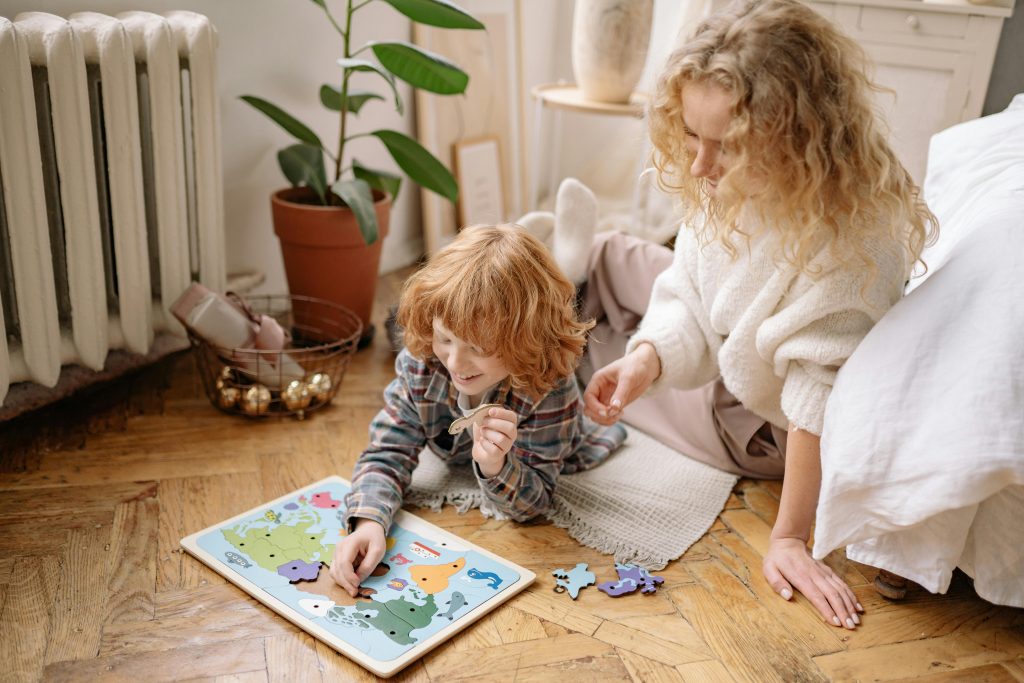
8. Tackle Puzzles Together
Puzzles teach kids how to stick with a problem until it’s solved, which builds incredible persistence over time. Every time your child fits a piece into place, their brain releases a little hit of dopamine that encourages them to keep learning. Whether it’s a wooden puzzle or a big floor version, they’re strengthening the spatial skills they’ll eventually need for things like geometry and sports.
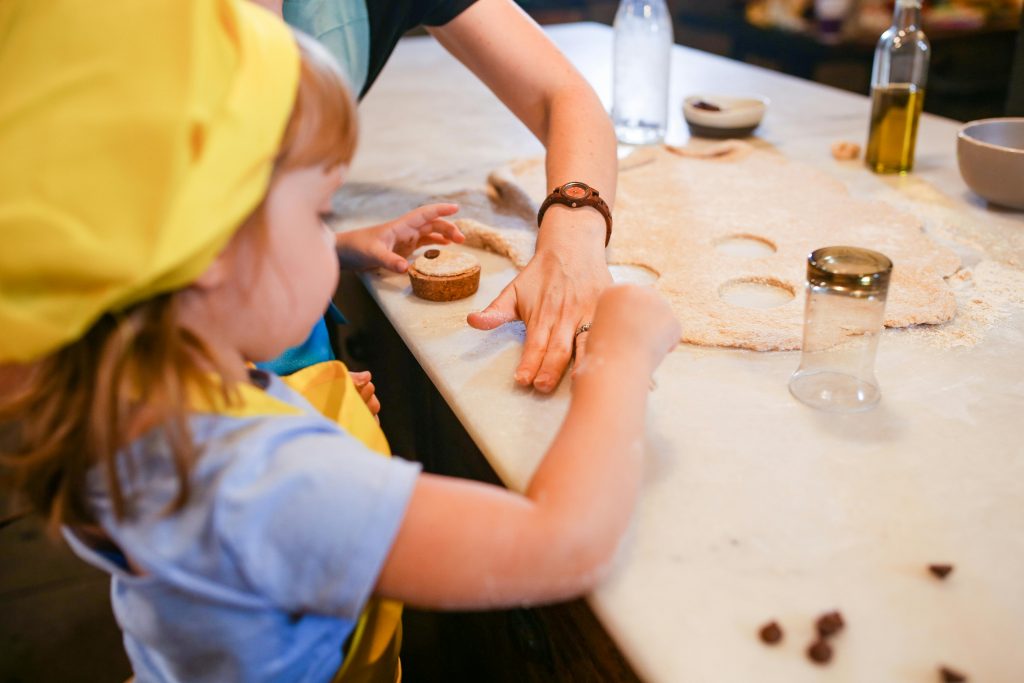
9. Get Them Helping in the Kitchen
The kitchen is a natural place to learn how to follow steps in a specific order, which is a key part of cognitive development. Let your child help mash up bananas or stir pancake batter so they can see how ingredients change. Beyond the math of measuring, kids are more likely to try healthy new foods if they had a hand in the preparation. It gives them a huge sense of pride in their work.
10. Bring the Outdoors Indoor
Nature is still a great source of inspiration even during the coldest months of the year. You can bring a bowl of snow inside for them to paint with watercolors, or collect some pinecones and rocks to study with a magnifying glass. Talking about how a pinecone feels prickly or a stone feels smooth is a simple way to build a rich vocabulary and a love for the world around them.
Warm Up and Learn at Creative World School
A loose routine at home can help your child feel safe and ready to learn. While these activities are great for a snowy afternoon, we love bringing these ideas to life every day in our schools.
If you’re looking for a place where your child can grow all year long, find a Creative World School near you. We’d love for you to come by, warm up at our campus, and take a tour to see what “Everyday Excellence” looks like in person.

Related Articles
Categories
- About Creative World (3)
- All About Water (4)
- Altamonte Springs (1)
- Animal Adventures (4)
- Apollo Beach (5)
- Apopka (4)
- Art (5)
- Avalon (2)
- Avalon Park (4)
- Away We Go (3)
- Back to school (3)
- Belton (4)
- Blogs to Share on Social Media (7)
- Bonita Springs (1)
- Brandon (2)
- Brrr... Cold! (2)
- Buggin' Out (2)
- Build It Up Theme (6)
- CampTastic (3)
- Chesapeake (2)
- Childhood Development (26)
- Children Book Recommendations (13)
- Children Quotes (1)
- Children Songs (1)
- Construction Theme (1)
- Contests (1)
- Creative World Curriculum (4)
- Creative World School (2)
- Crosscreek (4)
- CW Activity (2)
- CW Books (11)
- CW Celebrates (10)
- CW Character Traits (1)
- CW Educational Focus (4)
- CW Spotlight (1)
- Cypress Springs (3)
- Delicious Recipes (2)
- Did You Know? (1)
- Down To Earth (3)
- Early Education (19)
- Education (7)
- Estero (8)
- Fall Activities (3)
- Fall Festival (1)
- Fishhawk (2)
- Food (2)
- Franchise (1)
- Franklin Township (3)
- Friendship Theme (1)
- Fun National Holidays (19)
- Georgetown, TX (2)
- Health & Safety (5)
- In The Sky (2)
- In The Trees (4)
- iSTEAM (1)
- Katy, TX (4)
- Kindergarten (5)
- Land O' Lakes (2)
- Leander, TX (1)
- Lee's Summit (5)
- Liberty (1)
- Literacy (8)
- Loudoun County, VA (1)
- Mealtimes (1)
- Naples (3)
- New Schools (1)
- North Naples (3)
- Oakstead (4)
- Ooey Gooey (1)
- Orlando (5)
- Our Staff Recommends (2)
- Outdoor Activities (11)
- Oviedo (3)
- Parenting (55)
- Parenting Advice (47)
- People We Know (3)
- psychology (1)
- Rivercrest (1)
- Riverview (4)
- RiverWalk (1)
- School Events (3)
- School Readiness (5)
- Sensory Play (2)
- social-emotional (3)
- Space Topic (1)
- Special Events (17)
- St. Cloud (5)
- St. Cloud (1)
- Starkey Ranch (5)
- STEAM (5)
- Summer (3)
- Summer Activities (32)
- Tampa (6)
- That's Me! (2)
- Tips (3)
- To The Grocery Store (2)
- Try this with your kids! (4)
- Tuition (1)
- TX (1)
- UCF (5)
- Uncategorized (74)
- Vinings (2)
- water (1)
- We're SERIOUS about PLAY (2)
- Week of the Young Child (2)
- Wesley Chapel (2)
- Winter Activities (3)