
Benefits of Sensory Play for Preschoolers That Every Parent Should Know
Creative world school Feb 4, 2026If your kitchen floor currently looks like a flour factory exploded or your rug is soaked from a DIY water park, take a deep breath. It’s so easy to look at a bin of wet noodles and only see a giant chore, but there’s a much bigger story happening under those messy fingernails. When your child is elbow-deep in sensory activities for 3-year-olds, they’re doing the heavy lifting of brain development. Every squish and splash helps build the neural pathways that’ll support them for the rest of their lives.
At Creative World School, we see these lightbulb moments every day. Sensory play for preschoolers is really just any activity that gets their senses moving including touch, smell, taste, sight, hearing, and even their sense of balance. For a little kid, the whole world is a giant laboratory where everything’s brand new. Once you understand the benefits of sensory play, it’s a lot easier to see that flour on the floor as a sign of a growing mind at work.
How Sensory Play Supports Cognitive Growth
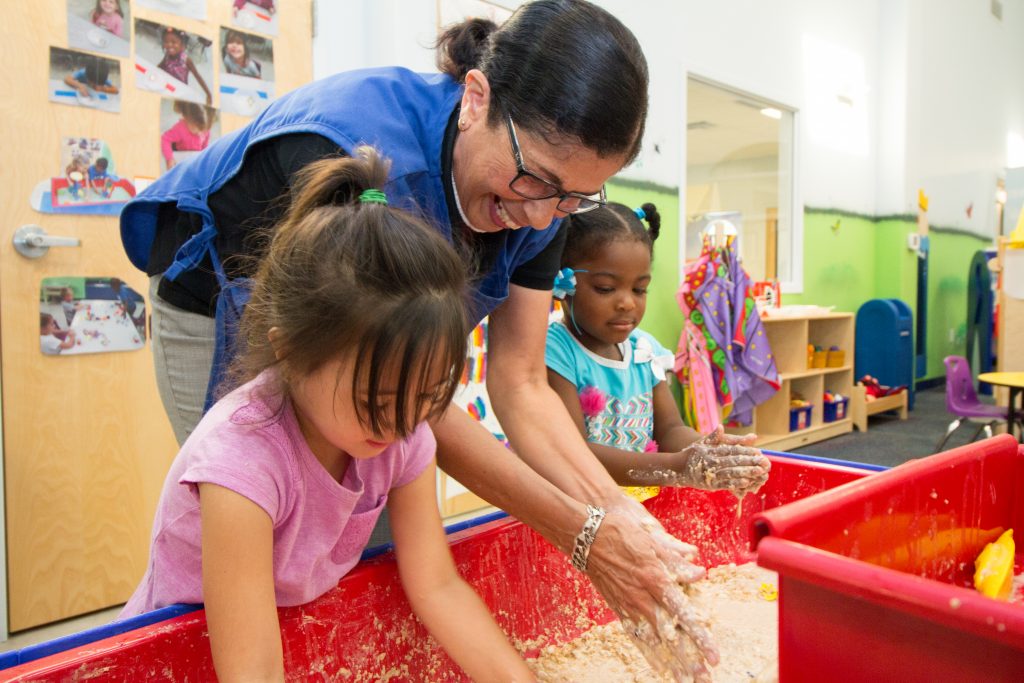
The preschool years are a time of lightning-fast brain growth and sensory play is like a high-speed connection for their development. If they’re squishing clay or listening to dried beans clatter into a tin, these experiences help them process information and make sense of the world. A child’s brain is twice as active as an adult’s brain and it develops most of its architecture by age five. During this window, the brain forms about 1 million new neural connections every single second. Sensory play is like a high-speed internet connection for these synapses. It’s also a perfect, natural way to introduce early childhood STEM activities at home. Pouring water between different cups, mixing paints to find a new color, or stacking blocks teaches them about volume, patterns, and prediction. They learn these concepts while they think they’re just playing. They’re acting like little scientists by testing out ideas and seeing the results right away. Those small wins build a sense of confidence and curiosity that stays with them long after the mess is cleaned up.
Age Changes the Way They Play
As your child grows, the way they play changes because their brain is shifting from “What is this?” to “What can I do with this?” For toddlers between one and two, it’s all about the thrill of cause and effect. They’re the ones dumping the flour or splashing the water just to see what happens, and those messy moments are actually their brains working hard to build basic processing skills.
By the time they hit the preschool years between ages three and five, you’ll notice their play starts to have a real mission. You might see them building an elaborate “river” in a sand table or carefully sorting colored rice into different piles. At this stage, that messy play is doing something incredible by building the pre-frontal cortex, which is the part of the brain that helps them plan, stay logical, and actually focus.
Emotional Regulation Through Sensory Exploration
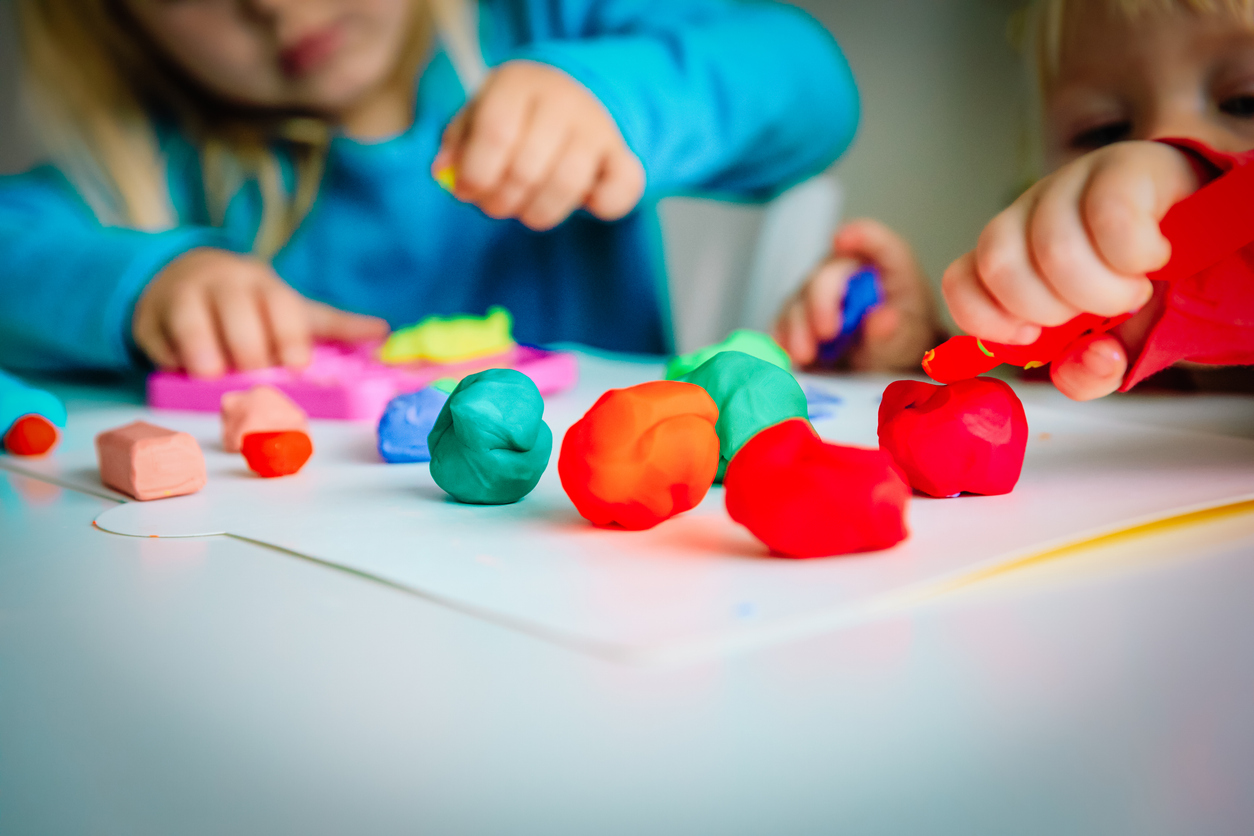
We’ve all seen how messy play ideas for preschoolers can turn a grumpy afternoon around. Sensory play gives kids a safe way to emotionally regulate (aka handle big feelings). Playing with water tables, sand, or playdough lets them release extra energy or calm down when they’re feeling overwhelmed. The repetitive motion of sifting sand or kneading dough provides tactile feedback that actually lowers stress and helps them focus. These types of social emotional learning activities teach kids how to self-regulate naturally. They might ground themselves with a quiet activity or burn off steam with some “heavy work” like lifting and squishing. They’re gaining the tools they’ll need for a more structured classroom later on.

Building Strength Coordination and Independence
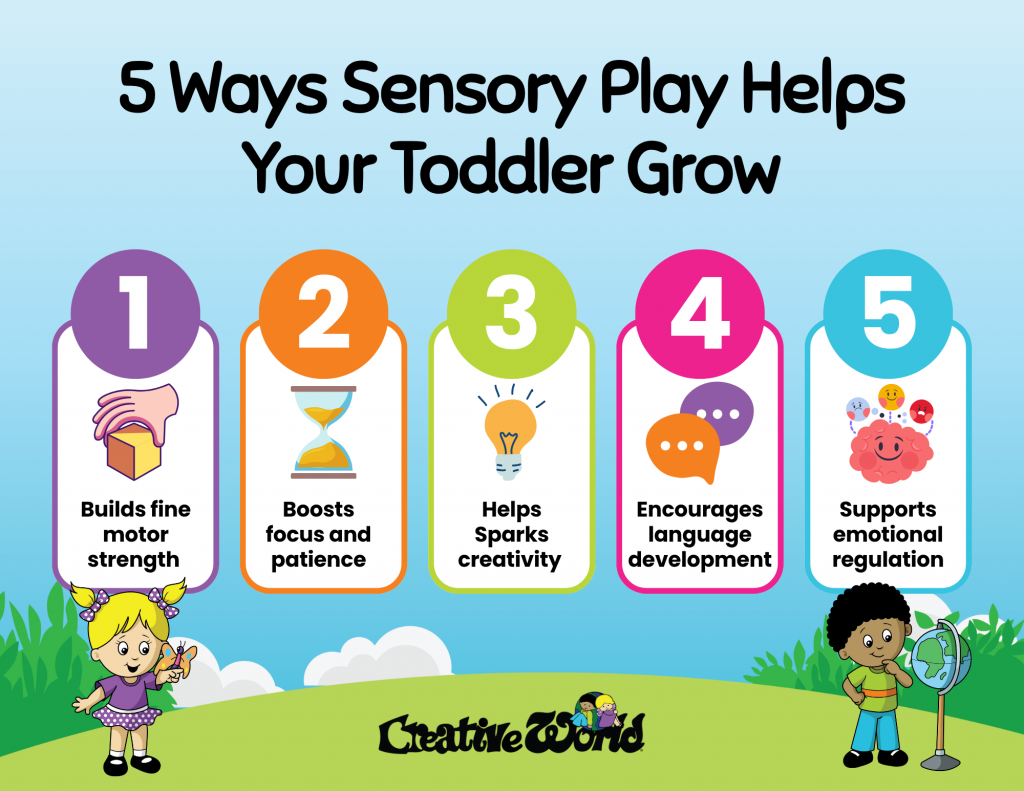
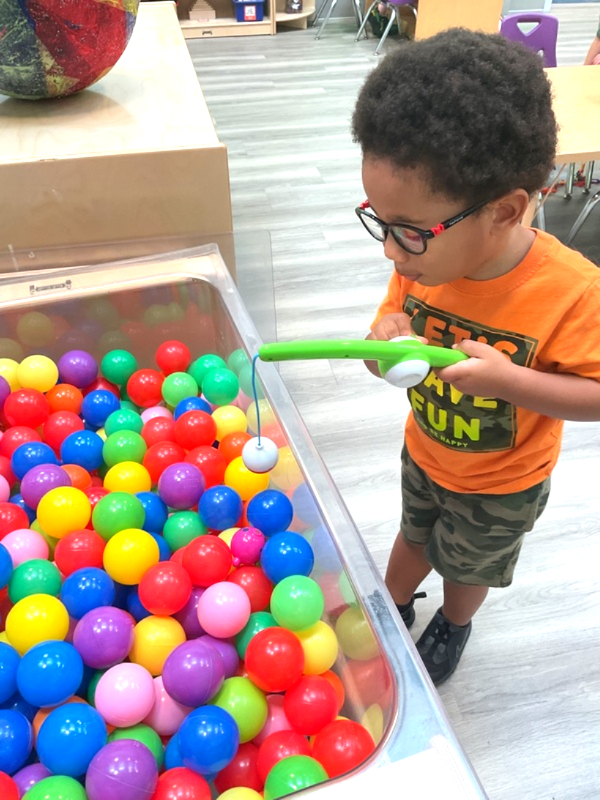
The nearest sensory bin is a great place to find fine motor skills activities for toddlers and preschoolers. Those tiny hand muscles get a workout whenever kids pinch, scoop, pour, or mold materials. These are the same muscles they’ll eventually use to hold pencils, use scissors, and button their own shirts. Their hand-eye coordination gets a boost as they learn to judge distances and steady their movements.
Sensory play is also a sneaky way to teach responsibility. Messes are just part of the deal when it comes to creative play for kids. Using trays or mats helps keep everything in one spot. Making the “cleanup” part of the game teaches them that taking care of their space is just part of the process. It builds a sense of independence and makes the whole experience more fun for everyone involved.
Bring Sensory Play to Life at Home and School
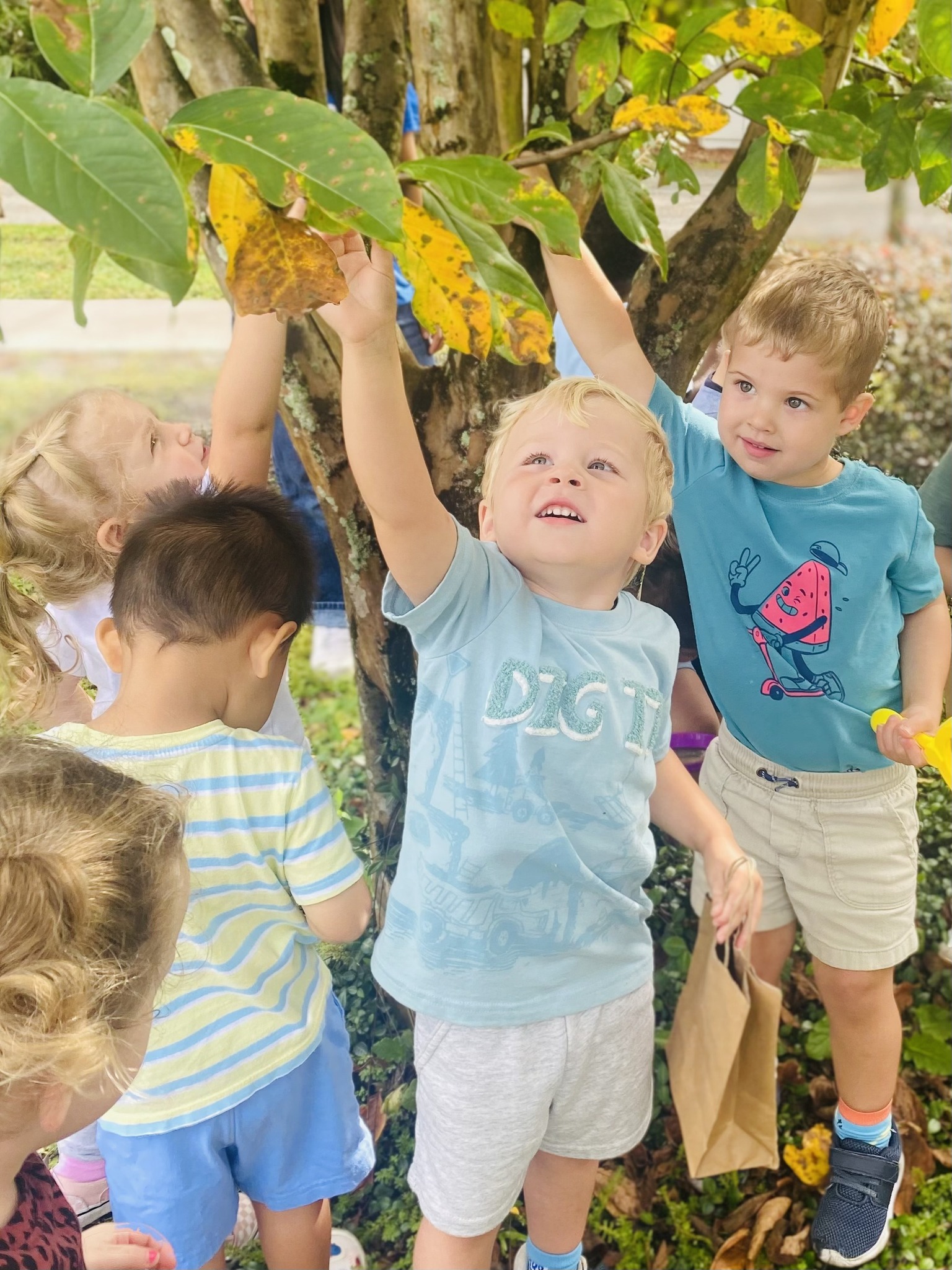
Simple items from your pantry like dried pasta, rice, or a bowl of soapy water make the best DIY sensory bin ideas. You can give your child all these perks using everyday household objects. If you want to keep the mess outside, outdoor sensory play is a total winner. Collecting crunchy leaves, poking at mud puddles, or feeling the rough bark on a tree gives them a chance to explore their world while staying active.
The benefits of these messy afternoons go way beyond preschool. Kids who grow up exploring through their senses are usually more curious and more willing to try new things. At Creative World School, we design our classrooms to provide these safe hands-on experiences every single day. Find a school near you and schedule a tour to see exactly how we turn exploration into education. Every splash and squish is just another step toward a bright future!

Related Articles
Categories
- About Creative World (3)
- All About Water (3)
- Altamonte Springs (1)
- Animal Adventures (3)
- Apollo Beach (4)
- Apopka (3)
- Art (3)
- Avalon (2)
- Avalon Park (4)
- Away We Go (3)
- Back to school (1)
- Belton (2)
- Blogs to Share on Social Media (7)
- Brandon (1)
- Brrr... Cold! (2)
- Buggin' Out (2)
- Build It Up Theme (6)
- CampTastic (1)
- Chesapeake (1)
- Childhood Development (25)
- Children Book Recommendations (13)
- Children Quotes (1)
- Children Songs (1)
- Construction Theme (1)
- Contests (1)
- Creative World Curriculum (3)
- Crosscreek (3)
- CW Activity (2)
- CW Books (11)
- CW Celebrates (10)
- CW Character Traits (1)
- CW Educational Focus (4)
- CW Spotlight (1)
- Cypress Springs (1)
- Delicious Recipes (2)
- Did You Know? (1)
- Down To Earth (3)
- Early Education (19)
- Education (7)
- Estero (1)
- Fall Activities (3)
- Fall Festival (1)
- Fishhawk (1)
- Food (2)
- Franklin Township (1)
- Fun National Holidays (8)
- Health & Safety (1)
- In The Sky (2)
- In The Trees (4)
- iSTEAM (1)
- Katy, TX (3)
- Land O' Lakes (1)
- Lee's Summit (3)
- Liberty (1)
- Literacy (6)
- Mealtimes (1)
- Naples (2)
- North Naples (2)
- Oakstead (2)
- Ooey Gooey (1)
- Orlando (2)
- Our Staff Recommends (2)
- Outdoor Activities (4)
- Oviedo (2)
- Parenting (51)
- Parenting Advice (32)
- People We Know (3)
- psychology (1)
- Rivercrest (1)
- Riverview (2)
- RiverWalk (1)
- School Events (1)
- School Readiness (1)
- Sensory Play (1)
- social-emotional (2)
- Space Topic (1)
- Special Events (15)
- St. Cloud (5)
- Starkey Ranch (4)
- STEAM (5)
- Summer (3)
- Summer Activities (2)
- Tampa (3)
- That's Me! (2)
- Tips (3)
- To The Grocery Store (2)
- Try this with your kids! (3)
- Tuition (1)
- TX (1)
- UCF (3)
- Uncategorized (67)
- Vinings (1)
- water (1)
- We're SERIOUS about PLAY (2)
- Week of the Young Child (1)
- Wesley Chapel (1)
- Winter Activities (3)