
Why a Story Puts More of Your Preschooler’s Brain to Work
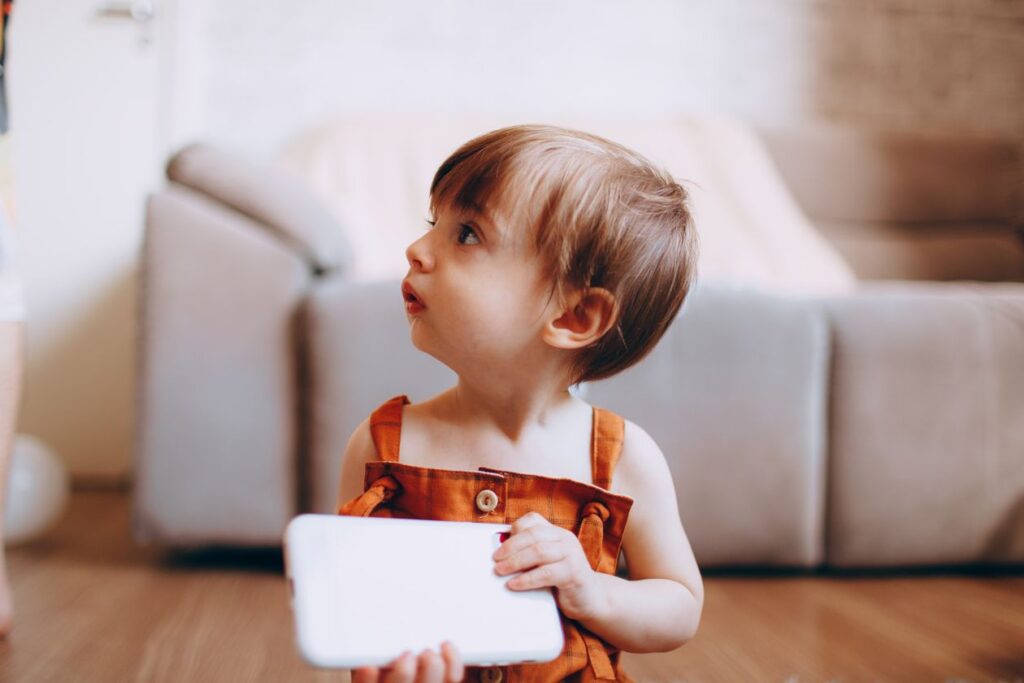
Creative world school Sep 15, 2026Most preschoolers, handed a choice between a tablet and a picture book, will take the tablet, and they’ll take it fast. You’ve probably watched this play out at your house. The show ends, the book comes out, and suddenly you’re negotiating with someone who’s three feet tall and very sure of themselves. Screens are a normal part of growing up right now, and wanting one is about the least surprising thing a 3-year-old can do.
Reading at home has been sliding for a while now, and there’s a piece of it you can use tonight. A story and a video are two different jobs to your preschooler’s brain, and the story is the bigger one!
What Brain Scans Show About Stories and Screens
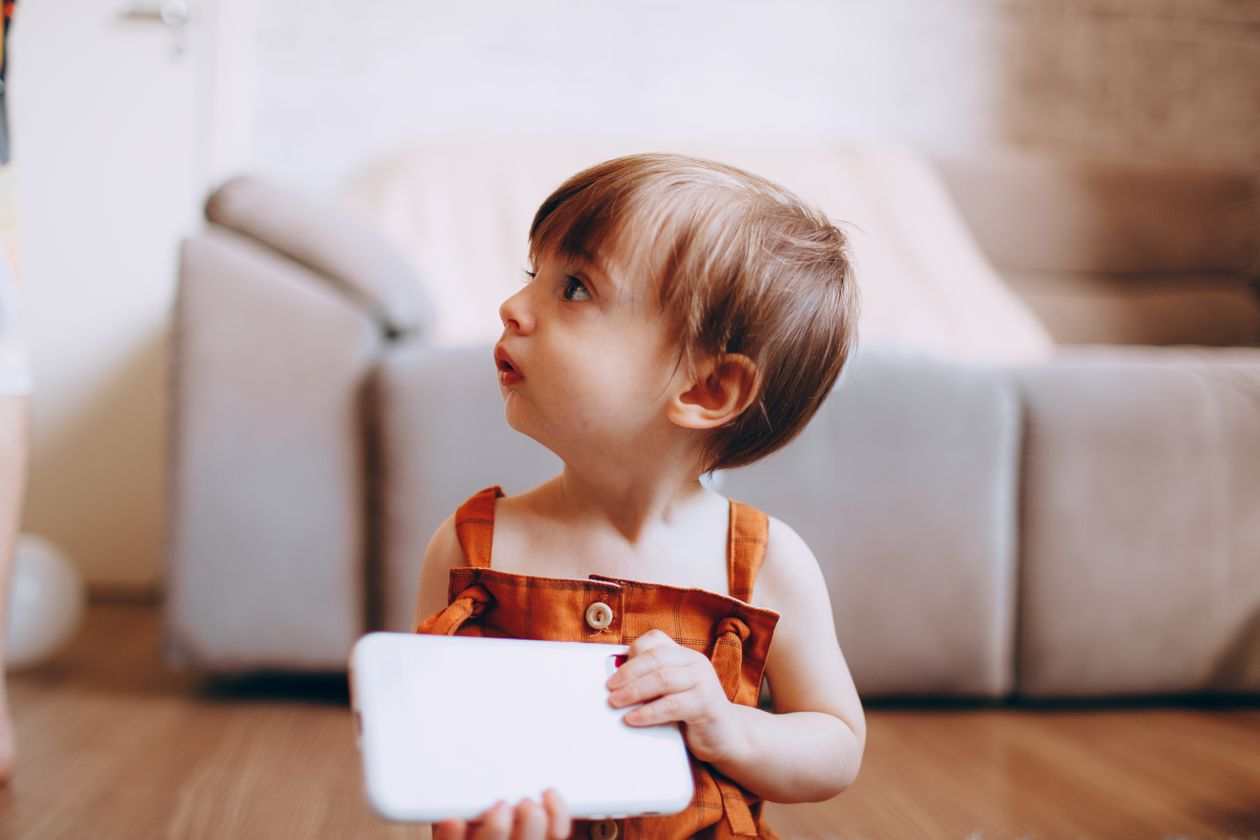
John Hutton, a pediatrician and researcher at UT Southwestern Medical Center, decided to look instead of guess. He put kids ages 3 to 5 in an MRI scanner and gave them the same kind of five-minute story three ways. One was audio only. One paired that audio with still pictures, the way a picture book does. The third was a cartoon.
The picture-book version was the winner. With a picture to look at and a voice carrying the story, the language part of the brain got a little breathing room, and the parts that handle imagination, learning, and thinking things over all got busy together. That’s exactly what you’re hoping for at this age!
The cartoon was the odd one out. With the animated version, the imagination, learning, and language networks stopped working together the way they did with the still pictures, and the seeing part of the brain took over instead. The screen had the picture covered, so the rest of the brain kicked back and let it.
Why a Video Feels Easier to Your Preschooler
The reason is short enough to repeat at pickup. On a screen, everything’s already happening for your child. The dragon is already green, already flying, already roaring. Nobody has to build it, so their brain does less work to understand it and less work to learn from it.
A picture book hands your preschooler half the job. The picture gives them a starting point, your voice gives them the rest, and their brain fills in the gap. How big is the dragon next to the boy? What does that roar sound like, and does it rattle the windows? That gap is the work, and the work is the part that grows!

Hutton’s team flipped the question around too. Kids with more screen time and less reading showed less well-developed white matter in the brain areas that carry language and self-control, the wiring that helps a kid decide to build a block tower and still be building it five minutes later.
Now, none of this makes movie night a problem! Screens are part of family life, a show while you get dinner on the table is completely normal, and there’s a big difference between a couple of episodes and a whole afternoon of them. A story just asks a little more of your preschooler, and that ask is the whole point.
What a Picture Book Gives Your Preschooler to Do
Reading with a child turns out to be rarer than you’d guess. In an analysis of how 236,000 Americans spent their days, reading with a child was far less common than reading for pleasure, and reading for pleasure itself has fallen more than 40 percent in twenty years. So if story time keeps losing out to bath and dishes, you’re in very normal company, and it takes surprisingly little to count. Ten minutes on the couch with a kid in your lap is a real win!
In Journey by Aaron Becker, a lonely girl draws a door on her bedroom wall with a red crayon and walks through it into a world of canals, castles, and flying machines. There are no words in the book at all, so your kiddo ends up doing the narrating, and you get to hear exactly what their imagination made of each page.
You can widen that gap a little with almost no effort. Stop on a page and see if they can guess what comes next before you turn it. Let them be completely wrong about it! Ask what the giant smells like, or which character they’d rather be. And on the afternoons when the tablet does come out, the same idea travels with it. Plop down next to them and talk about what’s on the screen. Name things. Wonder out loud about why the pig is driving a bus.
See What Inquiry-Based Learning Looks Like All Day
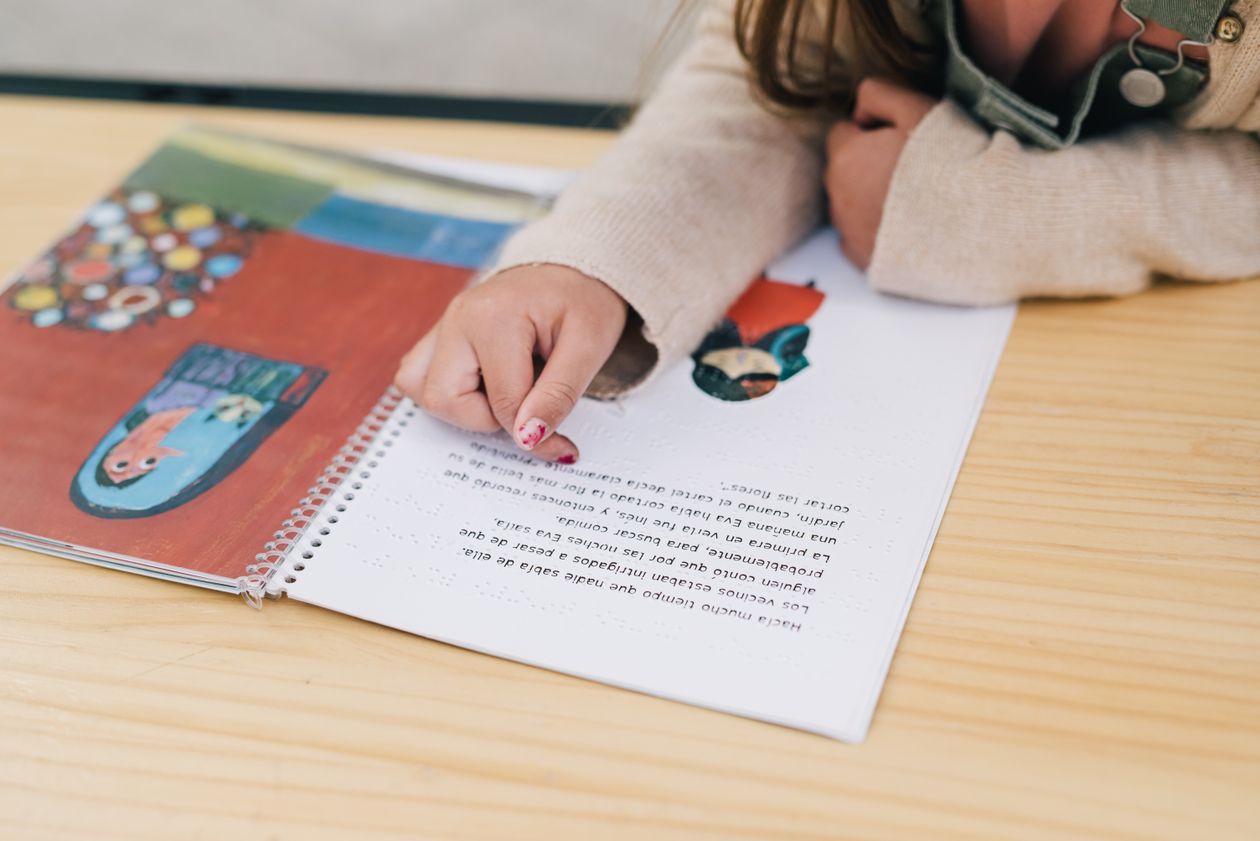
The same brainwork happening on your couch runs through our whole day at Creative World School. Our classrooms are built on inquiry, which mostly means our teachers follow the questions kids are already asking instead of handing over the answers. That’s the thinking behind our iSTEAM days, where inquiry leads and the science, technology, engineering, art, and math turn up as rockets and robots, group art projects, and sensory bins. Project iSTEAM is one of the stations inside the Enrichment side of our Exploratorium™, the hands-on discovery space at the center of every classroom. Find a school near you and come take a look at a room full of preschoolers building something nobody drew for them first.

Related Articles
-
“Let’s Find Out” Is the Best STEM Answer You Can Give Your Preschooler
-
10 Creative Strategies for Introducing New Foods to Picky Toddlers: Tips and Tricks

-
10 Earth Day Adventures for Preschoolers
-
7 Fast Yet Nutritious Toddler Breakfasts for Busy Parents

-
Achieving Work-Life Balance with Young Kids: Practical Tips for Busy Parents

Categories
- About Creative World (3)
- All About Water (4)
- Altamonte Springs (1)
- Animal Adventures (4)
- Apollo Beach (6)
- Apopka (5)
- Art (5)
- Avalon (2)
- Avalon Park (5)
- Away We Go (3)
- Back to school (4)
- Belton (4)
- Blogs to Share on Social Media (7)
- Bonita Springs (1)
- Brandon (2)
- Brrr... Cold! (2)
- Buggin' Out (2)
- Build It Up Theme (6)
- CampTastic (3)
- Chesapeake (3)
- Childhood Development (33)
- Children Book Recommendations (14)
- Children Quotes (1)
- Children Songs (1)
- Construction Theme (1)
- Contests (1)
- Creative World Curriculum (4)
- Creative World School (2)
- Crosscreek (4)
- CW Activity (2)
- CW Books (11)
- CW Celebrates (11)
- CW Character Traits (1)
- CW Educational Focus (4)
- CW Spotlight (1)
- Cypress Springs (3)
- Delicious Recipes (2)
- Did You Know? (1)
- Down To Earth (3)
- Early Education (19)
- Education (7)
- Estero (8)
- Fall Activities (14)
- Fall Festival (1)
- Fishhawk (3)
- Food (2)
- Franchise (1)
- Franklin Township (4)
- Friendship Theme (1)
- Fun National Holidays (19)
- Georgetown, TX (4)
- Health & Safety (5)
- In The Sky (2)
- In The Trees (4)
- iSTEAM (6)
- Katy, TX (5)
- Kindergarten (5)
- Land O' Lakes (3)
- Leander, TX (1)
- Lee's Summit (5)
- Liberty (1)
- Literacy (8)
- Loudoun County, VA (2)
- Mealtimes (1)
- Naples (4)
- New Schools (3)
- North Naples (4)
- Oakstead (4)
- Ooey Gooey (1)
- Orlando (5)
- Our Staff Recommends (2)
- Outdoor Activities (14)
- Oviedo (4)
- Parenting (64)
- Parenting Advice (63)
- People We Know (3)
- psychology (1)
- Rivercrest (1)
- Riverview (5)
- RiverWalk (1)
- School Events (3)
- School Readiness (5)
- Sensory Play (2)
- social-emotional (3)
- Space Topic (1)
- Special Events (17)
- St. Cloud (2)
- St. Cloud (5)
- Starkey Ranch (5)
- STEAM (5)
- Summer (3)
- Summer Activities (38)
- Tampa (6)
- That's Me! (2)
- Tips (3)
- To The Grocery Store (2)
- Try this with your kids! (4)
- Tuition (1)
- TX (1)
- UCF (6)
- Uncategorized (72)
- Vinings (2)
- water (1)
- We're SERIOUS about PLAY (2)
- Week of the Young Child (2)
- Wesley Chapel (2)
- Winter Activities (3)