
Teaching Your Preschooler to Settle Squabbles With Words
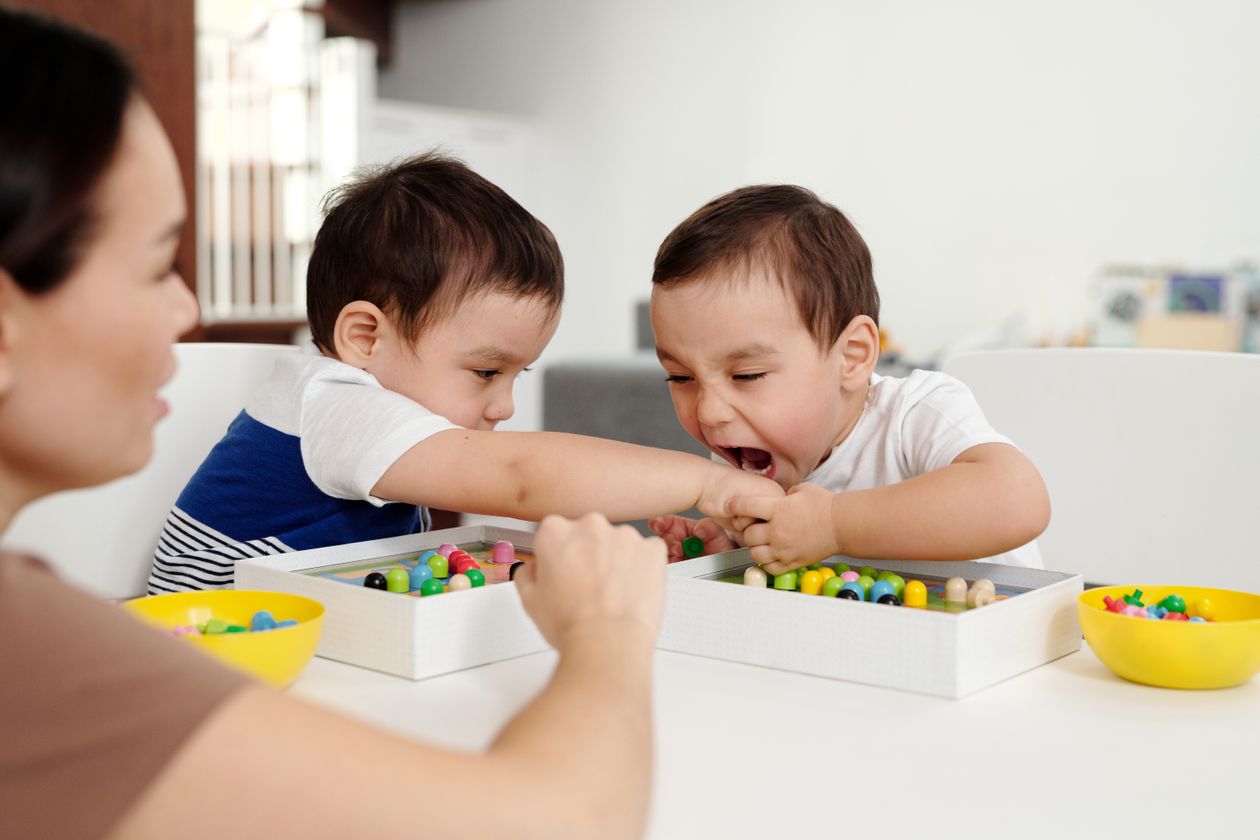
Creative world school Sep 11, 2026Two kids, one dump truck. You can guess what happens next. There’s a grab, a shriek, and suddenly you’re refereeing a standoff over a toy that nobody wanted five minutes ago. If that sounds like an average afternoon at your house, you’re in good company. Little squabbles like these are just part of daily life with preschoolers, and they pop up everywhere, at the park, on playdates, and especially between siblings.
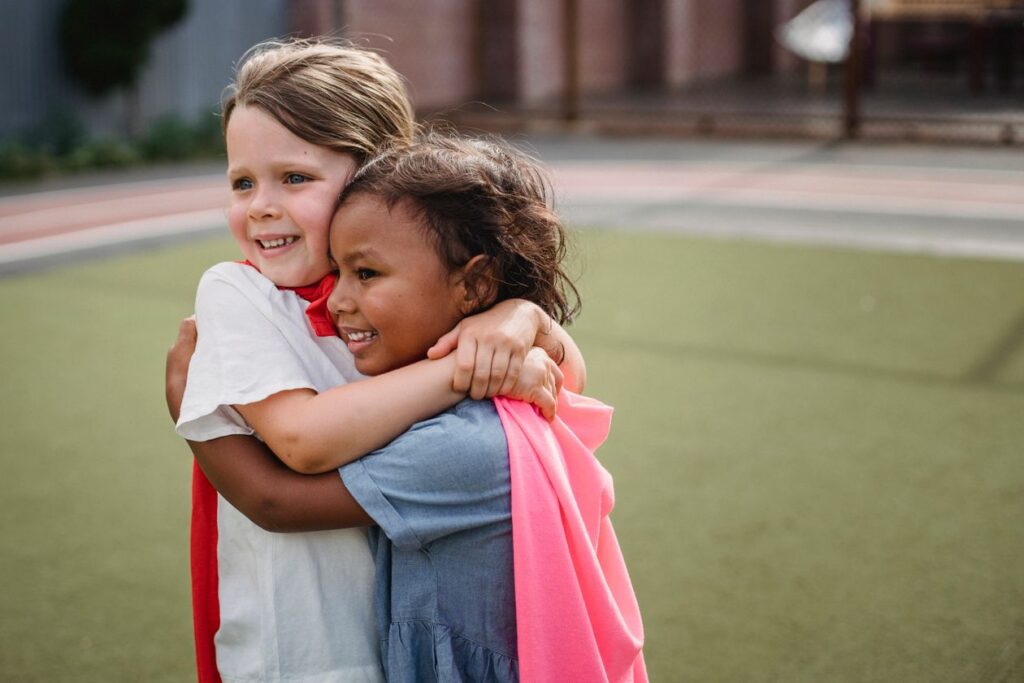
September 21st is the International Day of Peace, and it’s a good reminder that peace gets built at every size, right down to the one happening on your living room rug. For a preschooler, that means using words when feelings run high, taking turns, and slowly working out that the other kid has feelings too. These are all skills, and you can help your child build them at home, one squabble at a time.
Why Squabbles Are Normal for Preschoolers
First, take a breath. Squabbling is a normal part of being three or four years old. At this age, kids are just starting to figure out how other people think, and to notice that their friend wants the same truck for the very same reason they do. That’s a hard thing to wrap a small brain around.
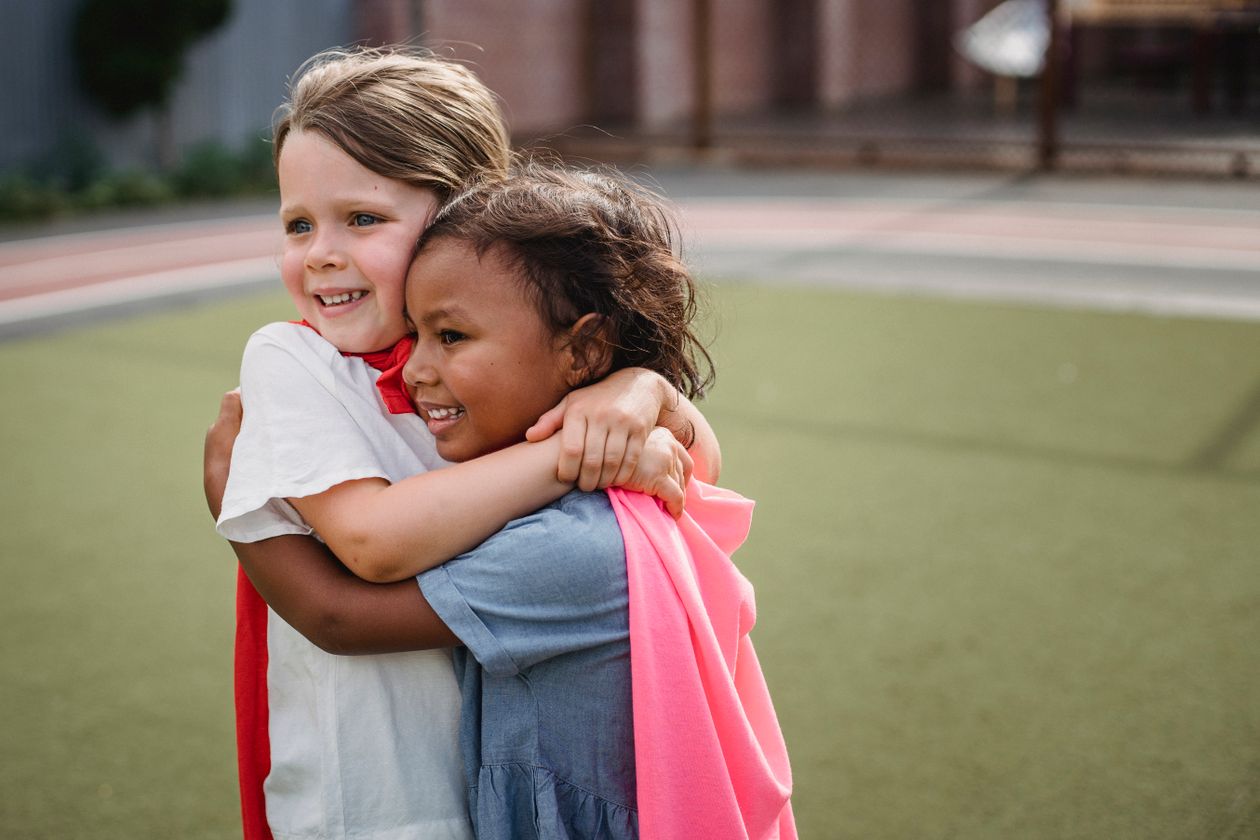
As preschoolers spend more time together, they grow more aware of other kids’ feelings and slowly compete less and cooperate more, according to the American Academy of Pediatrics. That shift takes years of practice, and every turn-taking battle on the rug is part of it, even the loud ones.
You can help it along by giving your child lots of chances to play with others and by naming what you see as it happens. Your main job here is patience, and you’ll get plenty of practice too!
Name the Feeling Before Fixing the Problem
When a squabble blows up, your instinct is to solve it fast. Try naming the feeling first. A child who hears “You’re so mad she took it” settles down faster than one who only hears “Stop yelling.” Putting a word to the feeling helps your child feel understood, and it gives them something to reach for next time instead of a fist. It’s one of the most useful habits you can model.
This matters most when hands get involved. Hitting, grabbing, and pushing are common at this age, and they usually mean a child simply ran out of words. Read Hands Are Not for Hitting by Martine Agassi together on an easy afternoon, well before any meltdown, so the idea is already in place when they need it.
Give Your Preschooler the Words to Use
Kids can’t use words they don’t have yet, so hand them the script. Practice clear, simple lines they can actually say in the moment, like “I’m still using this,” “Can I have a turn when you’re done?” or “Stop, I don’t like that.” Keep them short enough for a three-year-old to remember under pressure, and expect to repeat them many, many times. All that repetition is exactly how the words sink in.
Model it yourself, too. When you’re waiting your turn in line or you want the remote, talk your way through it out loud so your child hears calm problem-solving in action. It also helps to rehearse these lines when everyone is happy, maybe with stuffed animals at bedtime, so the words feel familiar before a real tug-of-war starts. In Talk and Work It Out by Cheri J. Meiners, a child learns to cool down, say what the problem is, listen, and find a fix everyone can live with. It walks through the very steps you’re coaching at home.
Step Back and Let Them Try
Once your child has a few words, give them room to use them. Resist jumping in the second a disagreement starts. A surprising number of small squabbles sort themselves out if you wait ten seconds and just watch. When kids work it out on their own, even messily, they learn far more than they would from a grown-up’s ruling.
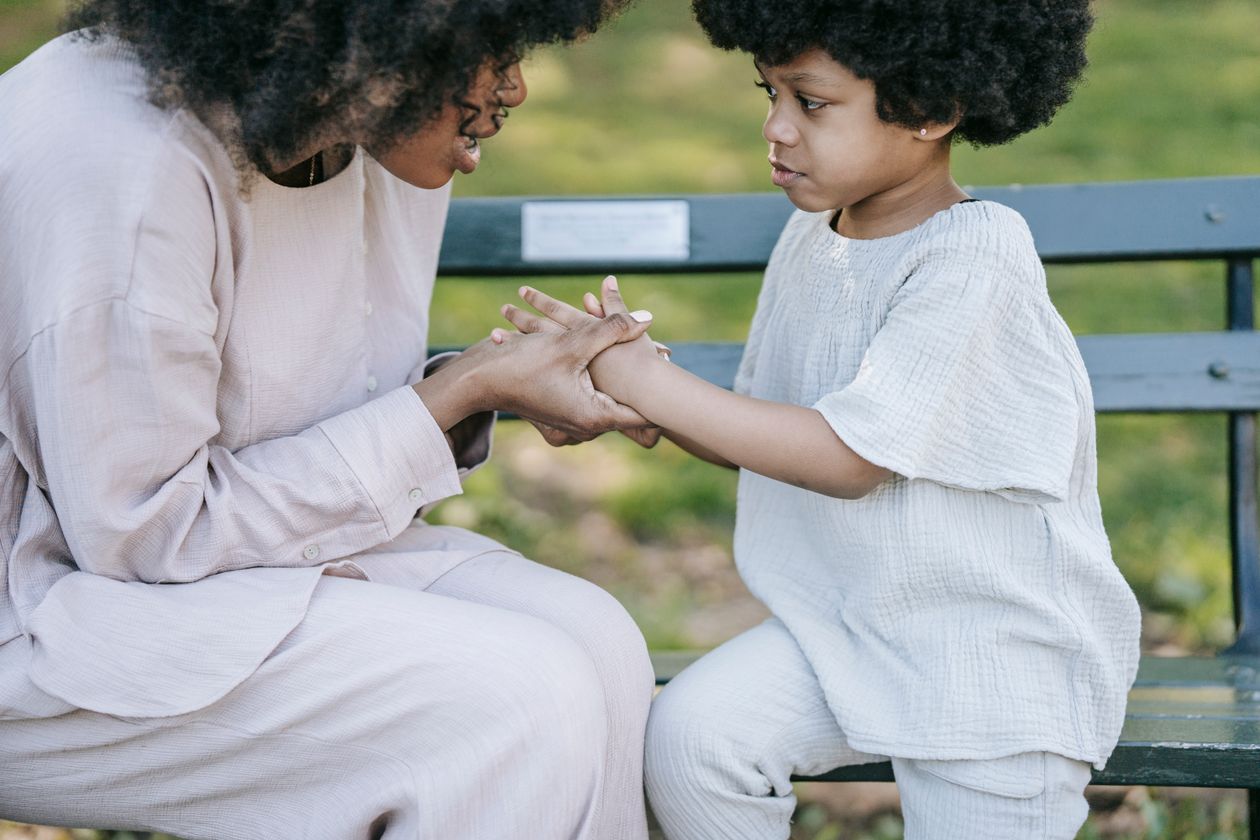
When you do step in, be a coach. Get down to their level, name what each kid wants, and ask them for ideas. “You both want the blue cup. What could we do?” Preschoolers come up with creative solutions when a grown-up isn’t handing them the answer.
If someone’s about to get hurt, step in right away. Otherwise, hang back a little longer than feels comfortable, and see what they come up with.
Where Little Peacemakers Practice Every Day
Learning to settle a squabble is one of the biggest jobs of the preschool years, and it happens through hundreds of small moments. At Creative World School, our teachers guide those moments at eye level, helping children name feelings, take turns, and work things out with words. Our iSTEAM™ days put inquiry first, with the science, technology, engineering, art, and math showing up as rockets and robots, group art, and sensory play, with plenty to share and negotiate along the way. When you’re ready to see it in action, find one of our schools near you. The same curiosity your child brings to a playground standoff is what we pour into our Exploratorium™ classrooms every single day.

Related Articles


Categories
- About Creative World (3)
- All About Water (4)
- Altamonte Springs (1)
- Animal Adventures (4)
- Apollo Beach (6)
- Apopka (5)
- Art (5)
- Avalon (2)
- Avalon Park (5)
- Away We Go (3)
- Back to school (4)
- Belton (4)
- Blogs to Share on Social Media (7)
- Bonita Springs (1)
- Brandon (2)
- Brrr... Cold! (2)
- Buggin' Out (2)
- Build It Up Theme (6)
- CampTastic (3)
- Chesapeake (3)
- Childhood Development (33)
- Children Book Recommendations (14)
- Children Quotes (1)
- Children Songs (1)
- Construction Theme (1)
- Contests (1)
- Creative World Curriculum (4)
- Creative World School (2)
- Crosscreek (4)
- CW Activity (2)
- CW Books (11)
- CW Celebrates (11)
- CW Character Traits (1)
- CW Educational Focus (4)
- CW Spotlight (1)
- Cypress Springs (3)
- Delicious Recipes (2)
- Did You Know? (1)
- Down To Earth (3)
- Early Education (19)
- Education (7)
- Estero (8)
- Fall Activities (14)
- Fall Festival (1)
- Fishhawk (3)
- Food (2)
- Franchise (1)
- Franklin Township (4)
- Friendship Theme (1)
- Fun National Holidays (19)
- Georgetown, TX (4)
- Health & Safety (5)
- In The Sky (2)
- In The Trees (4)
- iSTEAM (6)
- Katy, TX (5)
- Kindergarten (5)
- Land O' Lakes (3)
- Leander, TX (1)
- Lee's Summit (5)
- Liberty (1)
- Literacy (8)
- Loudoun County, VA (2)
- Mealtimes (1)
- Naples (4)
- New Schools (3)
- North Naples (4)
- Oakstead (4)
- Ooey Gooey (1)
- Orlando (5)
- Our Staff Recommends (2)
- Outdoor Activities (14)
- Oviedo (4)
- Parenting (64)
- Parenting Advice (63)
- People We Know (3)
- psychology (1)
- Rivercrest (1)
- Riverview (5)
- RiverWalk (1)
- School Events (3)
- School Readiness (5)
- Sensory Play (2)
- social-emotional (3)
- Space Topic (1)
- Special Events (17)
- St. Cloud (2)
- St. Cloud (5)
- Starkey Ranch (5)
- STEAM (5)
- Summer (3)
- Summer Activities (38)
- Tampa (6)
- That's Me! (2)
- Tips (3)
- To The Grocery Store (2)
- Try this with your kids! (4)
- Tuition (1)
- TX (1)
- UCF (6)
- Uncategorized (72)
- Vinings (2)
- water (1)
- We're SERIOUS about PLAY (2)
- Week of the Young Child (2)
- Wesley Chapel (2)
- Winter Activities (3)