
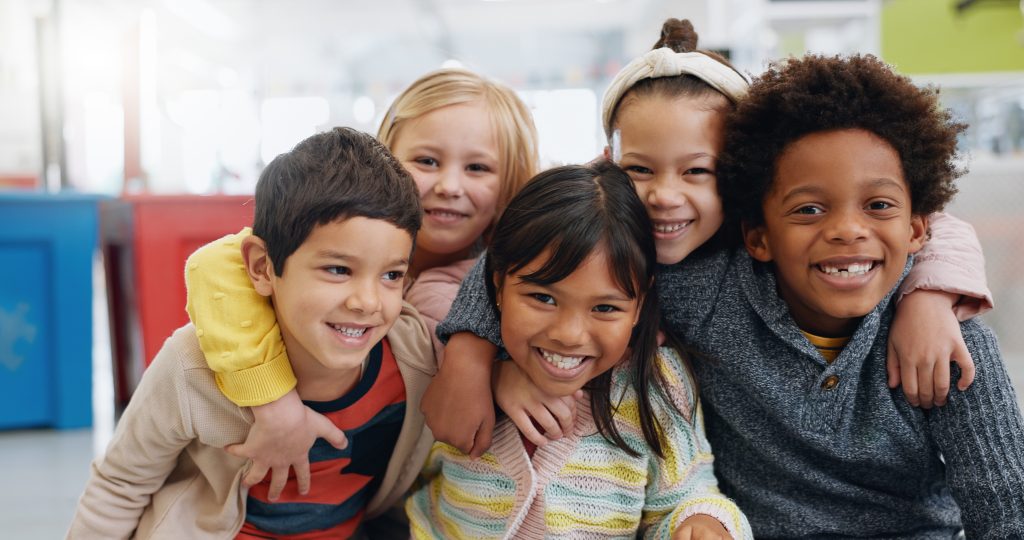
Preschool Milestones Parents Should Know: How Kids Grow in Speech, Movement, and Emotions
Creative world school Dec 4, 2025If you’ve ever wondered, “Is this normal?” when your preschooler goes from belly laughing to crying over a broken cracker, you’re not alone. These early years are full of wild leaps, small stumbles, and lots of in-between moments that can leave you guessing. Growth at this age doesn’t always show up in ways that are obvious. Sometimes it looks like a kid quietly figuring out how to zip a jacket. Other times it sounds like a four-year-old using a new word they picked up five minutes ago.
From ages three to five, your child is doing a lot of work under the surface. They’re learning how to use their words, manage their feelings, move with more control, and understand how to be part of a group. And while it can feel like a lot, most of the time you’re already helping them just by being present and tuned in.
Here’s a closer look at what’s really going on during the preschool years, plus a few helpful reads if you want to dig in deeper.
The Small Stuff That Matters
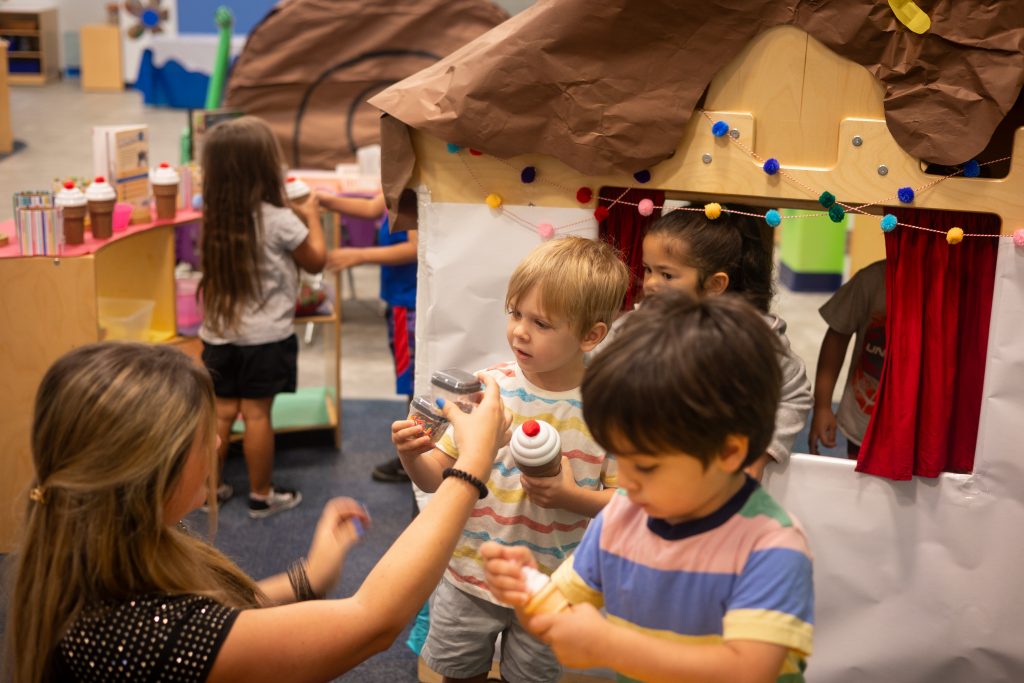
It’s easy to miss the progress when you’re in the middle of the daily routine. But those little wins definitely count. Things like trying to brush their own teeth, putting on socks the right way, or remembering to say thank you without being asked. Those are big steps in independence, even if they don’t always feel like it.
Preschoolers grow in spurts, and not always in the same areas at the same time. One child might be super coordinated but still working on clear speech. Another might be talking up a storm but nervous about joining group play. It’s all part of the process.
If you’re curious about what to look for in terms of milestones from age three to five, our Toddler Milestone Checklist (Ages 3–5) gives you a straightforward look at physical, emotional, social, and language growth. Nothing intense or overwhelming, just a helpful guide.
Preschool Language Development: How Talking Turns into Learning
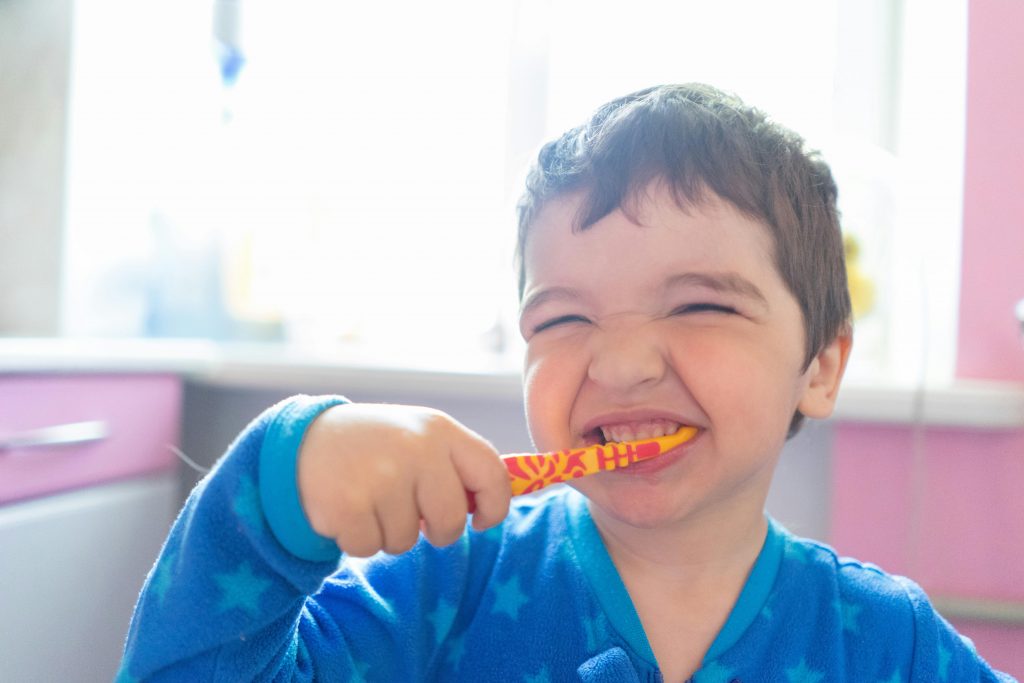
One of the biggest changes you’ll notice during these years is how much more your child starts to talk and how much more sense they start to make. Suddenly, they’re asking questions, telling stories, and giving their opinion on everything from lunch to the weather.
The best way to support their language development is simply by talking with them. Let them tell you about their day, even if it comes out in a slightly confusing jumble. Read books together. Ask silly questions. Pause to really listen when they’re trying to explain something.
For more ideas that don’t require a lot of prep or planning, check out How to Foster Language Growth in Your Child. It’s full of ways to turn your everyday routines into learning opportunities.
Why Preschool Motor Skills Start with Movement and Play
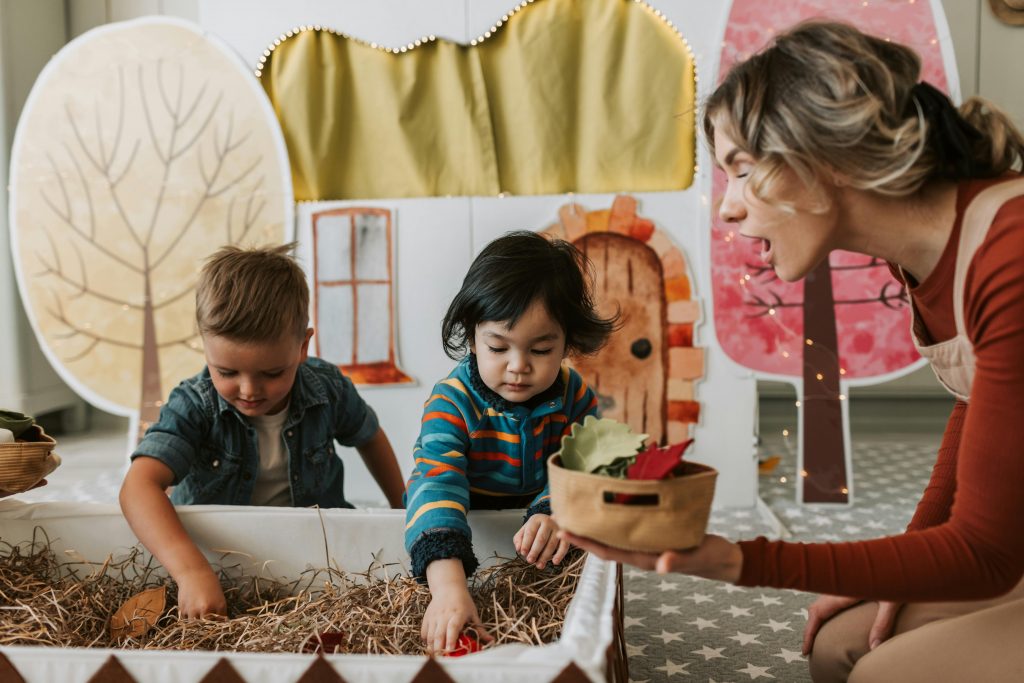
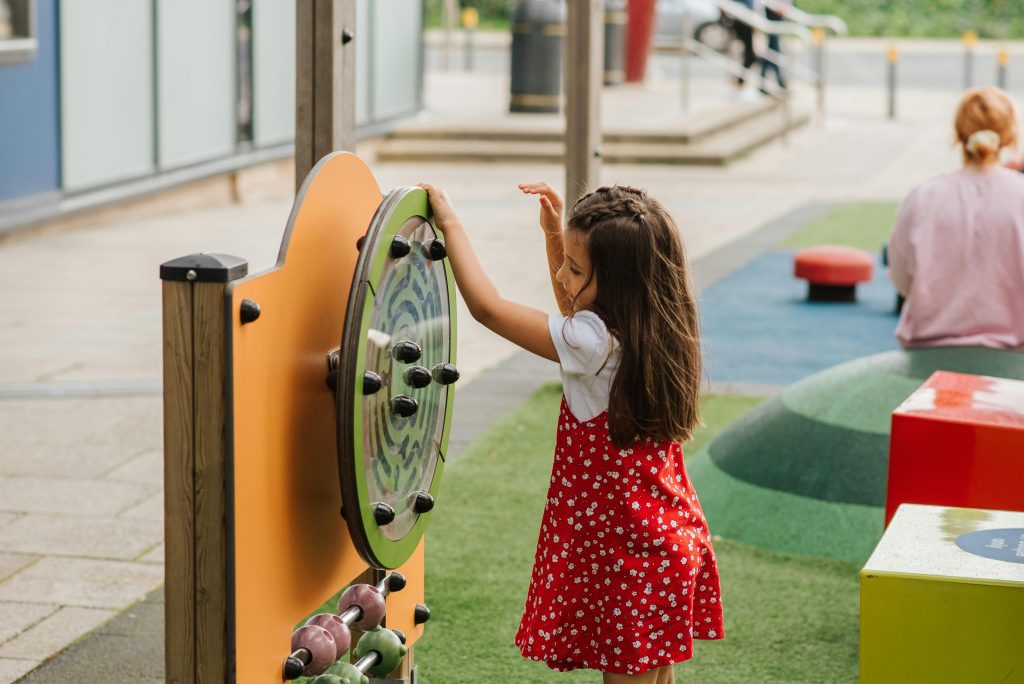
If your child is constantly in motion, that’s a good sign. Preschoolers are wired to move. It’s how they explore their environment, practice coordination, and figure out what their bodies can do. Jumping, climbing, stacking, balancing—these aren’t just games. They’re building blocks for both physical and brain development.
You’ll start to notice more control in both gross motor skills (big movements like running or hopping) and fine motor skills (small ones like drawing or buttoning). It’s not always smooth, and they’ll still trip over their own feet sometimes, but that’s part of the fun.
If you want a better sense of how these skills work together, Fine vs. Gross Motor Skills: Why They Both Matter breaks it down in a super approachable way, with plenty of ideas to try at home.
Play Is Where Learning Happens
Your child learns through play. When they build a fort, line up toy animals, or pretend to run a restaurant, they’re practicing planning, creativity, communication, and problem-solving.
Play helps with focus, memory, and even early math and science concepts. It doesn’t need to be fancy. Just give them space, time, and a few open-ended materials. Let them lead the way and you’ll be surprised what they come up with.
If you want to understand what kind of brain development is happening during play, Using Play to Boost Cognitive Development in Toddlers walks you through it.
What Preschool Emotional Development Looks Like at Home
Preschoolers are still figuring out how to deal with emotions. You’ll see flashes of empathy one minute and full-on tantrums the next. What easily looks like bad behavior is really just emotional growth in progress. They’re learning how to name feelings, handle disappointment, and understand that other people have feelings too.
You can help by talking openly about emotions and modeling how to handle your own. When you say, “I’m feeling frustrated, so I’m going to take a break,” you’re showing them what regulation looks like in real life. You don’t need to give a long speech. Just naming emotions in a calm voice teaches them a lot. If this is something you’re working on at home, Spotting and Supporting Emotional Growth in Early Childhood has more ways to help your child build emotional intelligence without turning every moment into a lesson.

Where Preschool Milestones Meet Real Learning
Most of what your child needs to grow, you’re likely already giving them. A consistent routine. Time to play. Room to try things on their own. Encouragement when they struggle. Love and attention that helps them feel secure.
At Creative World School, we see the whole child. We celebrate the quiet moments, the small wins, and the messy middle of learning. Our teachers guide children through hands-on experiences that help them grow emotionally, socially, physically, and cognitively all while having fun.
If you want to see what that looks like in person, find a school near you and schedule a tour. We’d love to welcome you in and show you how we support each child’s journey, one milestone at a time.

Related Articles
Categories
- About Creative World (3)
- All About Water (3)
- Altamonte Springs (1)
- Animal Adventures (3)
- Apollo Beach (4)
- Apopka (3)
- Art (3)
- Avalon (2)
- Avalon Park (4)
- Away We Go (3)
- Back to school (1)
- Belton (2)
- Blogs to Share on Social Media (7)
- Brandon (1)
- Brrr... Cold! (2)
- Buggin' Out (2)
- Build It Up Theme (6)
- Chesapeake (1)
- Childhood Development (25)
- Children Book Recommendations (13)
- Children Quotes (1)
- Children Songs (1)
- Construction Theme (1)
- Contests (1)
- Creative World Curriculum (3)
- Crosscreek (3)
- CW Activity (2)
- CW Books (11)
- CW Celebrates (10)
- CW Character Traits (1)
- CW Educational Focus (4)
- CW Spotlight (1)
- Cypress Springs (1)
- Delicious Recipes (2)
- Did You Know? (1)
- Down To Earth (3)
- Early Education (19)
- Education (7)
- Estero (1)
- Fall Activities (3)
- Fall Festival (1)
- Fishhawk (1)
- Food (2)
- Franklin Township (1)
- Fun National Holidays (7)
- Health & Safety (1)
- In The Sky (2)
- In The Trees (4)
- iSTEAM (1)
- Katy, TX (3)
- Land O' Lakes (1)
- Lee's Summit (3)
- Liberty (1)
- Literacy (6)
- Mealtimes (1)
- Naples (2)
- Oakstead (2)
- Ooey Gooey (1)
- Orlando (2)
- Our Staff Recommends (2)
- Outdoor Activities (4)
- Oviedo (2)
- Parenting (50)
- Parenting Advice (30)
- People We Know (3)
- psychology (1)
- Rivercrest (1)
- Riverview (2)
- RiverWalk (1)
- School Events (1)
- School Readiness (1)
- Sensory Play (1)
- social-emotional (2)
- Space Topic (1)
- Special Events (14)
- St. Cloud (5)
- Starkey Ranch (4)
- STEAM (5)
- Summer (3)
- Summer Activities (2)
- Tampa (2)
- That's Me! (2)
- Tips (3)
- To The Grocery Store (2)
- Try this with your kids! (3)
- Tuition (1)
- TX (1)
- UCF (2)
- Uncategorized (67)
- Vinings (1)
- water (1)
- We're SERIOUS about PLAY (2)
- Week of the Young Child (1)
- Wesley Chapel (1)
- Winter Activities (3)