
The Ultimate Preschool Art and Craft Guide for Creative Growth
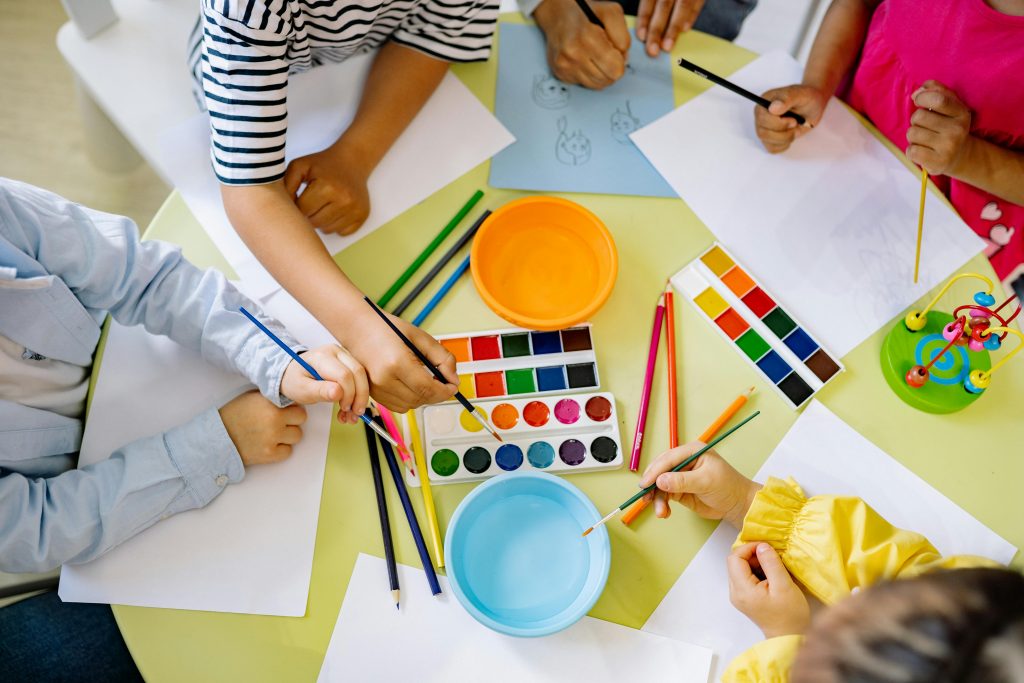
Creative world school Jan 23, 2026Preschoolers are full of ideas. With just a sheet of paper and a few supplies, they can turn a quiet afternoon into an adventure filled with color, shape, and storytelling. Art time gives them space to express themselves, strengthen fine motor skills, and build focus in a way that feels natural.
Art time gives your child a chance to create, explore feelings, and experiment with new ideas. It’s a fun part of the day that also builds important skills. This guide includes simple ways to add more creativity to your routine, along with additional articles that show how art supports your child’s growth and learning.
Open-Ended Art Helps Children Grow Confident and Creative
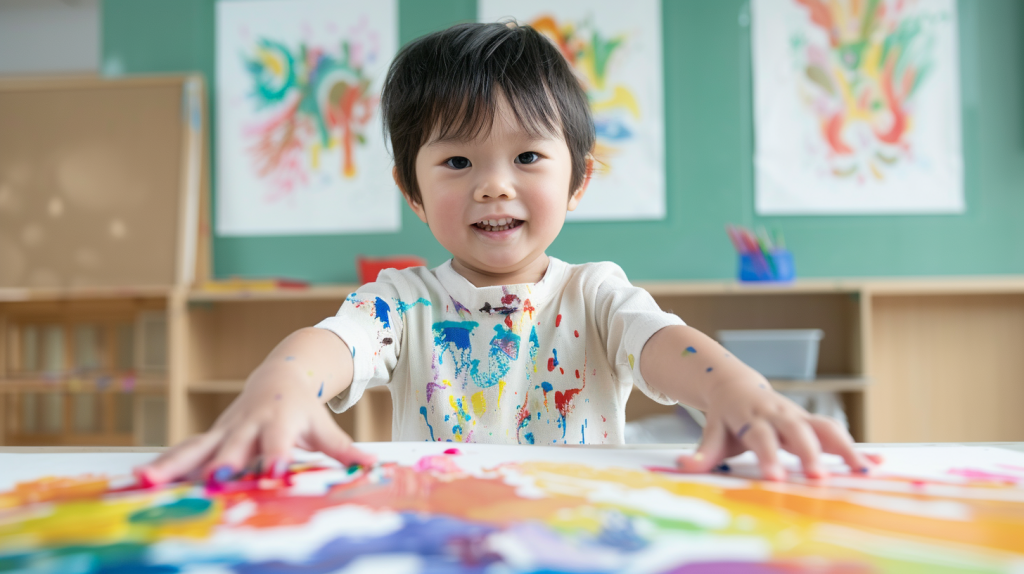
Children love the freedom to experiment. That’s what makes open-ended art such a powerful part of early learning. In The Power of Open-Ended Art: Sparking Creativity in Preschoolers , you’ll learn how offering materials without strict instructions helps your child take creative risks and feel proud of their work.
Instead of copying a sample or aiming for a perfect result, your child is free to create what they imagine. A paper shape might become a rocket ship, or a swirl of paint might tell the story of a rainy day. This process strengthens confidence and gives children space to make decisions. Encourage creative thinking by asking open-ended questions like “What else could you add here?” or “What does this remind you of?” These prompts guide without taking control.
Preschool Art Activities Build Fine Motor Skills
Every time your child paints, cuts, folds, or glues, their hands are getting stronger and more coordinated. Scribbles That Strengthen: How Art Builds Fine Motor Skills in Preschoolers explains how art naturally supports development in the small muscles needed for dressing, eating, writing, and buttoning.
Art projects give children repeated practice with important hand movements. Squeezing clay, using a paintbrush, or threading beads may look like play, but they’re also powerful preparation for school and self-care routines. For added fun, try offering new tools like tongs, textured rollers, or thick chalk. A simple change in material can add a fresh challenge and help your child stay engaged.
Recycled Materials Make Great Preschool Crafts
Art supplies can come from anywhere. Easy Crafts for Kids Using Recycled Materials shows how cereal boxes, cardboard tubes, lids, and scrap paper can turn into robots, sculptures, collages, and more.
Using recycled materials gives your child the chance to invent. It also teaches problem-solving as they figure out how to attach pieces, layer materials, or turn their idea into something they can hold. These projects build creative confidence and show children that imagination matters more than the materials. Create a small bin at home filled with safe, clean recyclables and let your child decide what to make. Ask questions like “What do you think this could become?” and dish out support as needed.
Fall Crafts Offer a Natural Way to Explore Seasons
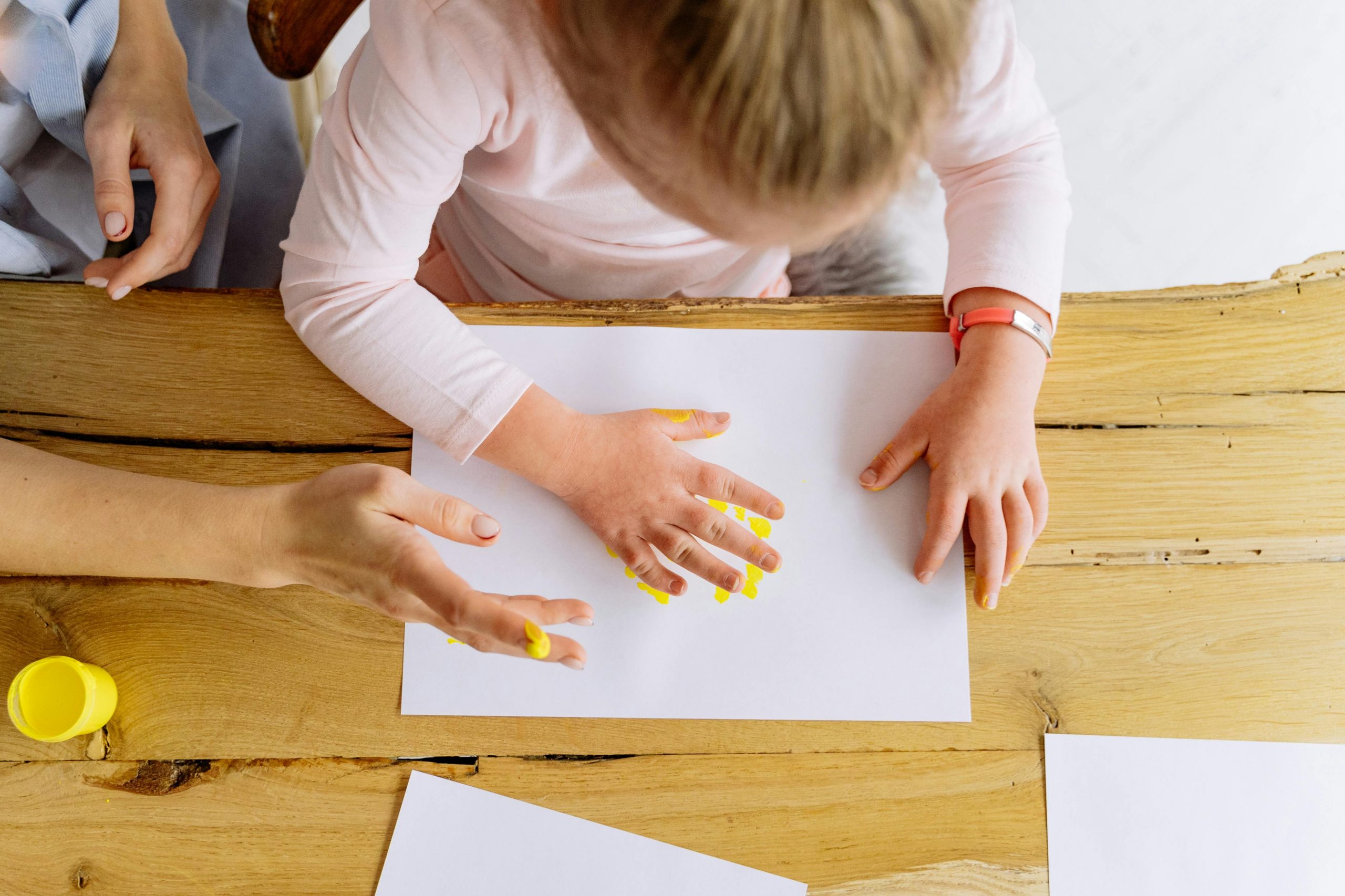
As the seasons change, your child starts noticing new things. The leaves, the light, the cool air—they’re taking it all in. Autumn Crafts: Kid-Friendly Art Projects at Home offers ideas that help your child connect to fall through color, shape, and nature-based textures.
Try a leaf rubbing activity, an apple print painting, or a collage made from collected fall items. These types of crafts help children build language, practice observation, and explore patterns. They also create a deeper connection to the world around them.
After a walk outside, set up a little creative station with what your child collected. Ask, “How could you show me what we saw?” and give them space to explore.
Sensory Art Encourages Emotional Growth and Focus
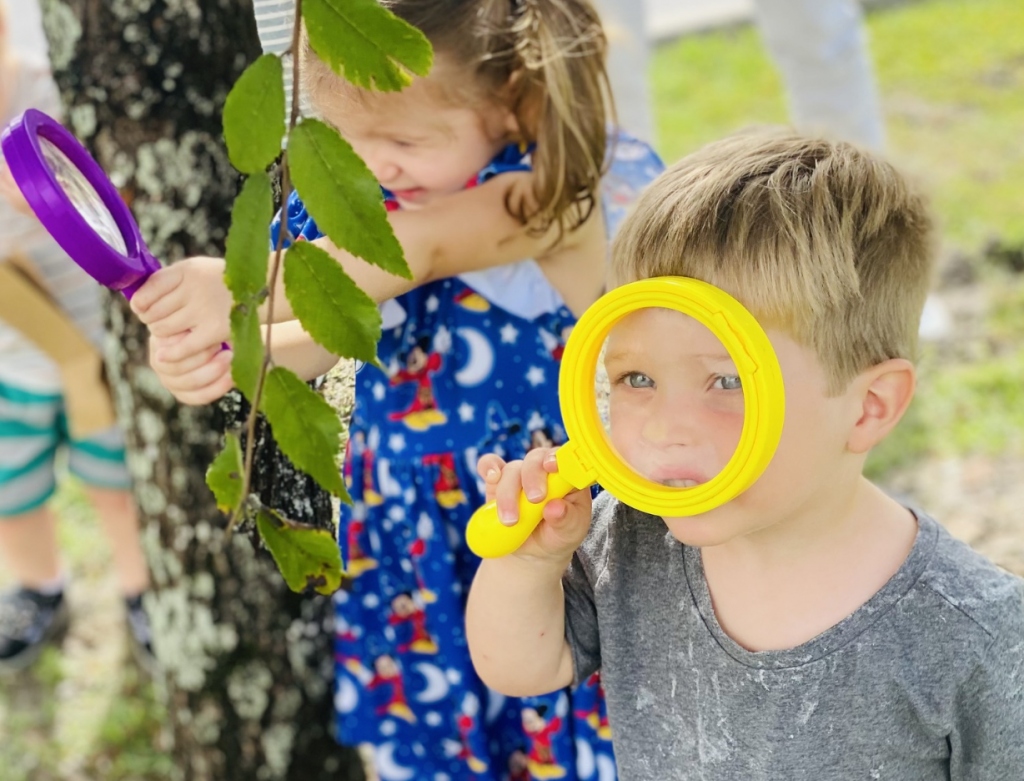
Preschoolers connect deeply to activities that involve movement, texture, and sensation. Scoop, Squish, Splash: Easy DIY Sensory Play Ideas for Curious Toddlers shares playful ways to combine art with sensory experiences like finger painting, clay rolling, sponge stamping, or salt tray drawing. These activities support more than creativity. They help children regulate emotions, stay engaged for longer stretches, and develop a stronger sense of how their bodies and minds work together. Sensory art can be especially helpful during transitions, after high-energy play, or when your child is feeling unsure.
You can keep it simple with a tray of flour and a few tools. Add sound, scent, or color for an extra layer of interest, and let your child lead the process.
Art and Expression Are Part of Every Day at Creative World
At Creative World School, creative play is part of the rhythm of the day. Our Exploratorium™ and classroom art areas are filled with inviting materials children can explore freely. Teachers guide the experience by asking thoughtful questions and encouraging children to express ideas through movement, drawing, painting, and building.
Art shows up in every area of our curriculum. Children build with sensory materials, paint to tell stories, and create group murals. These hands-on opportunities help children build skills they can use across all areas of learning.
Want to see our creative spaces in person? Find your nearest Creative World School and schedule a tour today!

Related Articles
-
A Big Day for Little Learners: Celebrating National Preschooler’s Day
-
A New Era of Early Childhood Education in Apopka, FL
-
Academic Advantage: Educational Resources Near UCF for Preschool Families
-
Airport Adjacent: Teaching Gateway Children About Global Connections

-
Autumn Crafts: Kid-Friendly Art Projects at Home
Categories
- About Creative World (3)
- All About Water (4)
- Altamonte Springs (1)
- Animal Adventures (4)
- Apollo Beach (6)
- Apopka (4)
- Art (5)
- Avalon (2)
- Avalon Park (5)
- Away We Go (3)
- Back to school (4)
- Belton (4)
- Blogs to Share on Social Media (7)
- Bonita Springs (1)
- Brandon (2)
- Brrr... Cold! (2)
- Buggin' Out (2)
- Build It Up Theme (6)
- CampTastic (3)
- Chesapeake (3)
- Childhood Development (33)
- Children Book Recommendations (14)
- Children Quotes (1)
- Children Songs (1)
- Construction Theme (1)
- Contests (1)
- Creative World Curriculum (4)
- Creative World School (2)
- Crosscreek (4)
- CW Activity (2)
- CW Books (11)
- CW Celebrates (10)
- CW Character Traits (1)
- CW Educational Focus (4)
- CW Spotlight (1)
- Cypress Springs (3)
- Delicious Recipes (2)
- Did You Know? (1)
- Down To Earth (3)
- Early Education (19)
- Education (7)
- Estero (8)
- Fall Activities (10)
- Fall Festival (1)
- Fishhawk (3)
- Food (2)
- Franchise (1)
- Franklin Township (4)
- Friendship Theme (1)
- Fun National Holidays (19)
- Georgetown, TX (3)
- Health & Safety (5)
- In The Sky (2)
- In The Trees (4)
- iSTEAM (5)
- Katy, TX (5)
- Kindergarten (5)
- Land O' Lakes (3)
- Leander, TX (1)
- Lee's Summit (5)
- Liberty (1)
- Literacy (8)
- Loudoun County, VA (2)
- Mealtimes (1)
- Naples (4)
- New Schools (3)
- North Naples (4)
- Oakstead (4)
- Ooey Gooey (1)
- Orlando (5)
- Our Staff Recommends (2)
- Outdoor Activities (14)
- Oviedo (4)
- Parenting (62)
- Parenting Advice (60)
- People We Know (3)
- psychology (1)
- Rivercrest (1)
- Riverview (4)
- RiverWalk (1)
- School Events (3)
- School Readiness (5)
- Sensory Play (2)
- social-emotional (3)
- Space Topic (1)
- Special Events (17)
- St. Cloud (1)
- St. Cloud (5)
- Starkey Ranch (5)
- STEAM (5)
- Summer (3)
- Summer Activities (38)
- Tampa (6)
- That's Me! (2)
- Tips (3)
- To The Grocery Store (2)
- Try this with your kids! (4)
- Tuition (1)
- TX (1)
- UCF (5)
- Uncategorized (72)
- Vinings (2)
- water (1)
- We're SERIOUS about PLAY (2)
- Week of the Young Child (2)
- Wesley Chapel (2)
- Winter Activities (3)