
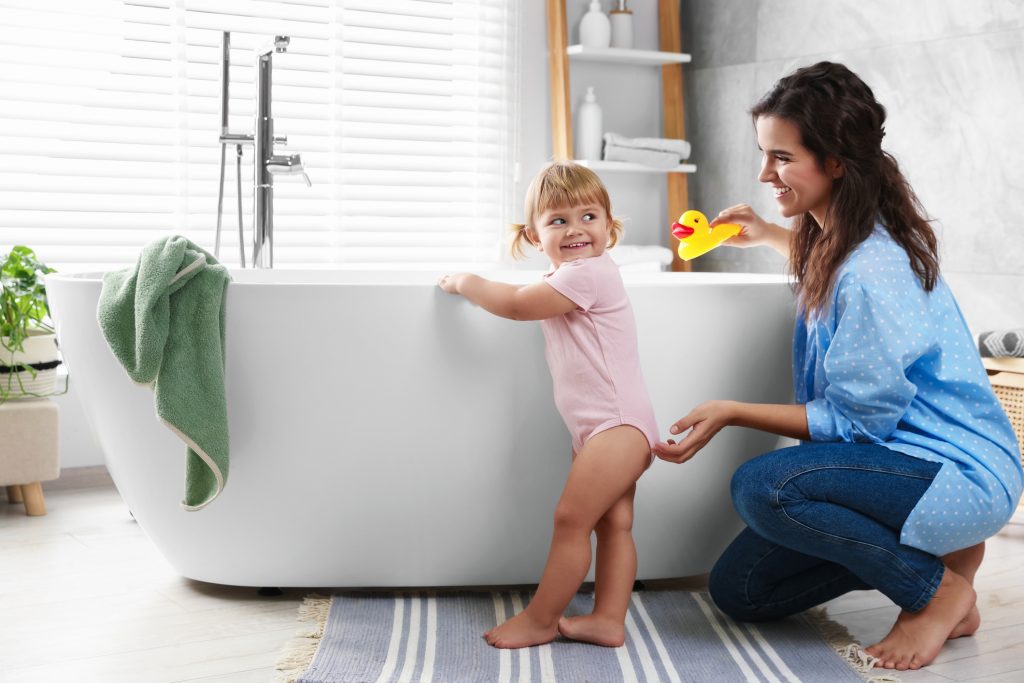
National Bubble Bath Day Ideas Your Toddler Will Happily Splash Into
Creative world school Jan 16, 2026Now that the holidays are over, and schedules are back in full swing, it’s easy to let the weather keep most of us indoors. That’s why National Bubble Bath Day, celebrated every January 8, is such a welcome surprise. It turns an ordinary bath into something fun and playful, especially for young children who already see the tub as a mini adventure.
Now’s the time you might be wondering if it’s even a real holiday. It is! While it won’t get you a day off because it’s not a federal holiday, it shows up on calendars and gets celebrated in homes, classrooms, and kids’ activity groups across the country. For families with preschoolers, it’s a simple way to shake up your routine, lean into something silly, and share a few more giggles during the winter slump.
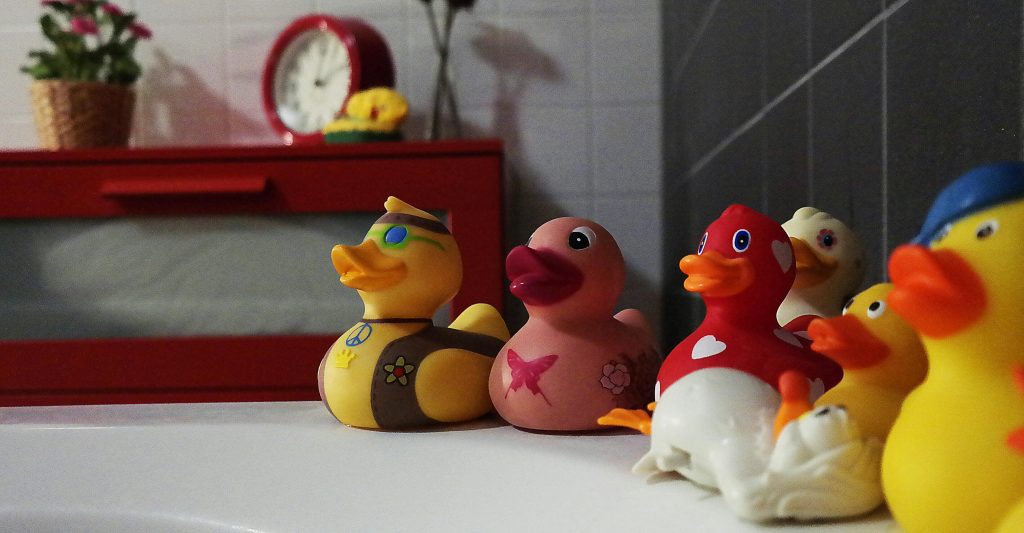
The Story Behind the Suds
So where did National Bubble Bath Day come from? Like a lot of modern observance days, it began as a fun way to highlight self-care and help people slow down after the busy holidays. Bath product companies joined in. Then parents, teachers, and caregivers picked it up because, honestly, kids already love bubbles.
January 8 lands at just the right moment. It’s close enough to the holidays that we’re still feeling the reset, but far enough in that consistent preschooler routines have fully returned. A bubble bath feels like the kind of comfort and calm we all need after long, cold days. And for your child, it’s more than cozy. It’s exciting.
Optimize Bathtime for Learning
Bath time is full of sensory learning and open-ended play. Scooping, pouring, swirling, and pretending to swim all help build brain connections. Your child is building fine motor skills, practicing coordination, and strengthening imagination.
Pretending that bubbles are whipped cream or snow introduces basic concepts in symbolic representation, a key part of early literacy and creative thinking. Watching bubbles form, rise, and burst offers a playful introduction to physics and chemistry, including ideas like surface tension, buoyancy, and states of matter. Believe it or not, when children stay in the tub longer than usual, they’re experimenting, observing cause and effect, and building the foundations of scientific thinking!
Bath time also supports emotional regulation by calming the nervous system. Warm water switches on the parasympathetic response, which helps slow breathing and heart rate. The steady routine and sensory input create a predictable, soothing environment where children can release tension and shift into a more relaxed state. This gentle transition is perfect for preparing their body and brain for bedtime.
How to Make January 8 Feel Special
If your child’s old enough to sit up safely in the tub (this is usually around 6 months with close supervision, and confidently by toddlerhood) you’re already halfway there. Just let them know it’s a special day for bubbles. Let them help pour in the soap, choose a favorite toy, or pick out a bath time playlist.
A few small additions can make it even more fun. Try adding bath-safe color drops, a silly bath hat, or a few new tools like plastic measuring cups or a soft washcloth puppet. Skip anything with small parts or things like glow sticks that could break open. Stick to mold-free toys made for bath time play.
Before or after the bath, you can keep the cozy mood going with a story that fits the theme. Bubble Trouble by Margaret Mahy turns a tub full of bubbles into a silly rhyming adventure that’s fun to read out loud. If your child likes familiar characters, Maisy Takes a Bath by Lucy Cousins is a sweet, simple way to talk about everyday routines. And for a fun guessing game, Who’s in the Tub? by Sylvie Jones adds a playful surprise as different animals pop up through the bubbles. These stories are great for winding down and keeping the bath time fun going a little longer.
Make It a Moment That Matters
For your preschooler, it’s a chance to slow down, reset, and be close to you at the end of a busy day. These quiet minutes often become the backdrop for some of your most connected moments. You might talk about the day, make up silly games, or just sit nearby while they play. When you pause and stay present, even for a short while, it shows your child that they matter.
At this age, children start to understand what it means to take care of themselves. They’re learning how to wash their bodies, brush their teeth, and dry off with a little more independence. They may not know the word “self-care,” but they’re building it piece by piece.
Bath time also makes room for one-on-one connection. Think about it. This is often one of the few parts of the day when nothing else is competing for your attention. The pace slows down, the routine is familiar, and your child knows you’re right there. That rhythm helps your child unwind and feel settled, and your presence adds a sense of comfort they can rely on. This is when stories from the day come out, when you make up silly games with bath toys, when laughter feels easy, or when quiet feels just as good. Sitting together, talking, or simply being close builds trust and security over time. These are the moments that tend to stay with children, long after the bubbles have gone down the drain.
Where Self-Care Meets Early Learning
At Creative World School, we know that everyday routines shape the way children learn and grow. A soft blanket during storytime, a parent’s voice during cleanup, and a warm, playful bath at home can all create structure and connection. When children feel cared for and comfortable, they feel more confident exploring their world.
That sense of comfort is built into everything we do. From circle time in the morning to water play in the afternoon to calm transitions before pick-up, our classrooms are designed to support emotional growth and hands-on learning throughout the day. Every routine, no matter how simple, is an opportunity to build trust and spark curiosity.
If you’re looking for a preschool that understands the power of daily rhythms and the joy of small moments, we’d love to show you around. Find a Creative World School near you and schedule a tour to see how we help children feel confident, curious, and ready to learn from day one.

Related Articles
-
10 Storytime Favorites for Random Acts of Kindness Day

-
10 Sweet and Simple Valentine’s Day Ideas Preschoolers Will Love

-
20 Wacky Animal Facts to Celebrate World Animal Day
-
38 Surprising Facts to Celebrate Read Across America Day

-
Celebrate 100 Years of Wonder with 10 Magical Winnie the Pooh Day Facts
Categories
- About Creative World (3)
- All About Water (3)
- Altamonte Springs (1)
- Animal Adventures (3)
- Apollo Beach (4)
- Apopka (3)
- Art (3)
- Avalon (2)
- Avalon Park (4)
- Away We Go (3)
- Back to school (1)
- Belton (2)
- Blogs to Share on Social Media (7)
- Brandon (1)
- Brrr... Cold! (2)
- Buggin' Out (2)
- Build It Up Theme (6)
- Chesapeake (1)
- Childhood Development (25)
- Children Book Recommendations (13)
- Children Quotes (1)
- Children Songs (1)
- Construction Theme (1)
- Contests (1)
- Creative World Curriculum (3)
- Crosscreek (3)
- CW Activity (2)
- CW Books (11)
- CW Celebrates (10)
- CW Character Traits (1)
- CW Educational Focus (4)
- CW Spotlight (1)
- Cypress Springs (1)
- Delicious Recipes (2)
- Did You Know? (1)
- Down To Earth (3)
- Early Education (19)
- Education (7)
- Estero (1)
- Fall Activities (3)
- Fall Festival (1)
- Fishhawk (1)
- Food (2)
- Franklin Township (1)
- Fun National Holidays (7)
- Health & Safety (1)
- In The Sky (2)
- In The Trees (4)
- iSTEAM (1)
- Katy, TX (3)
- Land O' Lakes (1)
- Lee's Summit (3)
- Liberty (1)
- Literacy (6)
- Mealtimes (1)
- Naples (2)
- North Naples (2)
- Oakstead (2)
- Ooey Gooey (1)
- Orlando (2)
- Our Staff Recommends (2)
- Outdoor Activities (4)
- Oviedo (2)
- Parenting (50)
- Parenting Advice (30)
- People We Know (3)
- psychology (1)
- Rivercrest (1)
- Riverview (2)
- RiverWalk (1)
- School Events (1)
- School Readiness (1)
- Sensory Play (1)
- social-emotional (2)
- Space Topic (1)
- Special Events (15)
- St. Cloud (5)
- Starkey Ranch (4)
- STEAM (5)
- Summer (3)
- Summer Activities (2)
- Tampa (3)
- That's Me! (2)
- Tips (3)
- To The Grocery Store (2)
- Try this with your kids! (3)
- Tuition (1)
- TX (1)
- UCF (2)
- Uncategorized (67)
- Vinings (1)
- water (1)
- We're SERIOUS about PLAY (2)
- Week of the Young Child (1)
- Wesley Chapel (1)
- Winter Activities (3)