
Inquiry Learning Explained: The Surprisingly Simple Approach Behind Preschool Curiosity
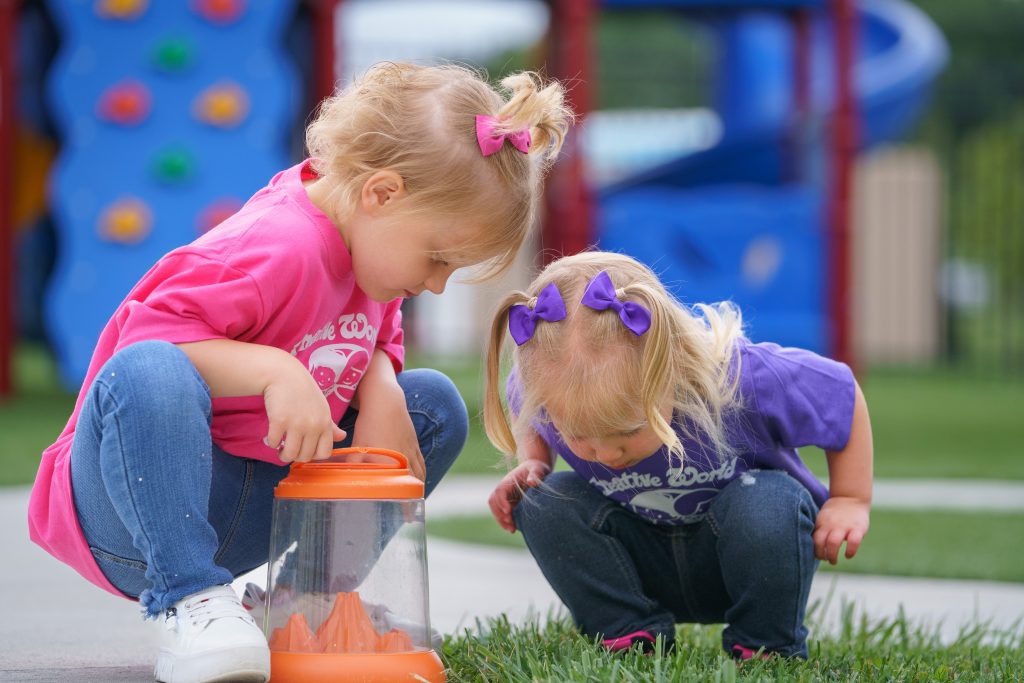
Creative world school Dec 22, 2025Inquiry-based learning might sound like something out of a graduate textbook, but it’s really just a fancy name for the way young children naturally explore the world. Preschoolers are born investigators. They squish, stack, stir, mix, scoop, listen, watch, and poke everything in front of them. They ask nonstop questions because they’re trying to understand how things work. Inquiry takes those everyday moments of curiosity and treats them as meaningful learning.
Before inquiry had a name, educators were already noticing that children learn best when they’re involved, engaged, and following their own questions. They were watching children do what children do best and thinking, “This is real thinking. This is real learning.” Inquiry didn’t start in a lab or at a university. It started by paying attention to children.

Where Inquiry Learning Began
In the early 1900s, American philosopher John Dewey began studying the way children learn. He observed that children learn through experience. When they’re curious, their brains wake up. When they explore something real, their ideas grow. Dewey believed classrooms should reflect how children actually think, not how adults assume they think.
Around the same time, Swiss psychologist Jean Piaget was watching children play, build, problem solve, and explore. He noticed that children develop understanding in stages and that they make sense of the world through hands-on action. A child who keeps dropping a spoon from their highchair isn’t trying to make you crazy. They’re learning about gravity, cause and effect, and consistency.
Researchers after Piaget continued to study early learning and found the same pattern over and over again. When children explore freely, they build stronger connections in the brain. When they test ideas through play, they remember the experience long after they forget a vocabulary word or a lecture. Inquiry-based learning grew naturally out of these observations.
Over time, inquiry became a common approach in early childhood classrooms because it aligns with the way preschoolers already think. Kids do not wait for permission to explore. They see something new, they wonder about it, and they go right to work figuring it out. Inquiry learning simply respects that natural process and gives it room to flourish.
How Inquiry Fits Into Everyday Preschool Life
Inquiry often begins in those tiny moments when a child notices something and a teacher leans in with genuine interest. Maybe a preschooler is stirring water at the sensory table and suddenly says, “It’s getting cloudy.” The teacher crouches beside them and asks, “Hmm… what do you think is making it cloudy?” The child stirs faster, watches closely, and says, “Maybe the soap is mixing in.”
Out on the playground, a child rolls a toy car down the slide and frowns when it stops halfway. The teacher joins them and says, “It didn’t make it to the bottom this time. What do you think changed?” The child tries again, this time pushing a little harder, then announces, “It needs more speed.”
In the block area, a child’s tower collapses for the third time. Instead of fixing it, the teacher sits nearby and says, “You’re really working hard on this. What do you think made it fall?” The child points to one side and says, “This part wiggled,” then swaps the block for a bigger one to test their idea. These are the kinds of simple, everyday moments where inquiry takes root. A child wonders about something, a teacher invites them to look closer, and the back-and-forth turns curiosity into real thinking.
How Inquiry Fits Into Everyday Preschool Life
Inquiry often begins in those tiny moments when a child notices something and a teacher leans in with genuine interest. Maybe a preschooler is stirring water at the sensory table and suddenly says, “It’s getting cloudy.” The teacher crouches beside them and asks, “Hmm… what do you think is making it cloudy?” The child stirs faster, watches closely, and says, “Maybe the soap is mixing in.”
Out on the playground, a child rolls a toy car down the slide and frowns when it stops halfway. The teacher joins them and says, “It didn’t make it to the bottom this time. What do you think changed?” The child tries again, this time pushing a little harder, then announces, “It needs more speed.”
In the block area, a child’s tower collapses for the third time. Instead of fixing it, the teacher sits nearby and says, “You’re really working hard on this. What do you think made it fall?” The child points to one side and says, “This part wiggled,” then swaps the block for a bigger one to test their idea. These are the kinds of simple, everyday moments where inquiry takes root. A child wonders about something, a teacher invites them to look closer, and the back-and-forth turns curiosity into real thinking.
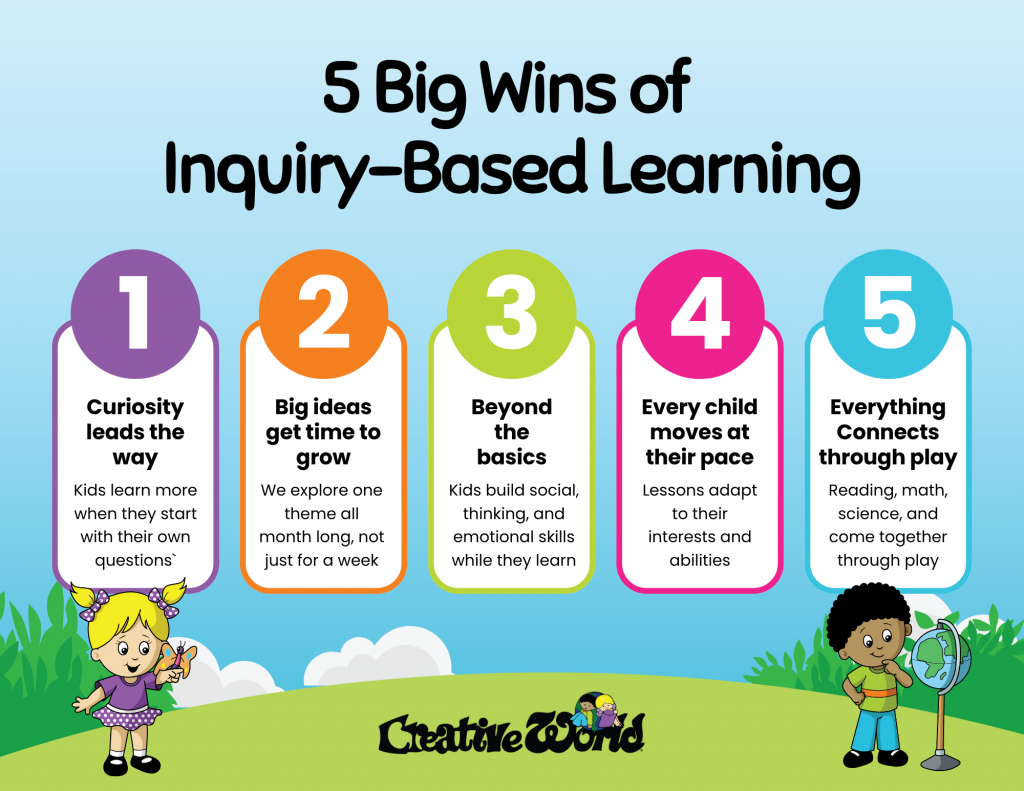
Preschoolers investigate without being told. They test ideas automatically. They ask questions even when no adult is watching. The magic of inquiry is that every question becomes a pathway to deeper thinking. Here are a few ways inquiry naturally shows up:
A group of children mix paint to see how many colors they can create. They discover a new shade and try to repeat it. Through this, they learn about color theory, trial and error, and patterns. A child compares two leaves and wonders why one has more veins. The teacher encourages them to look closer, draw what they see, and describe differences. Suddenly they’re practicing observation, language, and early science.
Two friends try to build a bridge out of blocks. It collapses. They giggle, rebuild, and adjust their design. Without knowing it, they’re practicing engineering skills and teamwork. Inquiry supports early literacy, math, science, and emotional growth without forcing it. Children learn through movement, conversation, and hands on play.
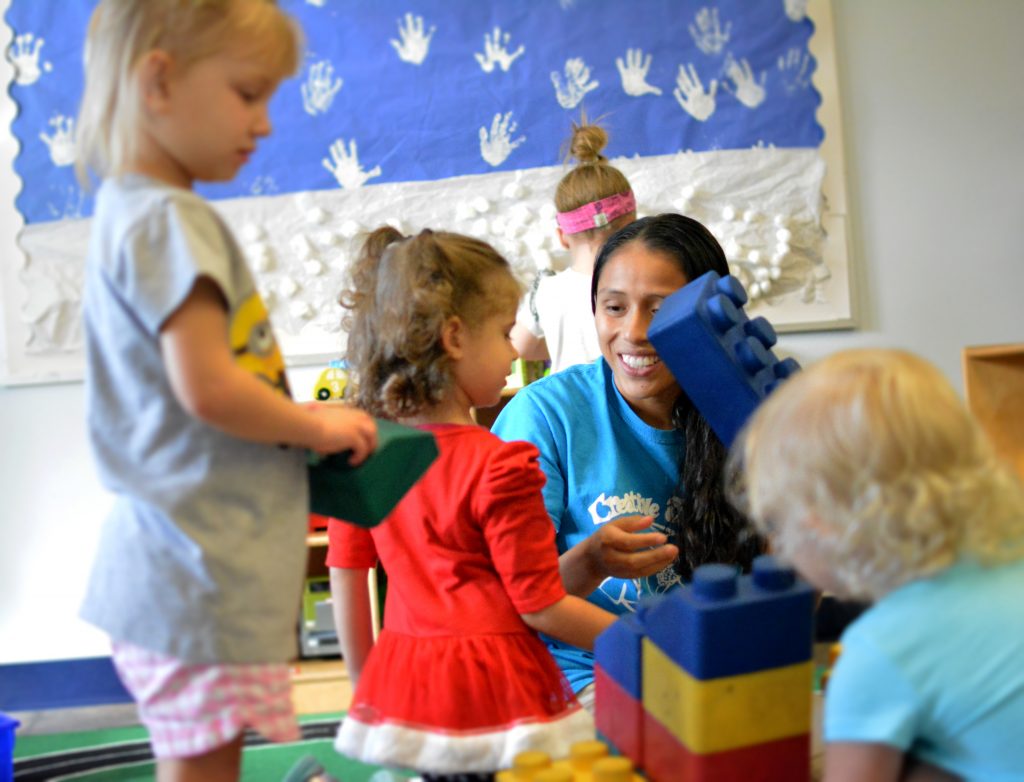
Why Inquiry Matters in the Age of AI
Children today are growing up surrounded by technology. Smart devices answer questions in seconds. Tools can recognize voices, images, and even emotions. While all of this technology can be helpful, it cannot replace the thinking skills that develop through hands-on exploration.
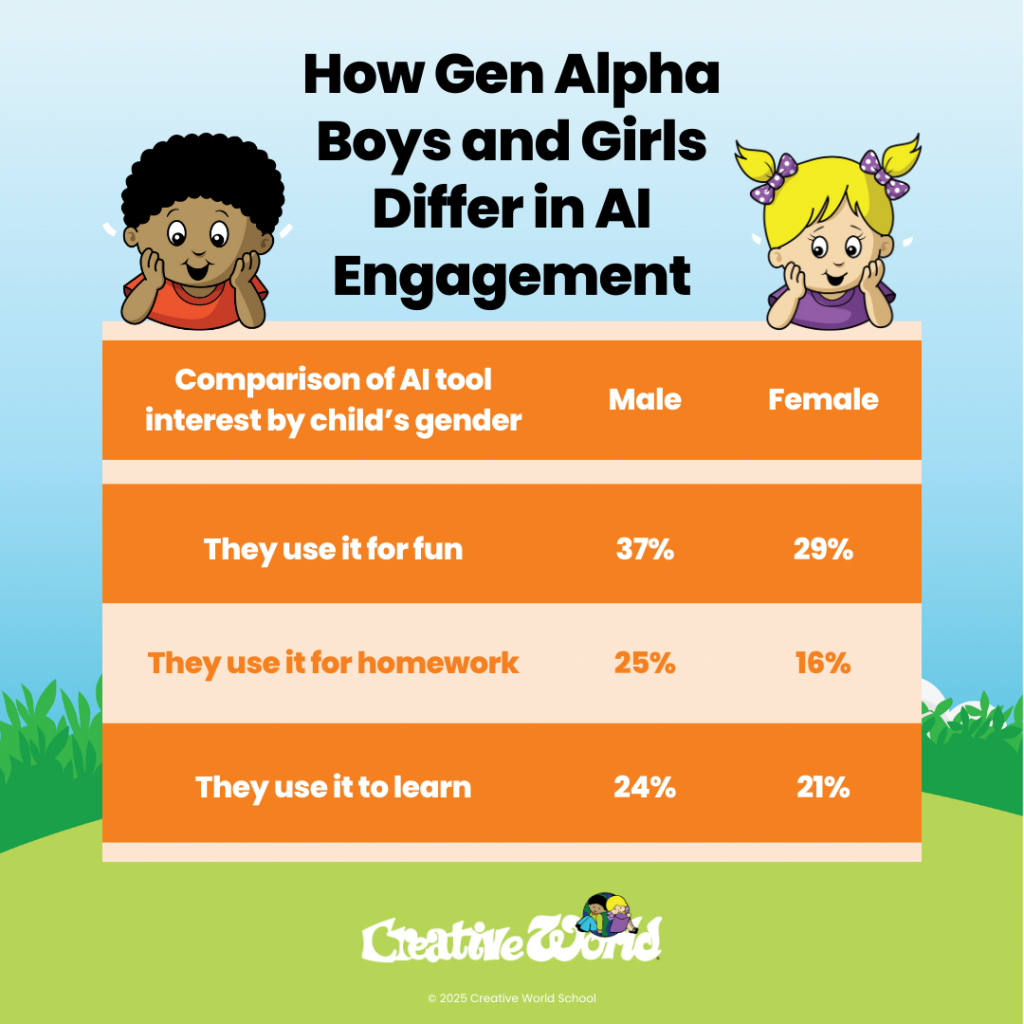
Source: Hosting Advice – https://www.hostingadvice.com/studies/gen-alpha-ai-survey/
Inquiry teaches children how to form their own questions, not just repeat the ones they hear. It helps them look closely at the world and make decisions based on real evidence. It encourages creativity when answers are not obvious. These skills support children in using technology wisely and thoughtfully as they grow. As AI becomes more common in daily life, the ability to think independently becomes even more valuable. Inquiry builds that independence. A child who knows how to wonder, explore, and figure things out will grow into an adult who can question, innovate, imagine, and problem solve in a world filled with constant change.
Inquiry Learning Made Simple and Meaningful
Inquiry usually begins with noticing something interesting. A teacher or parent might say, “What do you see?” or “What do you think is happening?” These questions invite deeper thinking without stealing the excitement of discovery.
Children remember learning that comes from experience. When they sort, mix, build, look closely, compare, collect, measure, and test, their brains form strong connections. Inquiry celebrates this natural learning process. It gives children the freedom to try, observe, rethink, and try again. That rhythm of curiosity builds persistence and confidence too. Inquiry teaches children that their ideas matter. When they solve a problem or discover something new, the pride they feel becomes part of the learning. Those emotional connections strengthen their sense of independence and capability.
Inquiry Lives at Creative World School
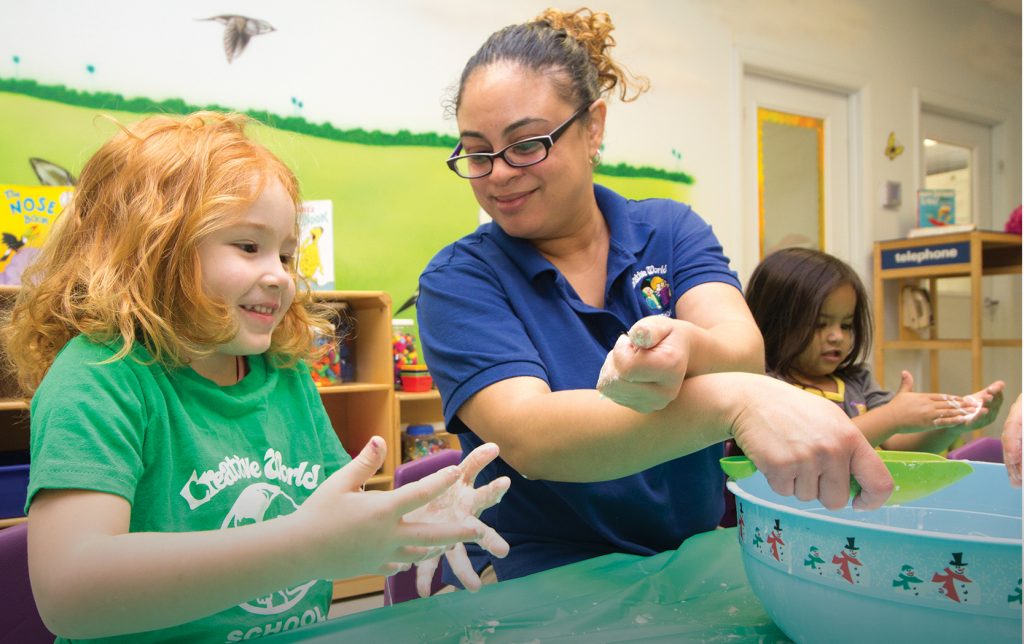
At Creative World School, inquiry is at the heart of everything we do across our campuses nationwide. Our signature Exploratorium encourages children to explore materials, follow their curiosity, and build understanding in hands-on ways. Teachers help guide thinking with simple, open ended questions that deepen exploration without interrupting the joy of discovery.
Inquiry makes learning feel exciting and personal. It celebrates curiosity, supports creativity, and helps children grow into confident thinkers who love learning.
Ready to see inquiry in action. Find your nearest Creative World School and schedule a tour.


Categories
- About Creative World (3)
- All About Water (3)
- Altamonte Springs (1)
- Animal Adventures (3)
- Apollo Beach (4)
- Apopka (3)
- Art (3)
- Avalon (2)
- Avalon Park (4)
- Away We Go (3)
- Back to school (1)
- Belton (2)
- Blogs to Share on Social Media (7)
- Brandon (1)
- Brrr... Cold! (2)
- Buggin' Out (2)
- Build It Up Theme (6)
- Chesapeake (1)
- Childhood Development (25)
- Children Book Recommendations (13)
- Children Quotes (1)
- Children Songs (1)
- Construction Theme (1)
- Contests (1)
- Creative World Curriculum (3)
- Crosscreek (3)
- CW Activity (2)
- CW Books (11)
- CW Celebrates (10)
- CW Character Traits (1)
- CW Educational Focus (4)
- CW Spotlight (1)
- Cypress Springs (1)
- Delicious Recipes (2)
- Did You Know? (1)
- Down To Earth (3)
- Early Education (19)
- Education (7)
- Estero (1)
- Fall Activities (3)
- Fall Festival (1)
- Fishhawk (1)
- Food (2)
- Franklin Township (1)
- Fun National Holidays (7)
- Health & Safety (1)
- In The Sky (2)
- In The Trees (4)
- iSTEAM (1)
- Katy, TX (3)
- Land O' Lakes (1)
- Lee's Summit (3)
- Liberty (1)
- Literacy (6)
- Mealtimes (1)
- Naples (2)
- North Naples (2)
- Oakstead (2)
- Ooey Gooey (1)
- Orlando (2)
- Our Staff Recommends (2)
- Outdoor Activities (4)
- Oviedo (2)
- Parenting (51)
- Parenting Advice (32)
- People We Know (3)
- psychology (1)
- Rivercrest (1)
- Riverview (2)
- RiverWalk (1)
- School Events (1)
- School Readiness (1)
- Sensory Play (1)
- social-emotional (2)
- Space Topic (1)
- Special Events (15)
- St. Cloud (5)
- Starkey Ranch (4)
- STEAM (5)
- Summer (3)
- Summer Activities (2)
- Tampa (3)
- That's Me! (2)
- Tips (3)
- To The Grocery Store (2)
- Try this with your kids! (3)
- Tuition (1)
- TX (1)
- UCF (3)
- Uncategorized (67)
- Vinings (1)
- water (1)
- We're SERIOUS about PLAY (2)
- Week of the Young Child (1)
- Wesley Chapel (1)
- Winter Activities (3)