
What to Feed My Preschooler? A Parent’s Guide to Nutrition, Snacks, and Mealtime Success
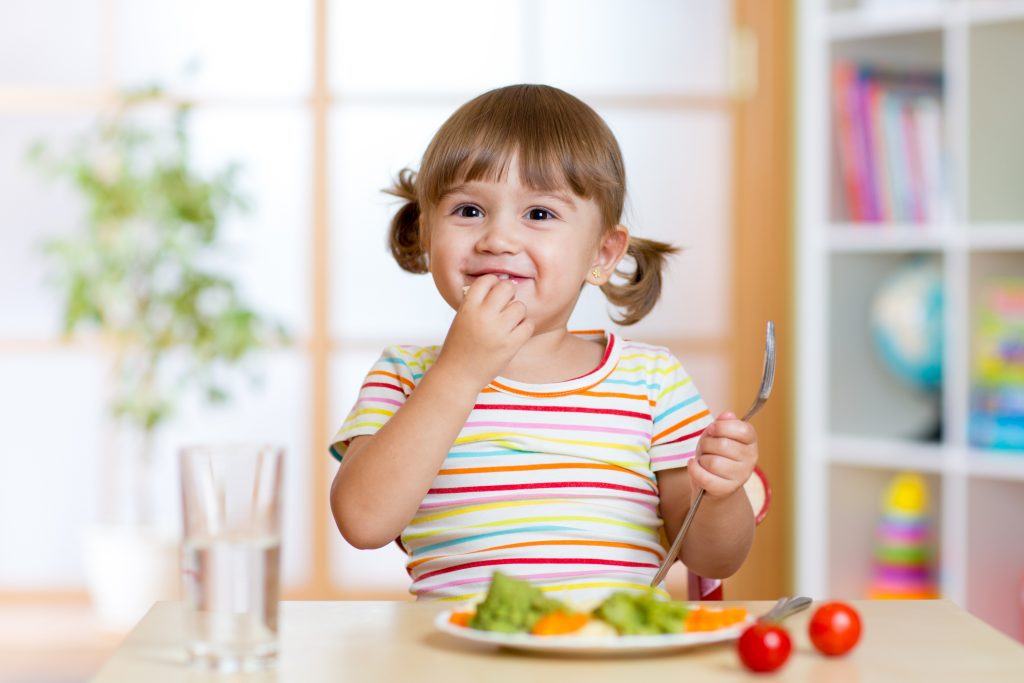
Creative world school Jan 6, 2026One day they’re begging for bananas. The next, they’re suspicious of anything green. Feeding a preschooler can feel like a full-time guessing game. But with some planning and a few smart strategies, it becomes less frustrating and more predictable. When meals are regular, colorful, and calm, your child starts to build a healthy connection to food. It won’t happen overnight, but it does start at the table.
Keep reading for practical ideas that take the pressure off parents and help your child enjoy nutritious meals and snacks. You’ll also find links to trusted resources that support your family’s food journey, from picky phases to packed lunches.
What Makes a Balanced Diet for Preschoolers?
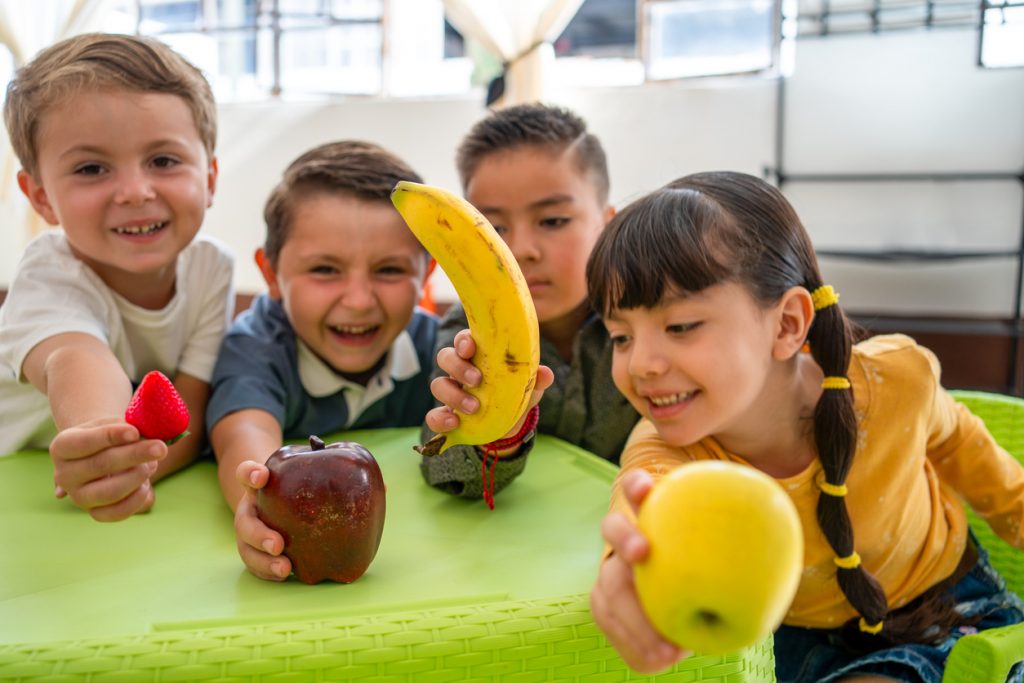
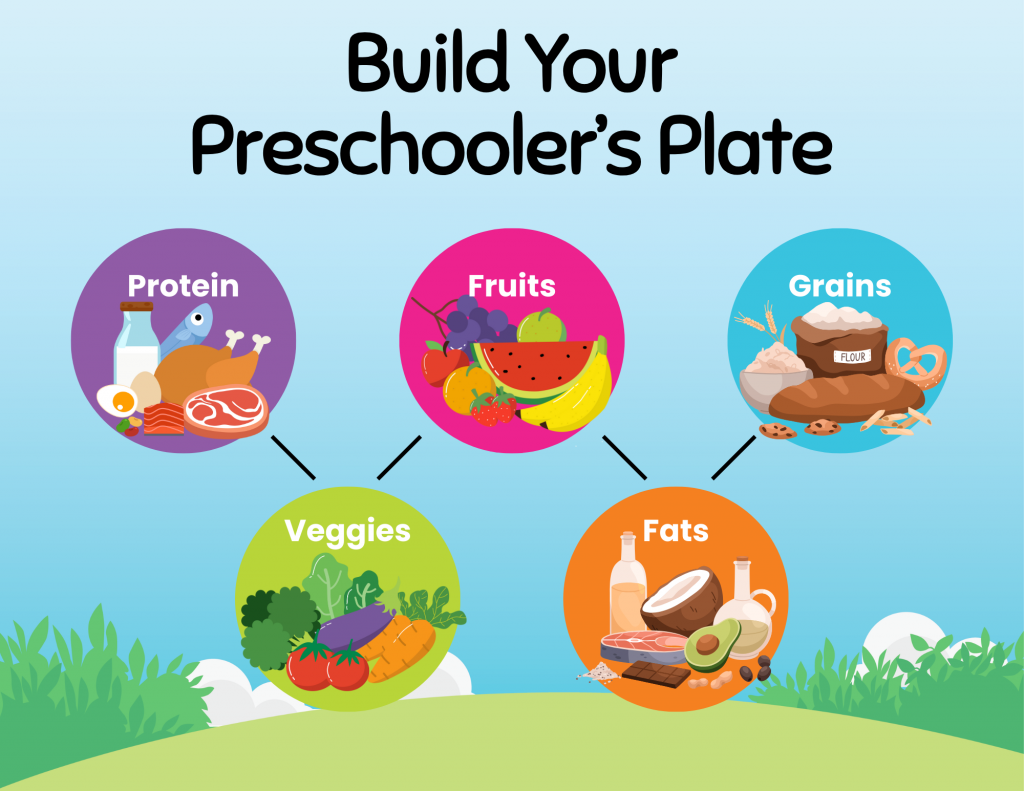
Preschoolers are constantly growing, learning, and moving, so their food needs are all about fueling that development. A balanced preschool diet includes protein for strength, fruits and vegetables for vitamins and fiber, grains for energy, and dairy for bone health. These don’t need to be complicated combinations, but they should be offered across the day in a variety of forms.
Balance doesn’t mean every plate looks perfect. Some days may lean heavier on grains or fruit, and that’s okay. What matters is the big picture: offering your child a range of foods over time. Repetition helps, too. Children often need multiple exposures to a new food before they’re ready to try it. The Power of Balanced Meals in Early Childhood shares a simple breakdown of how to work toward balance without stress.
Healthy Snack Ideas for Preschoolers
Preschoolers usually eat every few hours, which makes snacks a key part of their daily nutrition. A good snack fills the gap between meals without spoiling the next one. It should offer some protein or fiber to keep kids feeling satisfied and give them steady energy to play, learn, and stay focused.
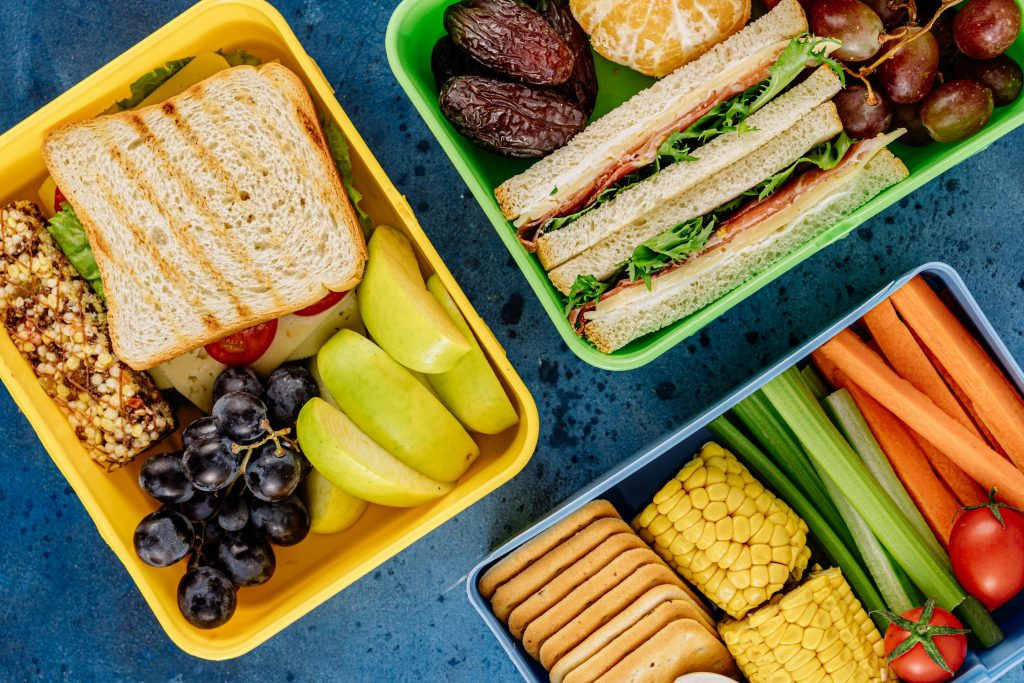
Go for snacks like string cheese with whole grain crackers, sliced apples with sunbutter, or yogurt with berries. These types of foods offer real nourishment and are easy for little hands to manage. Save packaged sweets and chips for occasional treats. Healthy and Delicious Snacks That Preschoolers Will Love has dozens of quick, practical snack combos you can rotate throughout the week.
How to Handle Picky Eating in Preschoolers
Picky eating is common during the preschool years and often linked to a child’s need for independence. While it can feel frustrating, it’s also an important developmental phase. Your role isn’t to control what your child eats, but to decide what’s offered, when, and where. Let them decide how much to eat from what’s available.
Offer a variety of foods consistently without making a big deal if something gets rejected. Avoid pressuring your child to take “just one bite,” and don’t offer rewards for eating. Instead, eat with them when you can and model enjoyment of the same foods. Over time, curiosity tends to win out. For more detailed strategies, 10 Creative Strategies for Introducing New Foods to Picky Toddlers is a great place to start.
Fast and Healthy Breakfasts for Preschoolers
Breakfast doesn’t have to be big, but it should include something nourishing to start the day. Preschoolers benefit from a morning meal that combines protein, healthy fats, and complex carbohydrates. This helps stabilize blood sugar and gives them the energy to stay active and engaged through the first part of the day.
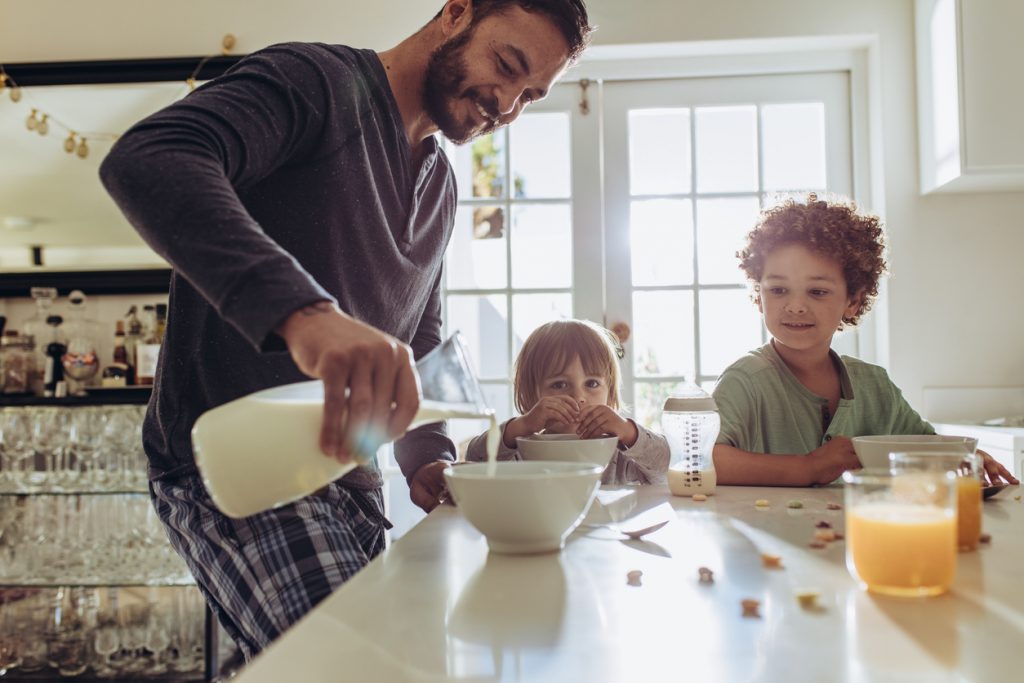
Quick options include whole grain toast with nut butter, eggs and fruit, or a smoothie made with yogurt, banana, and oats. Even a bowl of cereal paired with milk and a fruit side works when time is tight. 7 Fast Yet Nutritious Toddler Breakfasts for Busy Parents includes practical recipes that can be made ahead or pulled together in five minutes or less.
Teaching Preschoolers Healthy Eating Habits
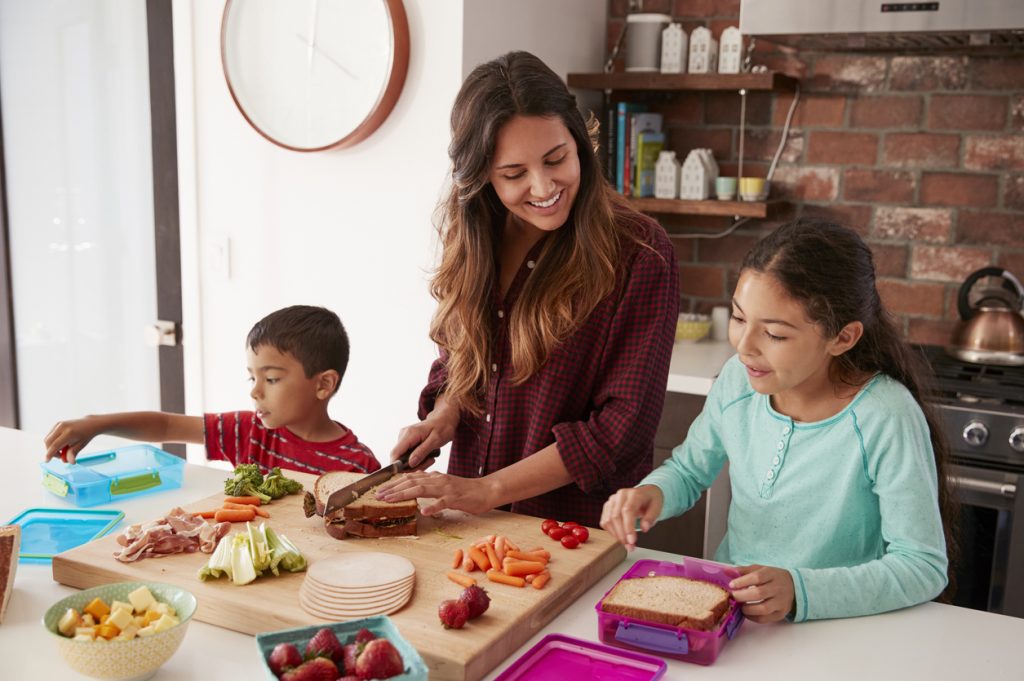
Children build lifelong habits by watching what happens around them. The more positive, low-pressure experiences they have with food, the more comfortable they become trying new things. Talk about what different foods do for the body. Let them help wash fruit, stir batter, or count carrot sticks onto a plate. These simple tasks make them feel involved and build interest.
The goal isn’t to turn meals into lessons—it’s to make healthy eating feel normal and part of everyday life. Teaching Healthy Eating Habits: A Fun and Kid-Friendly Approach offers ways to use everyday moments to build a healthy food culture at home.
Encouraging Healthy Eating Routines at Home
Preschoolers feel more comfortable when meals happen around the same times each day. That rhythm helps them know what to expect, which is especially helpful during those testing-the-limits phases. Try to include a few foods you know your child likes and offer something new alongside it.
Sitting down together for even one meal a day, for just ten minutes, makes a big difference. Kids learn by watching, and that includes watching how you talk about food. If you’re quick to say “I don’t like that” or “that’s gross” your child just might decide they don’t either, before they even try it. Instead, stay neutral or curious. A simple “This one’s new for me too” or “Let’s see what it tastes like today” can keep the mood relaxed and open.
What your child eats in one meal doesn’t tell the whole story. Look at how they’re eating across the week, not just one sitting. With a calm routine and steady exposure, they’ll keep building those healthy habits—one bite at a time.
How We Support Healthy Eating at Creative World School
At Creative World School, we know how much thought you put into feeding your child and we’re right there with you. Mealtimes here are calm, consistent, and built around what young children need to feel comfortable and confident. We serve balanced meals and snacks that include fresh fruits, vegetables, whole grains, and age-appropriate proteins. Everything is served family-style, so children can practice independence, explore new foods at their own pace, and enjoy time with friends.
We follow safe food practices, accommodate dietary needs, and make sure every child has the chance to build healthy habits in a positive way. Whether it’s a regular snack or a special birthday celebration, we approach food with care, flexibility, and a focus on what’s best for growing bodies.
Want to see how healthy habits come to life in our classrooms? Find your local Creative World School and schedule a tour today!

Related Articles
-
A Big Day for Little Learners: Celebrating National Preschooler’s Day
-
A New Era of Early Childhood Education in Apopka, FL
-
Academic Advantage: Educational Resources Near UCF for Preschool Families
-
Airport Adjacent: Teaching Gateway Children About Global Connections

-
Autumn Crafts: Kid-Friendly Art Projects at Home
Categories
- About Creative World (3)
- All About Water (3)
- Altamonte Springs (1)
- Animal Adventures (3)
- Apollo Beach (4)
- Apopka (3)
- Art (3)
- Avalon (2)
- Avalon Park (4)
- Away We Go (3)
- Back to school (1)
- Belton (2)
- Blogs to Share on Social Media (7)
- Brandon (1)
- Brrr... Cold! (2)
- Buggin' Out (2)
- Build It Up Theme (6)
- Chesapeake (1)
- Childhood Development (25)
- Children Book Recommendations (13)
- Children Quotes (1)
- Children Songs (1)
- Construction Theme (1)
- Contests (1)
- Creative World Curriculum (3)
- Crosscreek (3)
- CW Activity (2)
- CW Books (11)
- CW Celebrates (10)
- CW Character Traits (1)
- CW Educational Focus (4)
- CW Spotlight (1)
- Cypress Springs (1)
- Delicious Recipes (2)
- Did You Know? (1)
- Down To Earth (3)
- Early Education (19)
- Education (7)
- Estero (1)
- Fall Activities (3)
- Fall Festival (1)
- Fishhawk (1)
- Food (2)
- Franklin Township (1)
- Fun National Holidays (7)
- Health & Safety (1)
- In The Sky (2)
- In The Trees (4)
- iSTEAM (1)
- Katy, TX (3)
- Land O' Lakes (1)
- Lee's Summit (3)
- Liberty (1)
- Literacy (6)
- Mealtimes (1)
- Naples (2)
- North Naples (2)
- Oakstead (2)
- Ooey Gooey (1)
- Orlando (2)
- Our Staff Recommends (2)
- Outdoor Activities (4)
- Oviedo (2)
- Parenting (50)
- Parenting Advice (30)
- People We Know (3)
- psychology (1)
- Rivercrest (1)
- Riverview (2)
- RiverWalk (1)
- School Events (1)
- School Readiness (1)
- Sensory Play (1)
- social-emotional (2)
- Space Topic (1)
- Special Events (15)
- St. Cloud (5)
- Starkey Ranch (4)
- STEAM (5)
- Summer (3)
- Summer Activities (2)
- Tampa (3)
- That's Me! (2)
- Tips (3)
- To The Grocery Store (2)
- Try this with your kids! (3)
- Tuition (1)
- TX (1)
- UCF (2)
- Uncategorized (67)
- Vinings (1)
- water (1)
- We're SERIOUS about PLAY (2)
- Week of the Young Child (1)
- Wesley Chapel (1)
- Winter Activities (3)