
Guiding Social and Emotional Growth in Preschoolers
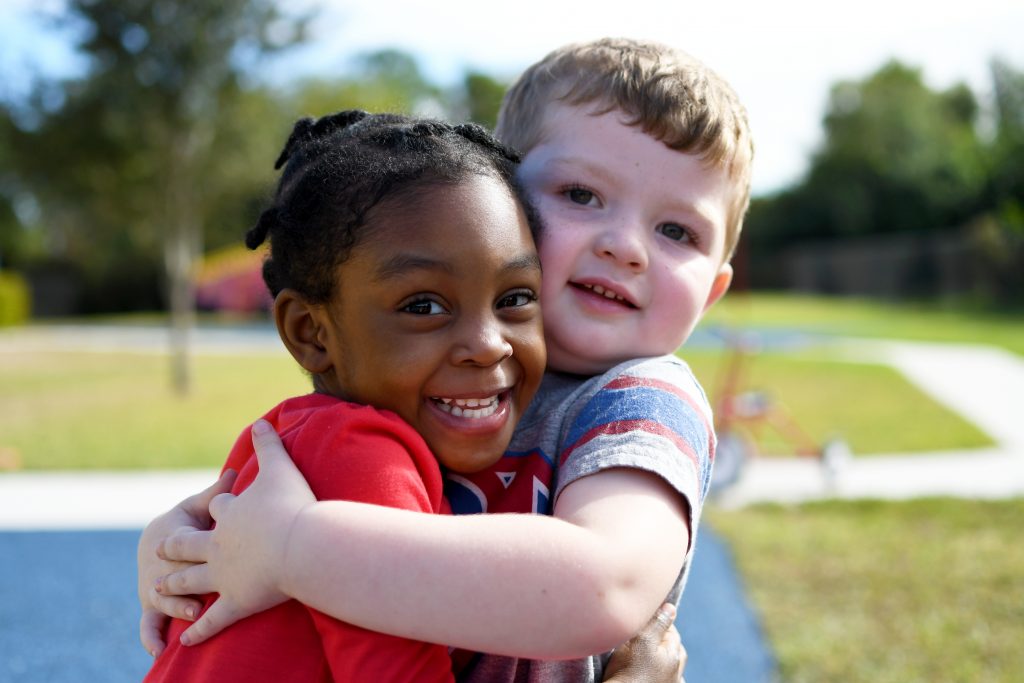
Creative world school Jan 14, 2026Your preschooler’s growing in every direction. They’re learning how to use their voices, share space with others, and handle the big feelings that show up at unexpected times. Social and emotional growth plays just as important a role in early learning as tracing letters or counting blocks. These early skills shape how your child builds friendships, solves problems, and feels confident during their day.
This kind of growth happens through everyday moments. It shows up during block play, mealtime, storytime, and everything in between. Your child is constantly watching, listening, and trying out new ways of reacting and responding. The way you talk about feelings, the space you make for your child’s emotions, and the support you give during tough moments all matter. Here’s what that learning looks like and how you can help guide it at home.
Social and Emotional Growth Starts with Connection
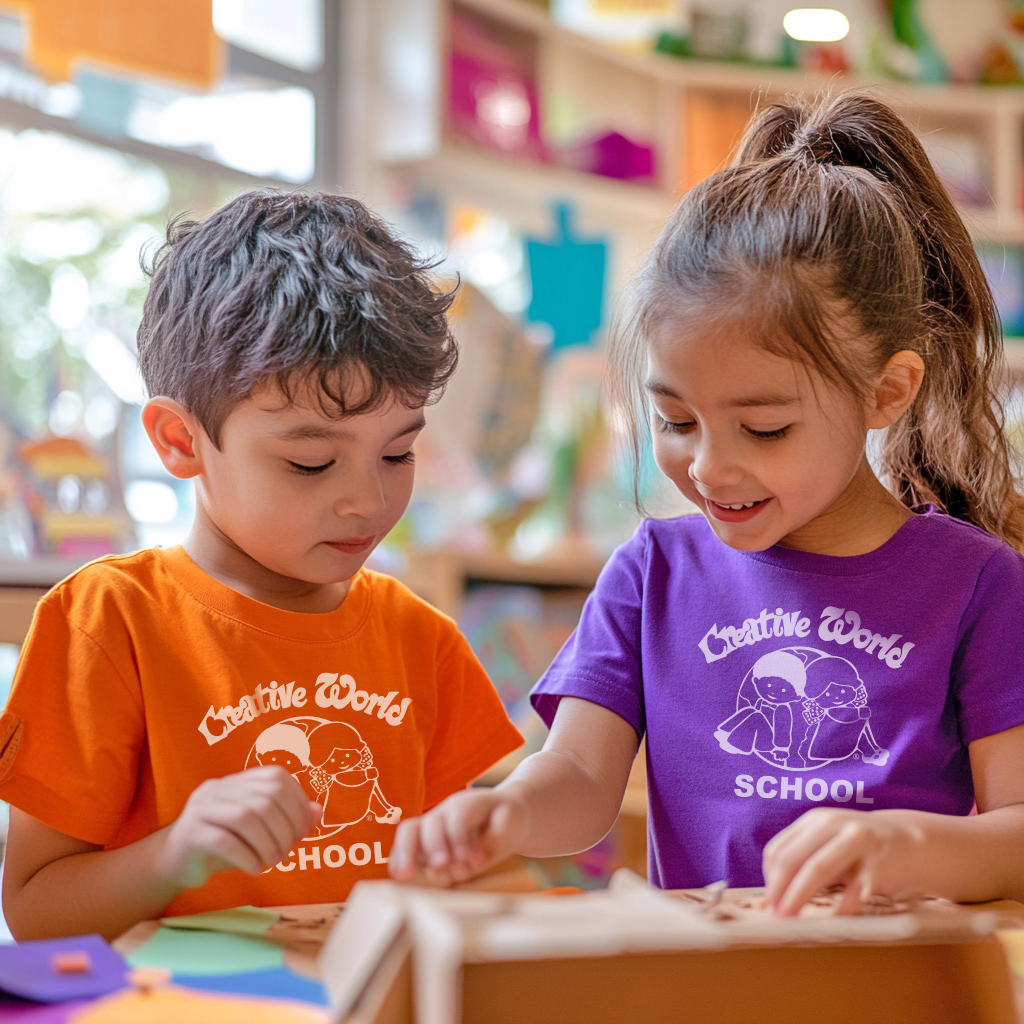
Before your little one can handle big feelings or build friendships, they need to feel safe and connected. That steady sense of belonging helps them open up and learn how to navigate emotions and relationships. Connection doesn’t have to be a big moment. It can be as simple as sitting nearby on a hard day, noticing your child’s body language, or saying, “That was frustrating” when things go sideways.
You’ve probably already seen signs that emotional growth is happening. Maybe your child says, “I’m mad,” instead of yelling. Maybe they hand a toy to a friend who’s feeling sad. These moments might feel small, but they’re a big part of how your child learns to recognize feelings and care about others. Recognizing Early Signs of Emotional Growth in Toddlers helps break it down so you know what to look for and how to support it.
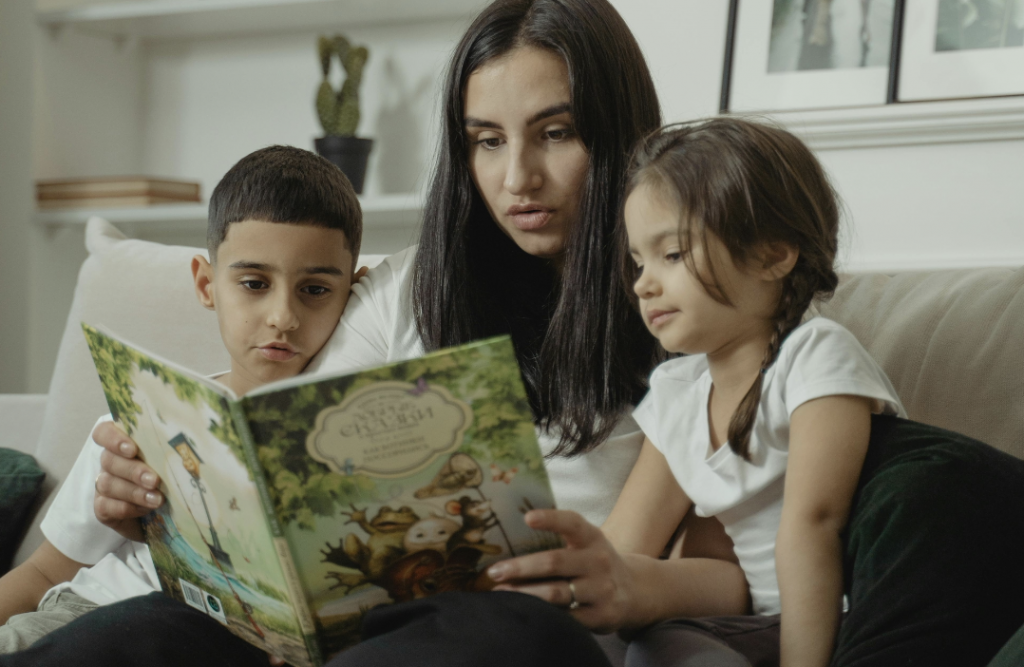
At home, books about feelings, simple language, and everyday conversations are some of the best tools you’ve got. A quick “That made me feel proud” or “That was a little disappointing” helps your child connect emotions to real experiences.
Big Feelings Are Part of the Process
Preschoolers feel things with their whole body. A toy that breaks, a skipped turn, or a sudden change in plans can spark some pretty strong reactions. These big emotions are part of how your child learns to understand the world. What helps most in these moments is staying close and steady. Your child looks to you to figure out what to do with all that energy. After the emotion settles, you can talk about what happened and how to handle it differently next time.
If your days are full of big feelings right now, Coping with Preschool Tantrums: Effective Strategies is a helpful resource filled with doable ways to support your child and protect your own peace along the way.
Your child’s learning how to think about feelings, not just their own, but other people’s too. And one of the best places to practice is during play. It might look like pretending to feed a baby doll, putting a stuffed animal to bed, or saying “shh” when a classmate cries are early ways your child shows empathy in action.
You can help that learning stick by getting involved in the play and asking questions. Try saying, “What do you think the bear needs right now?” or “What could help the puppy feel better?” These simple prompts help your child pause and think about someone else’s experience. Discover the Power of Fostering Empathy Through Play has plenty of ideas for using play to grow empathy at home.
Friendships Take Time and Practice
“Can I play too?” might be the most important question your preschooler learns to ask. Friendship at this age is built one block tower, snack swap, and silly song at a time. They’re also learning how to take turns, listen, share space, and work through little conflicts. These skills take time, and they grow through trial and error. One day your child may jump right into play, and the next day they may feel unsure or need a little help joining in.
That’s normal. Social growth comes from repeated chances to try again. Every group game, classroom cleanup, or shared snack is an opportunity to figure out how to connect with others.
Support your child by planning short playdates, modeling friendly greetings, and pointing out kind behavior when you see it. Helping Your Child Make Friends in Preschool walks you through what friendship looks like at this age and how to encourage it.
Goodbyes Build Confidence Too
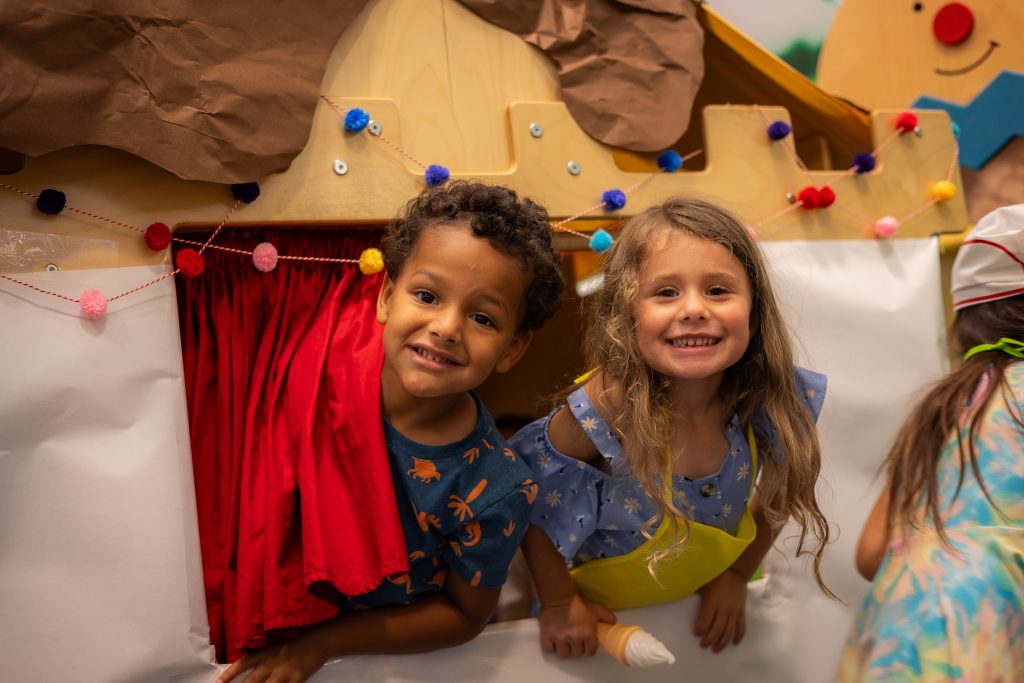
Saying goodbye at preschool drop-off can feel like a big deal. Your child’s still learning how to feel safe and confident when you’re not right beside them. That trust builds with time, routine, and reassurance.
So how do you make it easy on both you and your child? Create a simple goodbye ritual that your child can count on. It might be a hug and a wave, a special phrase, or a high-five at the door. Talking about what their day will include also gives them something to focus on once you leave.
If morning transitions feel especially hard, Managing Separation Anxiety When Starting Preschool is full of ideas that help both of you feel more ready and at ease.
Emotional Learning Happens Through Exploration
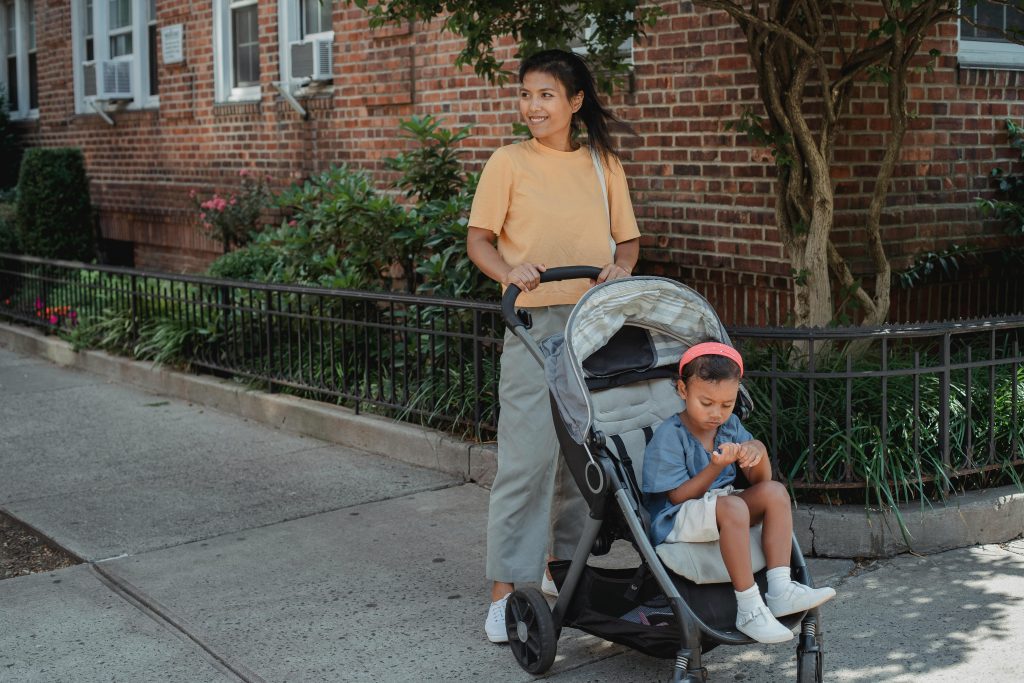
Your child learns how to handle emotions in the middle of everything else. Waiting for a turn, bouncing back after disappointment, cheering for a friend, or figuring out how to fix a mix-up, all of these are real-world lessons in emotional growth.
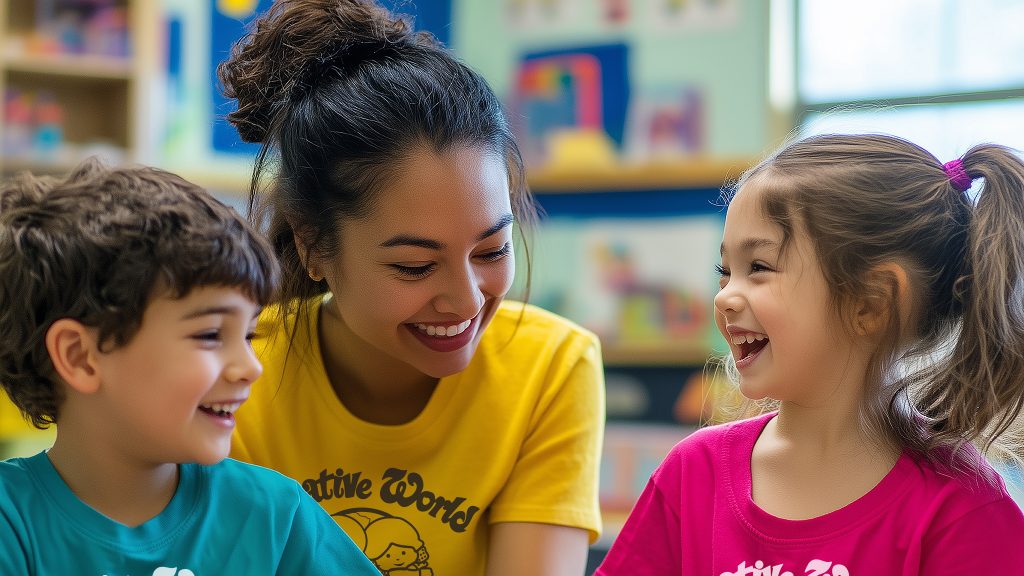
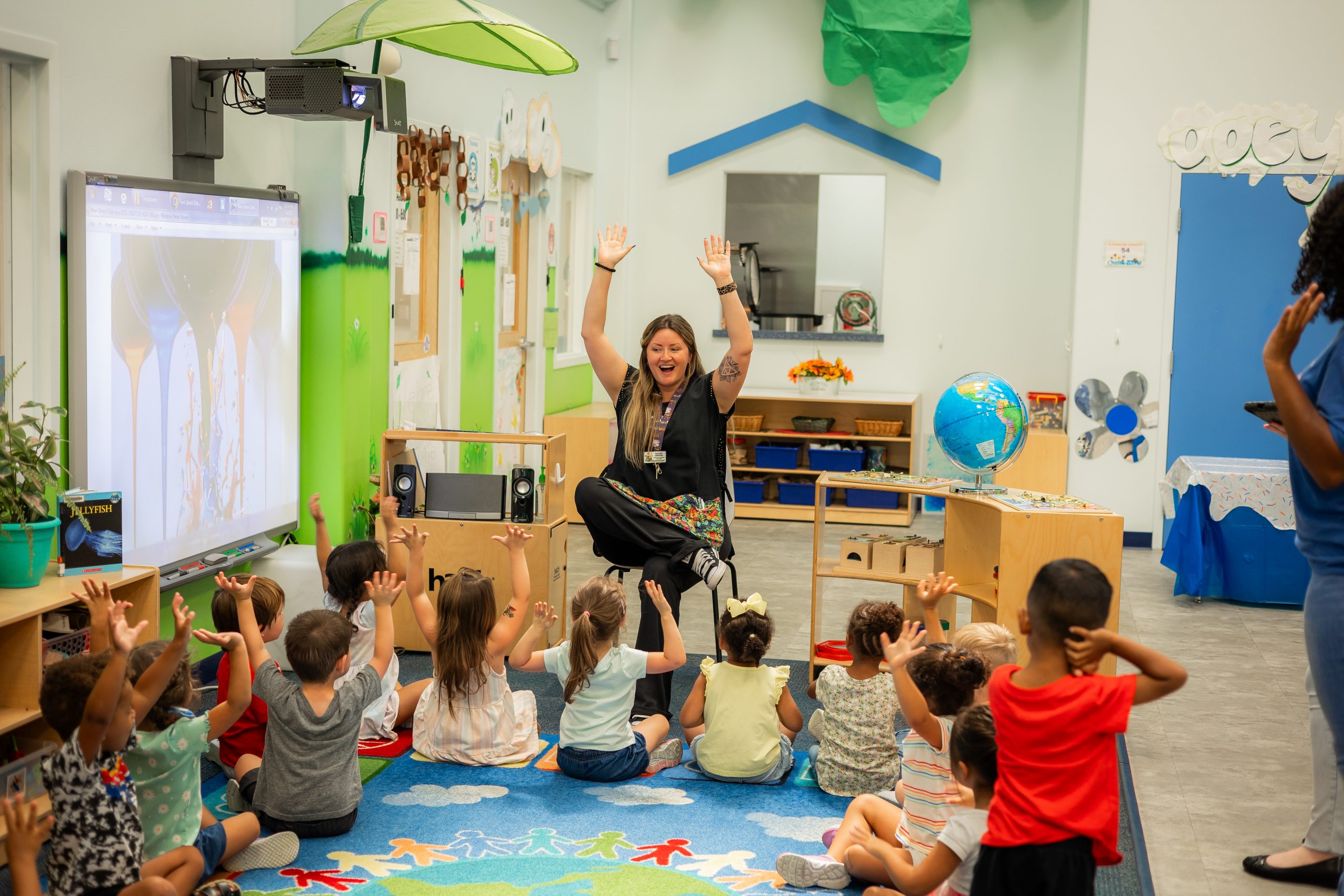
At Creative World School, social-emotional learning happens through hands-on play, conversations, group projects, and everyday routines. Teachers model calm responses, help kids talk through tough situations, and make space for every feeling. In the Exploratorium™, your child gets to explore big ideas through movement, art, and play—all while learning how to work with others and stay curious.
How Creative World School Helps Your Child Build Social and Emotional Skills
Every feeling your child works through, every friendship they build, and every problem they figure out with a little help adds to the emotional strength they’ll carry forward. These are the skills that help your child feel ready to try new things, connect with others, and bounce back when life feels tricky.
At Creative World School, friendships grow alongside curiosity, kindness, and confidence. Our classrooms are designed to give your child real chances to connect, play, and practice the social skills that matter most. Ready to see how we help friendships take root? Schedule a tour at your nearest school today!

Related Articles
Categories
- About Creative World (3)
- All About Water (4)
- Altamonte Springs (1)
- Animal Adventures (4)
- Apollo Beach (6)
- Apopka (4)
- Art (5)
- Avalon (2)
- Avalon Park (5)
- Away We Go (3)
- Back to school (4)
- Belton (4)
- Blogs to Share on Social Media (7)
- Bonita Springs (1)
- Brandon (2)
- Brrr... Cold! (2)
- Buggin' Out (2)
- Build It Up Theme (6)
- CampTastic (3)
- Chesapeake (2)
- Childhood Development (33)
- Children Book Recommendations (13)
- Children Quotes (1)
- Children Songs (1)
- Construction Theme (1)
- Contests (1)
- Creative World Curriculum (4)
- Creative World School (2)
- Crosscreek (4)
- CW Activity (2)
- CW Books (11)
- CW Celebrates (10)
- CW Character Traits (1)
- CW Educational Focus (4)
- CW Spotlight (1)
- Cypress Springs (3)
- Delicious Recipes (2)
- Did You Know? (1)
- Down To Earth (3)
- Early Education (19)
- Education (7)
- Estero (8)
- Fall Activities (3)
- Fall Festival (1)
- Fishhawk (3)
- Food (2)
- Franchise (1)
- Franklin Township (3)
- Friendship Theme (1)
- Fun National Holidays (19)
- Georgetown, TX (2)
- Health & Safety (5)
- In The Sky (2)
- In The Trees (4)
- iSTEAM (1)
- Katy, TX (4)
- Kindergarten (5)
- Land O' Lakes (3)
- Leander, TX (1)
- Lee's Summit (5)
- Liberty (1)
- Literacy (8)
- Loudoun County, VA (1)
- Mealtimes (1)
- Naples (3)
- New Schools (1)
- North Naples (4)
- Oakstead (4)
- Ooey Gooey (1)
- Orlando (5)
- Our Staff Recommends (2)
- Outdoor Activities (13)
- Oviedo (3)
- Parenting (59)
- Parenting Advice (52)
- People We Know (3)
- psychology (1)
- Rivercrest (1)
- Riverview (4)
- RiverWalk (1)
- School Events (3)
- School Readiness (5)
- Sensory Play (2)
- social-emotional (3)
- Space Topic (1)
- Special Events (17)
- St. Cloud (5)
- St. Cloud (1)
- Starkey Ranch (5)
- STEAM (5)
- Summer (3)
- Summer Activities (38)
- Tampa (6)
- That's Me! (2)
- Tips (3)
- To The Grocery Store (2)
- Try this with your kids! (4)
- Tuition (1)
- TX (1)
- UCF (5)
- Uncategorized (74)
- Vinings (2)
- water (1)
- We're SERIOUS about PLAY (2)
- Week of the Young Child (2)
- Wesley Chapel (2)
- Winter Activities (3)