
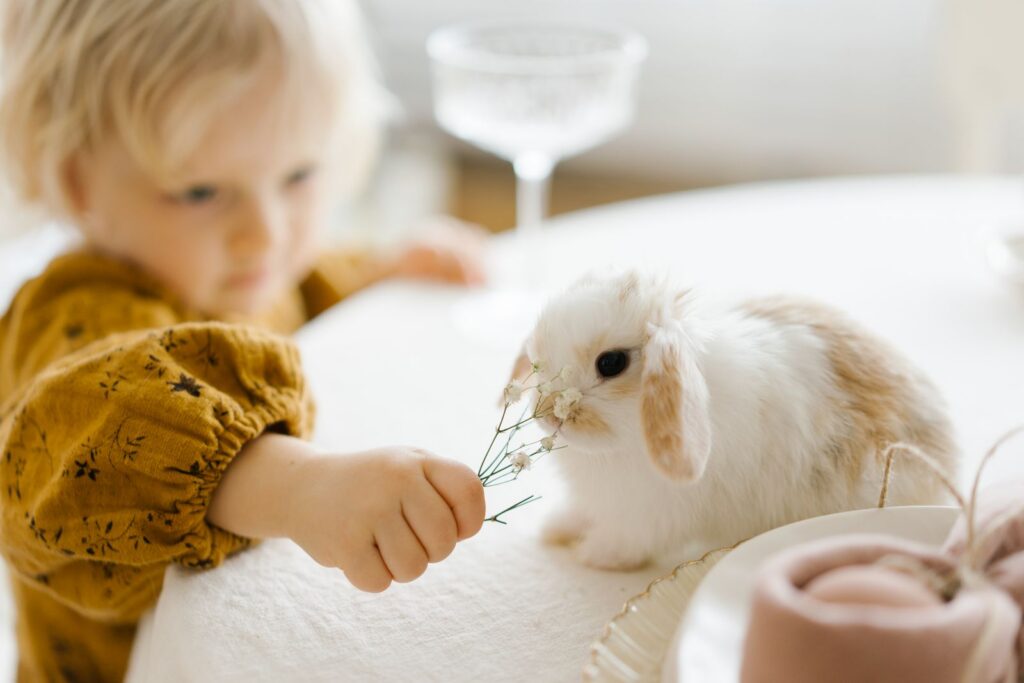
World Animal Day: How a First Pet Teaches Your Preschooler Responsibility
Creative world school Sep 29, 2026Every October 4th, World Animal Day rolls around, and for a lot of families it shows up right in the middle of the pet-begging years. Maybe it’s the goldfish at a friend’s house, or the neighbor’s dog your preschooler wants to visit every single afternoon. The asking gets loud around this age!
A first pet is one of the earliest ways a young child gets to care for something other than themselves. The jobs are small, and you’ll do most of them side by side, but filling a water bowl for a thirsty animal is how a lot of kids first feel what responsibility means.
What World Animal Day Means for Preschoolers
World Animal Day falls on October 4th every year, a date set aside to appreciate animals and the people who look after them. For preschoolers, keep the meaning simple. It’s a day to notice animals, talk about what they need, and show them a little kindness.
It’s also an easy way into a conversation about pets! If your child loves animal trivia, our roundup of 20 wacky animal facts for World Animal Day gives you plenty to giggle over together. Once a kiddo is hooked on how animals eat, sleep, and play, the idea of helping care for one starts to make sense.
Easy Pet Care Jobs for Preschoolers
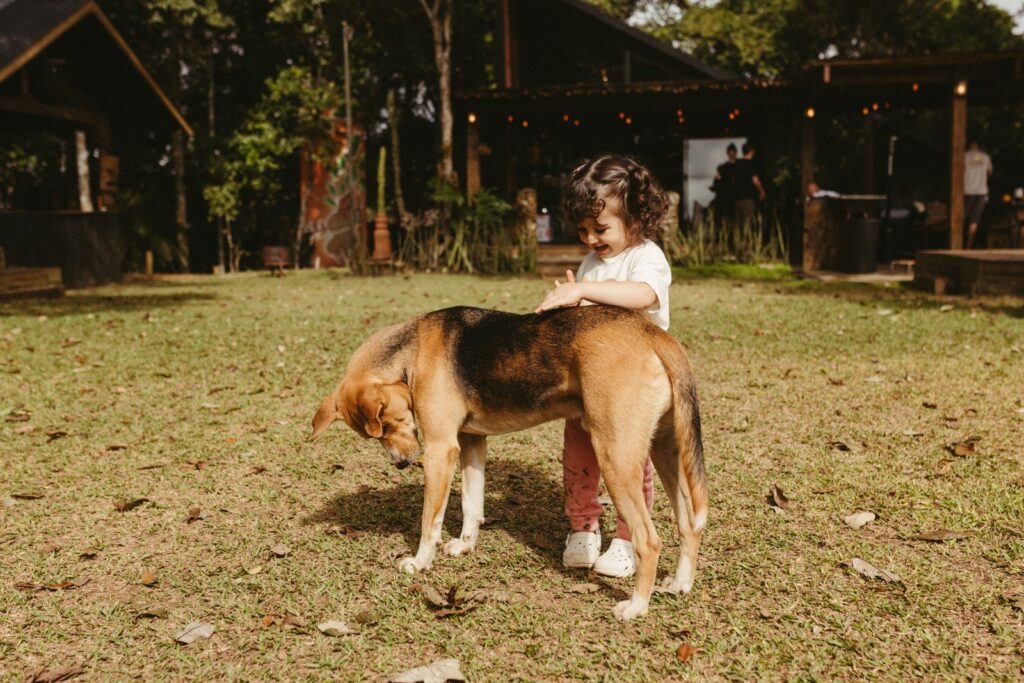
Give your preschooler one or two pet jobs they can finish on their own. Scooping food into the bowl, sprinkling the fish flakes, or refilling the water dish with a little help all work well. To a 3-year-old, being trusted with a living creature’s lunch is a big deal!
According to the American Academy of Child and Adolescent Psychiatry, caring for a pet can help children develop responsible behavior, and the same guidance says a parent still oversees the pet’s care. So you’re the backup, the reminder, and the one who catches the empty water bowl. Your child gets the satisfying part, which is doing a real job for someone who counts on them. When a job slips, a gentle reminder works better than a scolding.
Read I Wanna Iguana by Karen Kaufman Orloff together before any animal comes home. Alex spends the whole book trading notes with his mom to prove he’s ready for a pet, and every promise he makes sounds a lot like the talk you’re about to have at your own kitchen table. Afterward, see if your child can pick out the promises they could really keep.
How Caring for a Pet Builds Empathy and Confidence
A child who helps look after an animal starts reading its signals, like a dog pacing by the door or a cat that’s had enough petting. Noticing what another creature needs is where empathy starts, and child psychiatrists point out that a good relationship with a pet can help build compassion, empathy, and self-confidence.
Researchers in Australia surveyed more than 1,600 families of preschoolers and found that kids from dog-owning homes were less likely to have conduct and peer problems and more likely to share and help others. Kids who went on family dog walks at least once a week, or played with their dog three or more times a week, were even more likely to show that helping streak.
Our post on fostering empathy through play fits right alongside pet care, since both ask your child to imagine what someone else is feeling. In Can I Be Your Dog? by Troy Cummings, a stray pup named Arfy writes letters to everyone on Butternut Street asking for a home. It opens up an easy talk about why animals count on the people who take them in.
Choosing the Best First Pet for a Preschooler
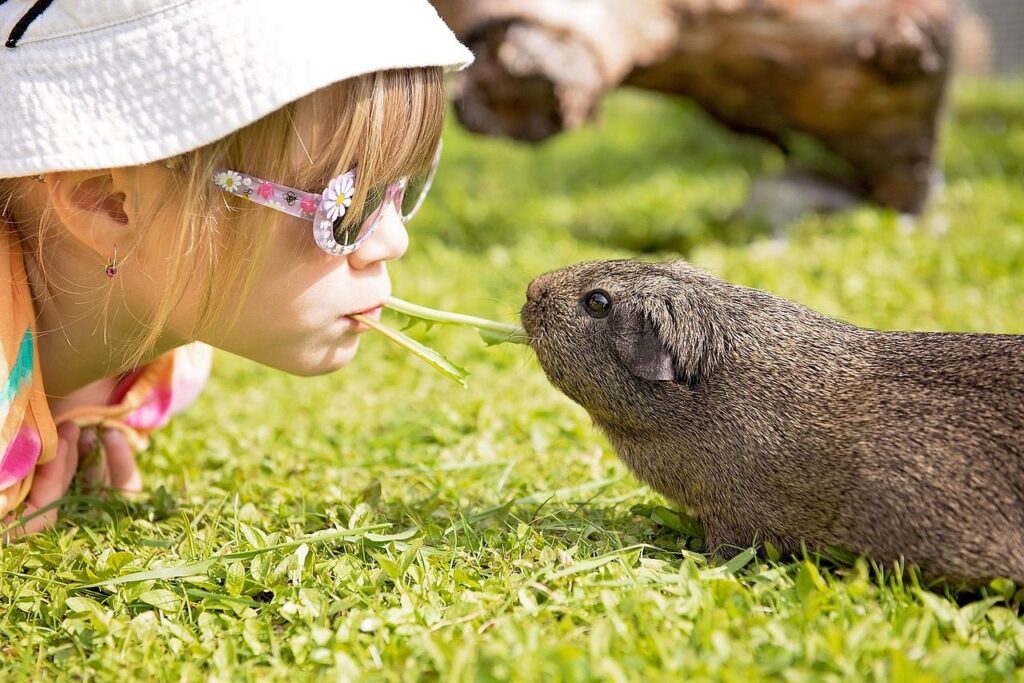
Some animals are an easier match for a house with a preschooler than others, so think it through before anyone falls in love at the pet store. Smaller, calmer pets are a good place to start. A goldfish, a guinea pig, or a couple of hermit crabs gives your child real jobs without the round-the-clock demands of a puppy.
Match the pet to your child’s age and your family’s schedule. The same child psychiatry guidance says kids under 3 or 4 need a grownup watching any time they’re with a pet, and that children under 10 aren’t ready to care for a cat or dog on their own, so plan on handling the bigger parts yourself. Younger preschoolers do best with animals they can feed and watch rather than hold.
If a pet doesn’t fit your home right now, a friend’s dog, a classroom fish tank, or a bird feeder outside the kitchen window still gives your kiddo plenty of chances to practice gentle hands and noticing. Looking after someone who needs them is a big piece of early independence too, and our guide to encouraging independence from an early age has more small ways to let your child take the lead at home.
Raising Curious and Caring Kids at Creative World School
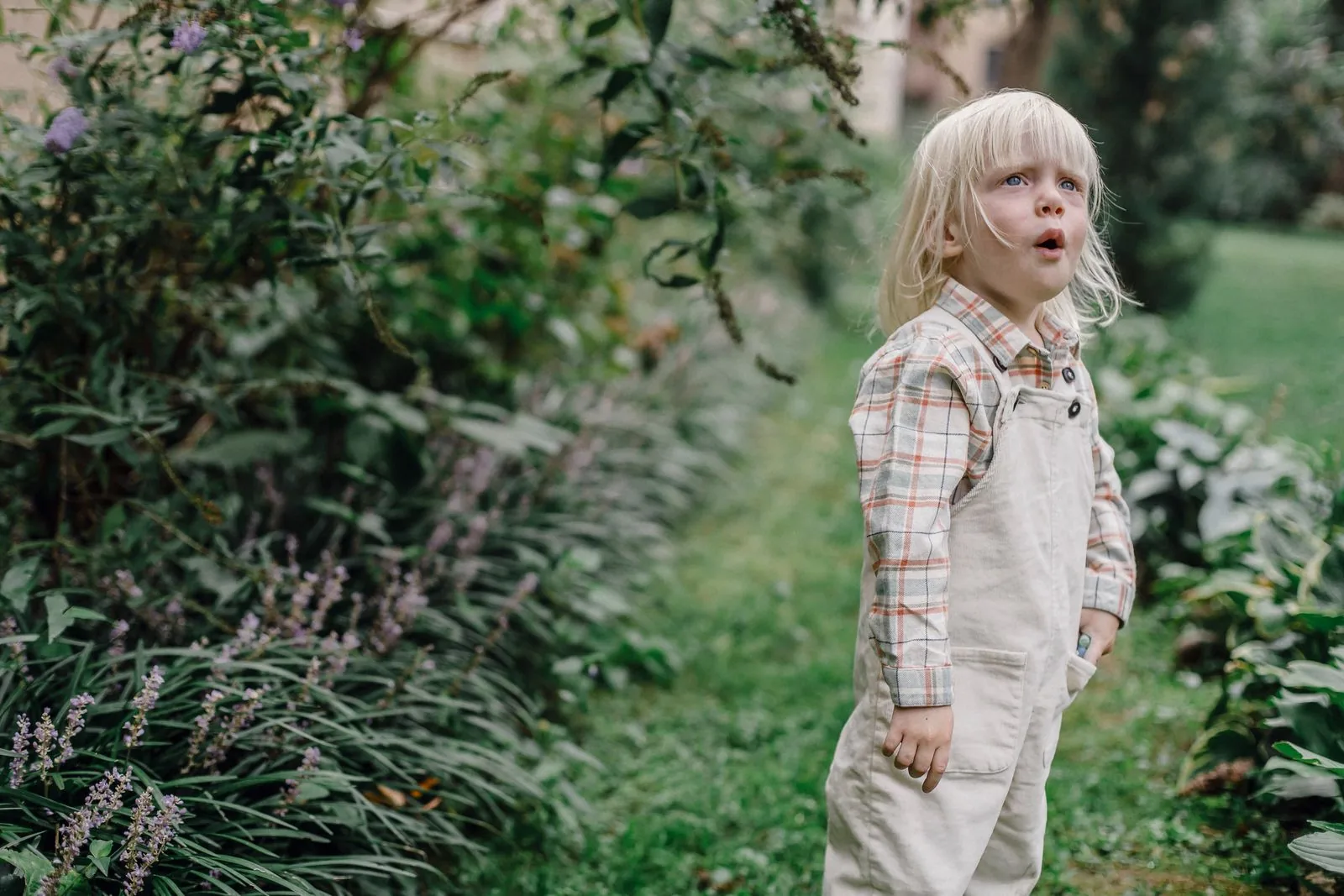
The curiosity that has your preschooler asking a hundred questions about the neighbor’s dog is the same curiosity we build our days around at Creative World School. Our classrooms run on our 3 E’s, Education, Exploration, and Enrichment. In our hands-on Exploratorium™, teachers follow what children wonder about and turn it into real discovery, from how animals live to how the whole world works.
This World Animal Day, let your little one help care for an animal, even if it’s just filling the bird feeder. It’s a small job with a big heart behind it! When you’re ready to see how we grow that same curiosity and kindness every day, find a Creative World School near you and come say hello.

Related Articles


Categories
- About Creative World (3)
- All About Water (4)
- Altamonte Springs (1)
- Animal Adventures (4)
- Apollo Beach (6)
- Apopka (5)
- Art (5)
- Avalon (2)
- Avalon Park (5)
- Away We Go (3)
- Back to school (4)
- Belton (4)
- Blogs to Share on Social Media (7)
- Bonita Springs (1)
- Brandon (2)
- Brrr... Cold! (2)
- Buggin' Out (2)
- Build It Up Theme (6)
- CampTastic (3)
- Chesapeake (3)
- Childhood Development (33)
- Children Book Recommendations (14)
- Children Quotes (1)
- Children Songs (1)
- Construction Theme (1)
- Contests (1)
- Creative World Curriculum (4)
- Creative World School (2)
- Crosscreek (4)
- CW Activity (2)
- CW Books (11)
- CW Celebrates (11)
- CW Character Traits (1)
- CW Educational Focus (4)
- CW Spotlight (1)
- Cypress Springs (3)
- Delicious Recipes (2)
- Did You Know? (1)
- Down To Earth (3)
- Early Education (19)
- Education (7)
- Estero (8)
- Fall Activities (14)
- Fall Festival (1)
- Fishhawk (3)
- Food (2)
- Franchise (1)
- Franklin Township (4)
- Friendship Theme (1)
- Fun National Holidays (19)
- Georgetown, TX (4)
- Health & Safety (5)
- In The Sky (2)
- In The Trees (4)
- iSTEAM (6)
- Katy, TX (5)
- Kindergarten (5)
- Land O' Lakes (3)
- Leander, TX (1)
- Lee's Summit (5)
- Liberty (1)
- Literacy (8)
- Loudoun County, VA (2)
- Mealtimes (1)
- Naples (4)
- New Schools (3)
- North Naples (4)
- Oakstead (4)
- Ooey Gooey (1)
- Orlando (5)
- Our Staff Recommends (2)
- Outdoor Activities (14)
- Oviedo (4)
- Parenting (64)
- Parenting Advice (63)
- People We Know (3)
- psychology (1)
- Rivercrest (1)
- Riverview (5)
- RiverWalk (1)
- School Events (3)
- School Readiness (5)
- Sensory Play (2)
- social-emotional (3)
- Space Topic (1)
- Special Events (17)
- St. Cloud (2)
- St. Cloud (5)
- Starkey Ranch (5)
- STEAM (5)
- Summer (3)
- Summer Activities (38)
- Tampa (6)
- That's Me! (2)
- Tips (3)
- To The Grocery Store (2)
- Try this with your kids! (4)
- Tuition (1)
- TX (1)
- UCF (6)
- Uncategorized (72)
- Vinings (2)
- water (1)
- We're SERIOUS about PLAY (2)
- Week of the Young Child (2)
- Wesley Chapel (2)
- Winter Activities (3)