
National Puzzle Day Ideas for Brain Boosting Play at Home
Creative world school Jan 30, 2026National Puzzle Day lands on January 29, and it’s a good excuse for something your preschooler is probably already asking for: more time with puzzles. It turns out that time is doing more than keeping little hands busy. Puzzles are quietly one of the best brain-boosting activities available, and most families already own everything they need to celebrate.
What a Puzzle Actually Builds
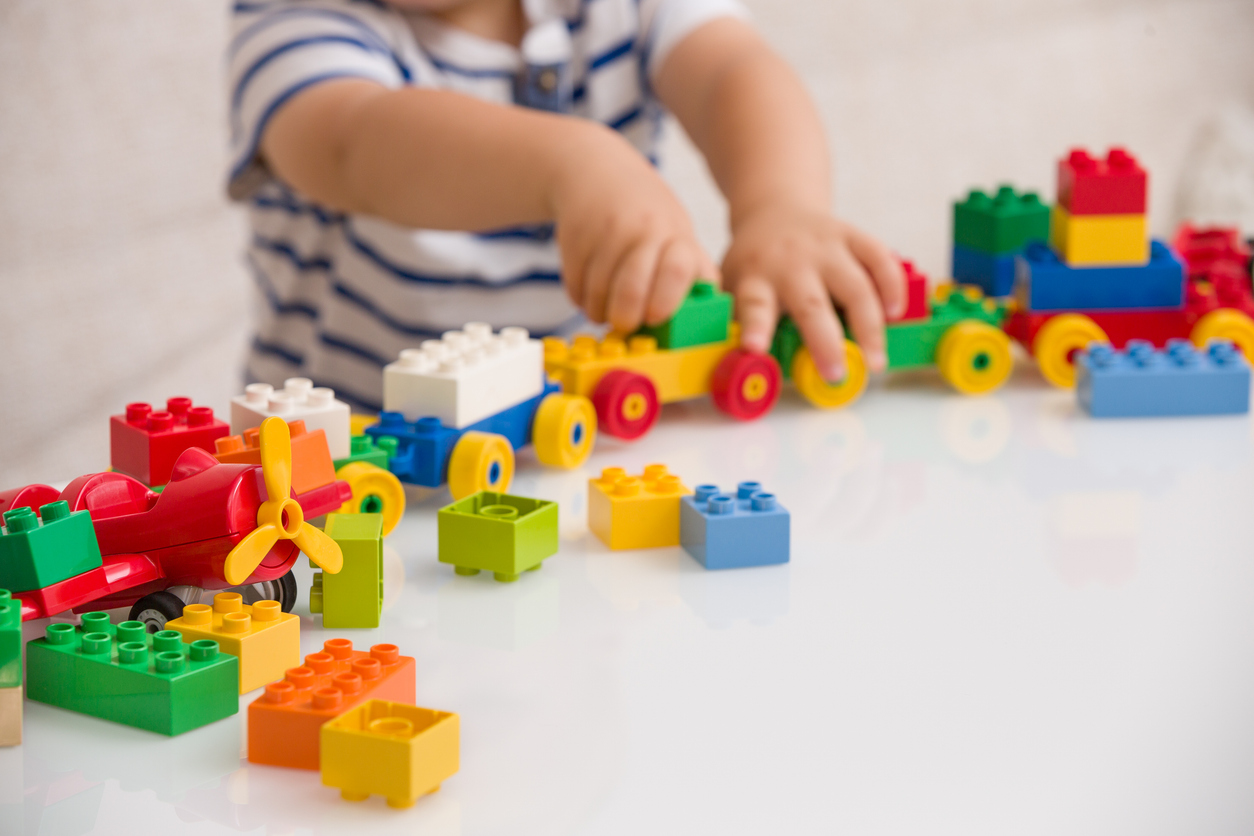
Fitting a piece into place requires a preschooler to compare shapes, rotate an image mentally, and adjust when the first attempt doesn’t work. That combination, spatial reasoning plus trial-and-error problem-solving, is exactly the kind of thinking that shows up later in early math and reading. It’s also one of the few activities that keeps a preschooler’s attention through repeated small failures without much adult coaxing.
Match the Puzzle to the Child, Not the Age on the Box
A puzzle that’s slightly too easy gets boring fast, and one that’s too hard leads to frustration and a request for help. Chunky wooden puzzles with knobs are a good starting point for younger preschoolers, moving up to 12- to 24-piece cardboard puzzles as their fine motor control and patience grow. If a puzzle is met with immediate frustration, it’s usually a sign to size down, not a sign to push through.
Let Them Struggle a Little Before You Help
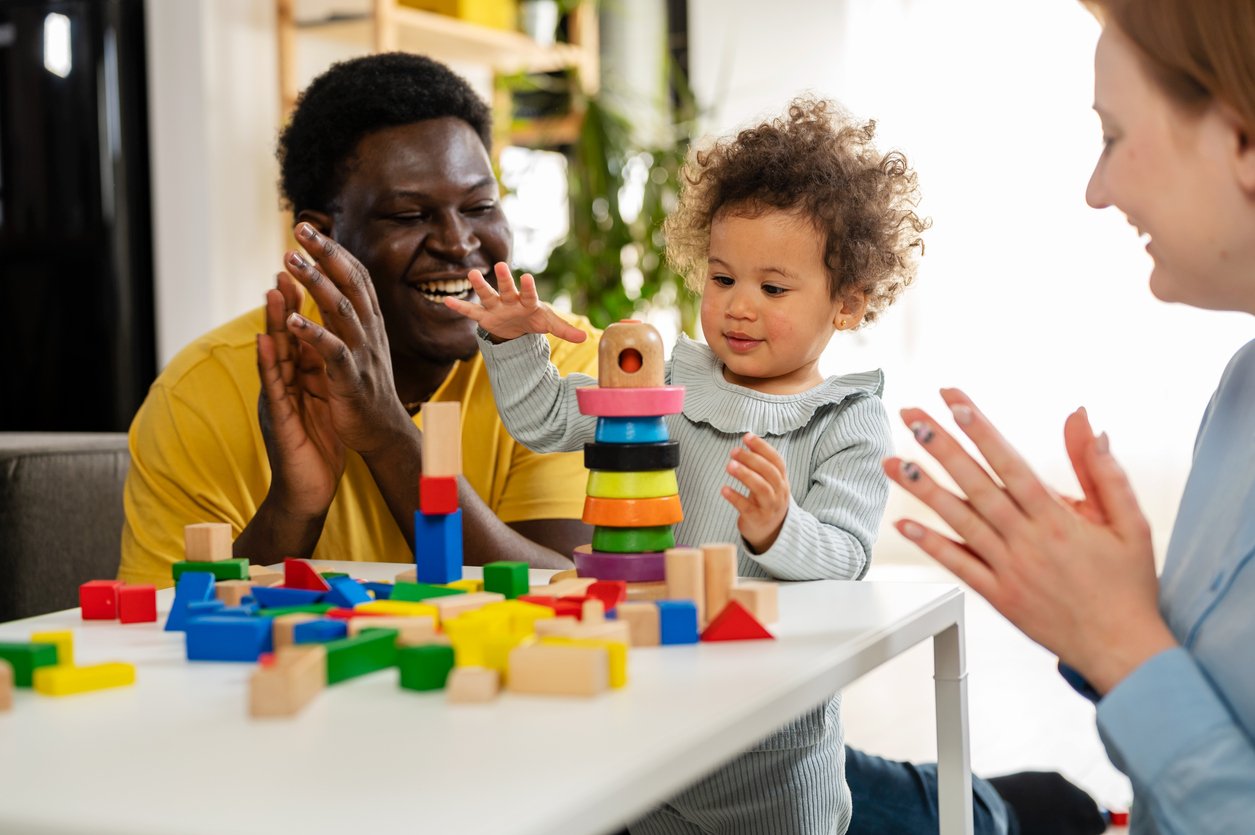
It’s tempting to point out the right spot the moment a preschooler gets stuck, but that’s often the exact moment the real learning happens. Give them a few extra seconds to try a piece a different way before stepping in. The goal isn’t a fast finish, it’s practice at sticking with something that isn’t immediately easy.
Make It a Celebration, Not Just an Activity
For National Puzzle Day, consider pulling out a puzzle the whole family can work on together over the course of an evening, laid out on a table where it can sit unfinished between attempts. Working alongside your preschooler, even without directing the process, reinforces the same focus-building benefits research points to in shared, hands-on play.
At Creative World School, puzzles and hands-on problem-solving are part of how our classrooms build early math and reasoning skills every day. If you’d like to see how we bring that kind of play into a typical day, find a school near you and come take a look.

Related Articles

Categories
- About Creative World (3)
- All About Water (4)
- Altamonte Springs (1)
- Animal Adventures (4)
- Apollo Beach (6)
- Apopka (4)
- Art (5)
- Avalon (2)
- Avalon Park (5)
- Away We Go (3)
- Back to school (4)
- Belton (4)
- Blogs to Share on Social Media (7)
- Bonita Springs (1)
- Brandon (2)
- Brrr... Cold! (2)
- Buggin' Out (2)
- Build It Up Theme (6)
- CampTastic (3)
- Chesapeake (2)
- Childhood Development (33)
- Children Book Recommendations (13)
- Children Quotes (1)
- Children Songs (1)
- Construction Theme (1)
- Contests (1)
- Creative World Curriculum (4)
- Creative World School (2)
- Crosscreek (4)
- CW Activity (2)
- CW Books (11)
- CW Celebrates (10)
- CW Character Traits (1)
- CW Educational Focus (4)
- CW Spotlight (1)
- Cypress Springs (3)
- Delicious Recipes (2)
- Did You Know? (1)
- Down To Earth (3)
- Early Education (19)
- Education (7)
- Estero (8)
- Fall Activities (3)
- Fall Festival (1)
- Fishhawk (3)
- Food (2)
- Franchise (1)
- Franklin Township (3)
- Friendship Theme (1)
- Fun National Holidays (19)
- Georgetown, TX (2)
- Health & Safety (5)
- In The Sky (2)
- In The Trees (4)
- iSTEAM (1)
- Katy, TX (4)
- Kindergarten (5)
- Land O' Lakes (3)
- Leander, TX (1)
- Lee's Summit (5)
- Liberty (1)
- Literacy (8)
- Loudoun County, VA (1)
- Mealtimes (1)
- Naples (3)
- New Schools (1)
- North Naples (4)
- Oakstead (4)
- Ooey Gooey (1)
- Orlando (5)
- Our Staff Recommends (2)
- Outdoor Activities (13)
- Oviedo (3)
- Parenting (59)
- Parenting Advice (52)
- People We Know (3)
- psychology (1)
- Rivercrest (1)
- Riverview (4)
- RiverWalk (1)
- School Events (3)
- School Readiness (5)
- Sensory Play (2)
- social-emotional (3)
- Space Topic (1)
- Special Events (17)
- St. Cloud (5)
- St. Cloud (1)
- Starkey Ranch (5)
- STEAM (5)
- Summer (3)
- Summer Activities (38)
- Tampa (6)
- That's Me! (2)
- Tips (3)
- To The Grocery Store (2)
- Try this with your kids! (4)
- Tuition (1)
- TX (1)
- UCF (5)
- Uncategorized (74)
- Vinings (2)
- water (1)
- We're SERIOUS about PLAY (2)
- Week of the Young Child (2)
- Wesley Chapel (2)
- Winter Activities (3)