
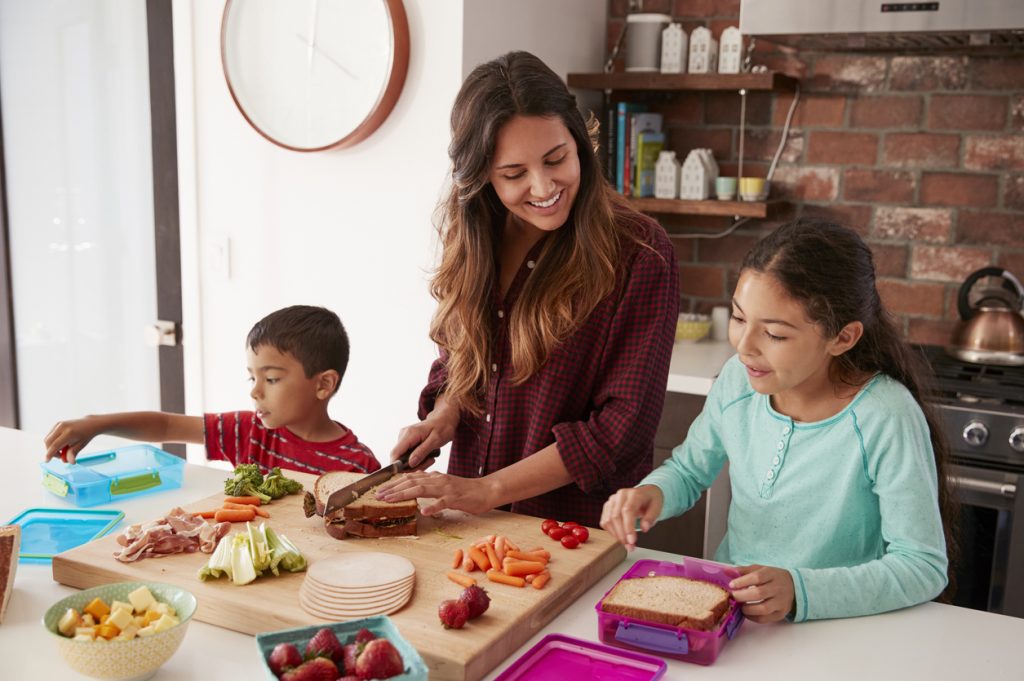
Fun Kitchen Tasks That Build Big Skills for Little Learners
Creative world school Aug 14, 2026Your preschooler drags a chair to the counter the second they hear a mixing bowl come out. They want to help! And even though “helping” sometimes means flour on the floor and an egg that misses the bowl, letting your little one cook with you is one of the best things you can do for them. Little kids are wired to want in on whatever the grown-ups are doing, and the kitchen is where most of it happens.
The kitchen is a hands-on classroom hiding in plain sight. Stirring, pouring, measuring, and tasting all build real skills your child will use for years. Here are the simple kitchen jobs little hands can handle, and what your preschooler learns from each one.
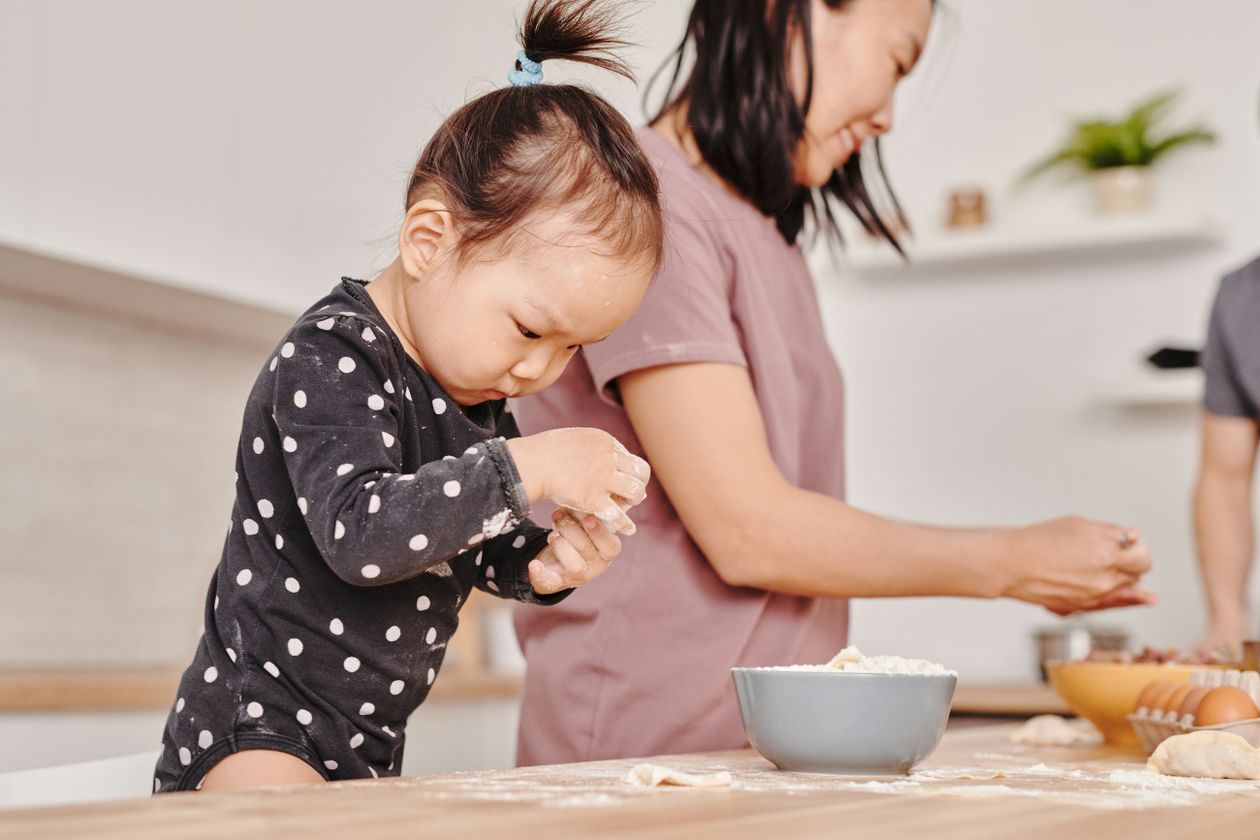
Why Cooking Together Is Amazing for Preschoolers
When your child cooks with you, they’re doing so much more than making a snack. They’re following steps, making choices, using their senses, and working toward a goal they can see and taste at the end. That sense of “I made this!” is a big confidence boost for a preschooler, and it costs you nothing but a little patience and counter space.
Cooking is also unhurried time together, which is harder to come by than it should be. Side by side at the counter, you talk, you laugh when the dough sticks to everything, and you celebrate the finished plate as a team. The finished food is great, and the time together is even better!
Simple Kitchen Tasks Little Hands Can Do
Preschoolers can do far more in the kitchen than we usually give them credit for, as long as the job matches their age and you stay close by. Start with safe, no-heat tasks. Let your child wash fruits and vegetables in the sink, tear lettuce for a salad, stir batter, mash bananas or potatoes, sprinkle cheese, press cookie cutters into dough, or set the table. Older preschoolers can scoop and level dry ingredients, peel a banana or a hard-boiled egg, crack an egg into a bowl, or spread soft butter with a dull knife while you supervise. Give your child one clear job at each meal and add to it as they get steadier.
Keep the first sessions short and give yourself extra time. Cooking with a little one is messy and slow, and that’s part of the fun. All that scooping and squishing doubles as hands-on sensory play, which preschoolers soak up through their fingertips. A real job your child can finish alone builds independence, and that counts for more than a tidy counter.
Pair your next baking session with Thunder Cake by Patricia Polacco, where a girl and her grandma gather eggs, milk, and flour to bake a cake before a storm hits. Pick one real task from the story for your child to own in your own kitchen.
Cooking Builds Math, Language, and Motor Skills
A recipe is a sneaky little lesson plan. Measuring half a cup of flour and counting three eggs turns into early math. Naming each ingredient, talking about what comes next, and describing how the batter feels grows your child’s vocabulary fast. Pouring, whisking, kneading, and pinching all strengthen the small hand muscles behind fine motor skills your child will lean on later for writing.
Following a recipe in order also builds focus and patience, and running your finger under the words as you read each step shows your child that print carries meaning. There’s science at the counter too. Watching butter melt, water boil, or bread rise gives your preschooler front-row seats to cause and effect. Wonder out loud with them. Try asking what they think will happen when you add the baking soda, then watch together to find out.
How to Make an Apple Pie and See the World by Marjorie Priceman sends a girl around the globe to gather ingredients when the market is closed, and it even includes a real recipe on the last page. Priceman turns a simple pie into a map lesson and a cooking lesson at once, which is just what happens at your own counter.
Cooking Helps Picky Eaters Try New Foods
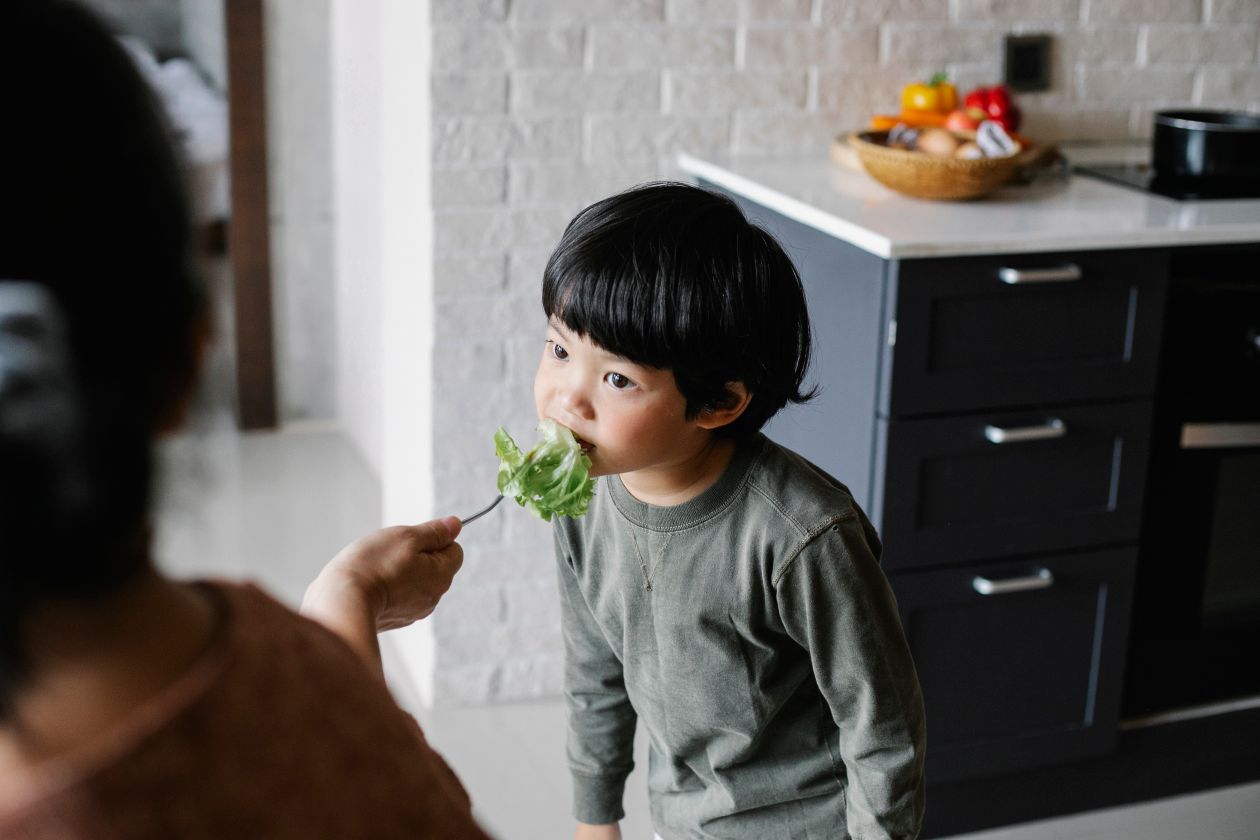
If you’re raising a picky eater, the kitchen can be a big help. Kids are far more curious about food they had a hand in making. In one nursery cooking program that paired parents and preschoolers at the counter for four weekly sessions, the children came out more willing to try new vegetables and less fussy at mealtimes. Stirring the soup or building their own veggie kebab makes a new food feel familiar and a lot less scary.
Keep the menu simple, too. A fruit salad your child assembles or a snack plate they arrange goes a long way toward teaching healthy eating habits. Praise the effort and the bravery of one small bite, and let the rest happen at your child’s pace. Sit down and eat the same food yourself, since kids copy what they see at the table.
Cooking Up Skills at Creative World School
The same curiosity your preschooler brings to your kitchen is what we build our days around at Creative World School. Through hands-on, inquiry-based learning and our Exploratorium™, we give children real materials to measure, mix, explore, and figure out, turning everyday moments into discoveries. Our teachers work at eye level and let children lead their own investigations, the same way you let your child run the mixing bowl. Cooking at home and learning at school feed the same growing brain.
Curious what that looks like from drop-off to pickup? Find a school near you and schedule a tour today!

Related Articles
Categories
- About Creative World (3)
- All About Water (4)
- Altamonte Springs (1)
- Animal Adventures (4)
- Apollo Beach (6)
- Apopka (4)
- Art (5)
- Avalon (2)
- Avalon Park (5)
- Away We Go (3)
- Back to school (4)
- Belton (4)
- Blogs to Share on Social Media (7)
- Bonita Springs (1)
- Brandon (2)
- Brrr... Cold! (2)
- Buggin' Out (2)
- Build It Up Theme (6)
- CampTastic (3)
- Chesapeake (3)
- Childhood Development (33)
- Children Book Recommendations (14)
- Children Quotes (1)
- Children Songs (1)
- Construction Theme (1)
- Contests (1)
- Creative World Curriculum (4)
- Creative World School (2)
- Crosscreek (4)
- CW Activity (2)
- CW Books (11)
- CW Celebrates (10)
- CW Character Traits (1)
- CW Educational Focus (4)
- CW Spotlight (1)
- Cypress Springs (3)
- Delicious Recipes (2)
- Did You Know? (1)
- Down To Earth (3)
- Early Education (19)
- Education (7)
- Estero (8)
- Fall Activities (7)
- Fall Festival (1)
- Fishhawk (3)
- Food (2)
- Franchise (1)
- Franklin Township (3)
- Friendship Theme (1)
- Fun National Holidays (19)
- Georgetown, TX (2)
- Health & Safety (5)
- In The Sky (2)
- In The Trees (4)
- iSTEAM (3)
- Katy, TX (4)
- Kindergarten (5)
- Land O' Lakes (3)
- Leander, TX (1)
- Lee's Summit (5)
- Liberty (1)
- Literacy (8)
- Loudoun County, VA (2)
- Mealtimes (1)
- Naples (4)
- New Schools (3)
- North Naples (4)
- Oakstead (4)
- Ooey Gooey (1)
- Orlando (5)
- Our Staff Recommends (2)
- Outdoor Activities (13)
- Oviedo (3)
- Parenting (60)
- Parenting Advice (56)
- People We Know (3)
- psychology (1)
- Rivercrest (1)
- Riverview (4)
- RiverWalk (1)
- School Events (3)
- School Readiness (5)
- Sensory Play (2)
- social-emotional (3)
- Space Topic (1)
- Special Events (17)
- St. Cloud (1)
- St. Cloud (5)
- Starkey Ranch (5)
- STEAM (5)
- Summer (3)
- Summer Activities (38)
- Tampa (6)
- That's Me! (2)
- Tips (3)
- To The Grocery Store (2)
- Try this with your kids! (4)
- Tuition (1)
- TX (1)
- UCF (5)
- Uncategorized (74)
- Vinings (2)
- water (1)
- We're SERIOUS about PLAY (2)
- Week of the Young Child (2)
- Wesley Chapel (2)
- Winter Activities (3)