
Why Boredom Is Good for Your Preschooler
Creative world school Aug 7, 2026“I’m boooored.” You’ve heard it, probably about four minutes after the last activity got cleaned up, and probably in the most tragic voice your preschooler owns. Your instinct is to fix it fast. A craft, a snack, a quick show, anything to make the whining stop.
Try sitting on that instinct for a minute. That restless, nothing-to-do feeling is the start of something good. When a little kid runs out of stuff to do, their brain gets busy filling the gap, and that’s where some of the best play of the day comes from. Boredom and unstructured time do more for your child than one more packed afternoon ever could.
What a Bored Preschooler Is Really Doing
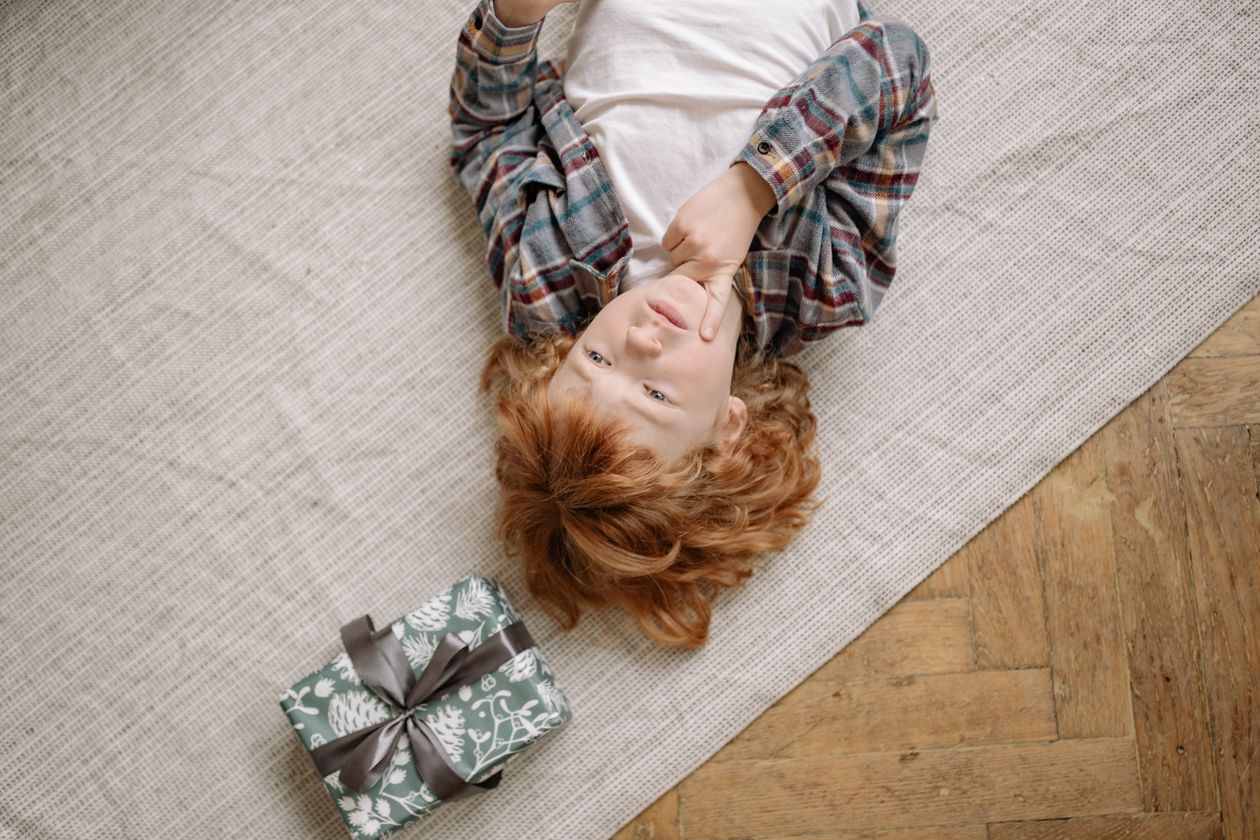
When the entertainment stops, your child is left with a small, useful problem. What do I do now? Sitting in that question, even for a few minutes, is how kids learn to come up with their own ideas instead of waiting for the next thing to be handed to them.
Researchers who study boredom have found that it’s the nudge that gets kids inventing their own fun and building an imagination that doesn’t lean on a screen or a grown-up. One researcher interviewed writers, artists, and scientists about their early years, and many of them pointed back to long, empty afternoons as the place where their creativity first showed up. Learning to sit with that restless feeling instead of reaching for an instant fix also helps kids build patience, the same patience they’ll lean on when a puzzle gets hard or a block tower keeps falling down.
It can feel uncomfortable to watch. A whining kid is hard to ignore, and doing nothing looks like a problem you should jump on. It usually isn’t. Give it a few minutes and you’ll often catch your child chatting to their toys, narrating some wild story, or turning the couch cushions into a fort. That’s the good stuff, and it only shows up once the boredom has had its turn.
Why Unstructured Time Builds Independent Play
Unstructured time is any stretch of the day with no plan attached. No class, no worksheet, no agenda from you. Just your child, some open hours, and whatever they decide to do with them. It sounds like a recipe for chaos, and some days it is! It’s also doing real developmental work.
When researchers looked at how kids spend their days, the ones with more unstructured time were better at setting and working toward their own goals. A child who’s used to deciding what comes next gets plenty of practice planning, choosing, and following through under their own steam. A child whose every hour is filled in for them never has to. Independent play is a skill, and it grows every time your preschooler gets to run their own show.
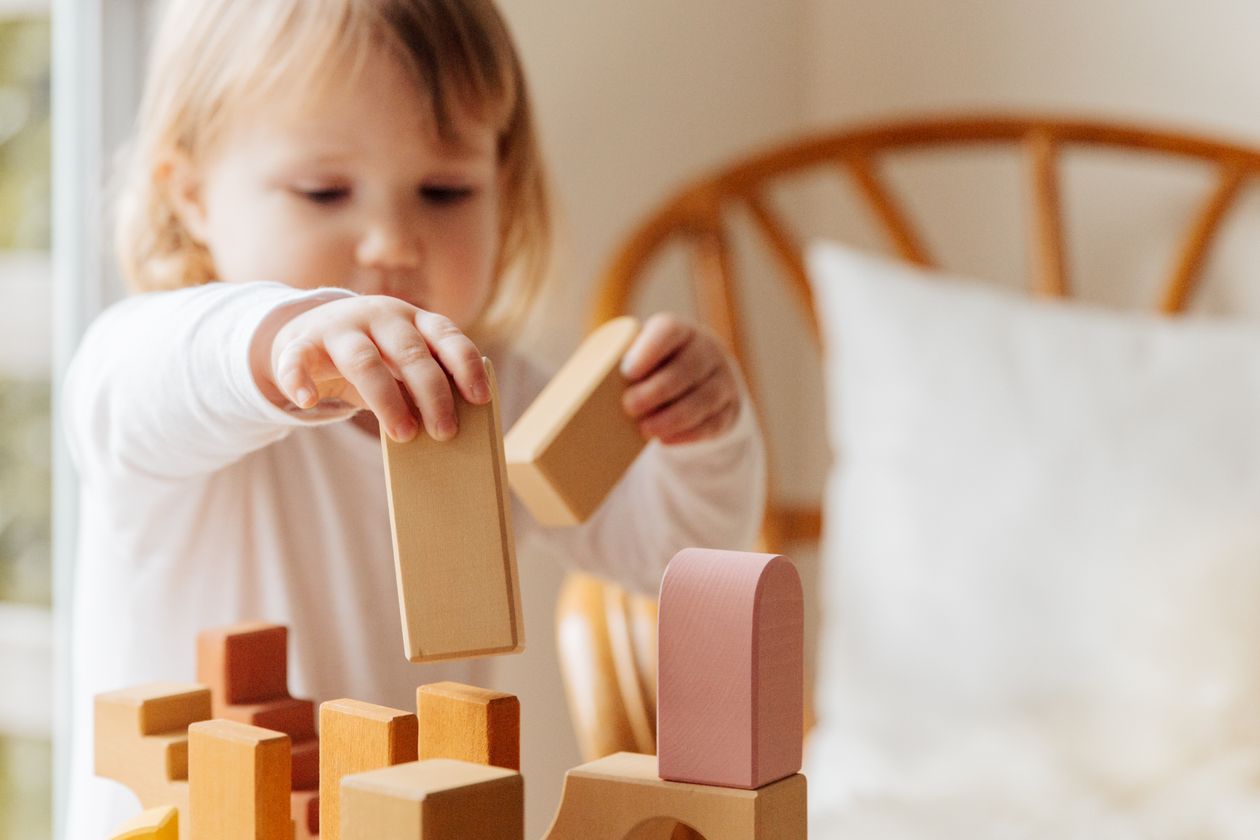
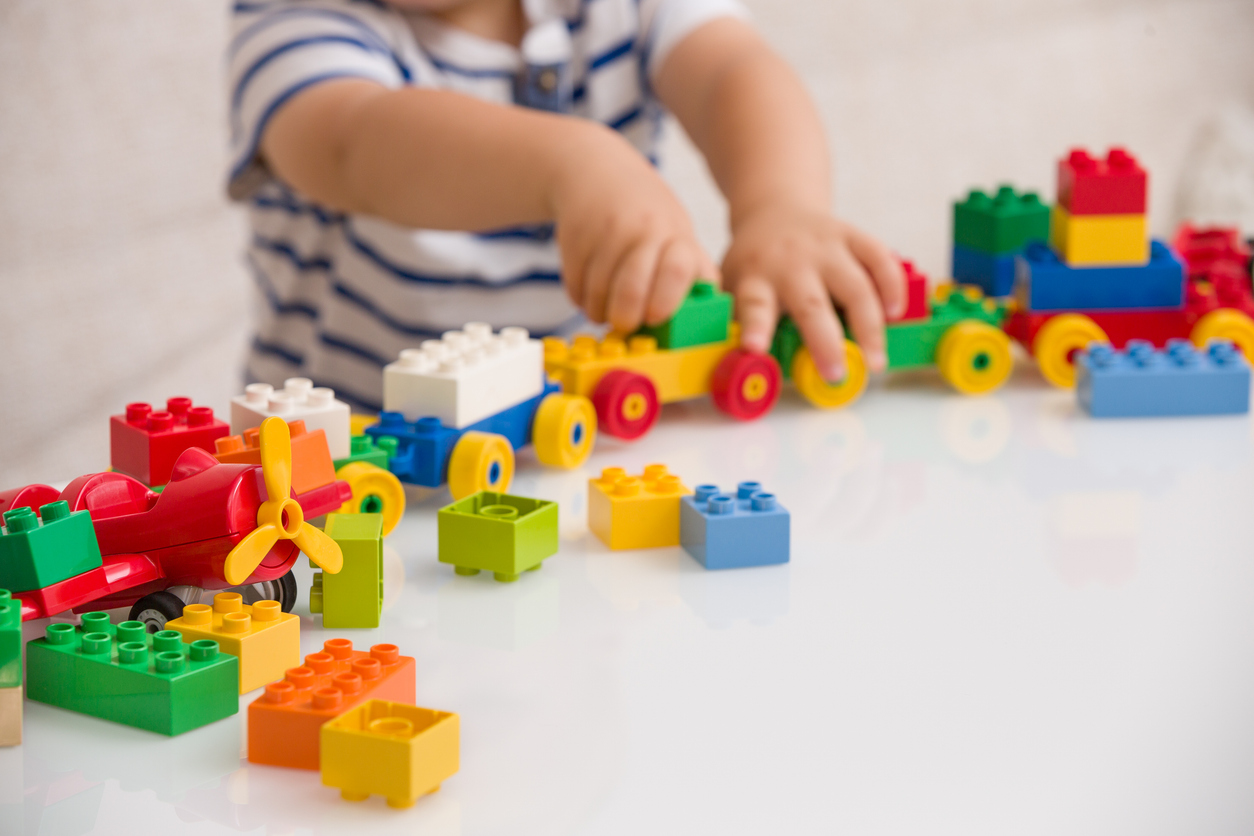
The toys that work hardest here are the plain ones. A cardboard box, a basket of blocks, a few scarves, a stack of cups. Open-ended things with no single right way to use them hand your child the job of deciding what they become. In What to Do with a Box by Jane Yolen, one plain cardboard box turns into a boat, a race car, a castle, and a cozy reading corner. Read it on a slow morning, then give your kid a real box and see where it goes.
Easy Ways to Make Room for Boredom at Home
Boredom needs room more than it needs a plan, and a few small habits open that room right up. Pick a couple of anchors for the day and let the rest stay loose. Maybe a morning trip to the park, lunch, and rest time, with open gaps in between. Those gaps are where your child’s own ideas finally get a turn. A long stretch of outdoor play with nothing scheduled works the same way, and the backyard counts.
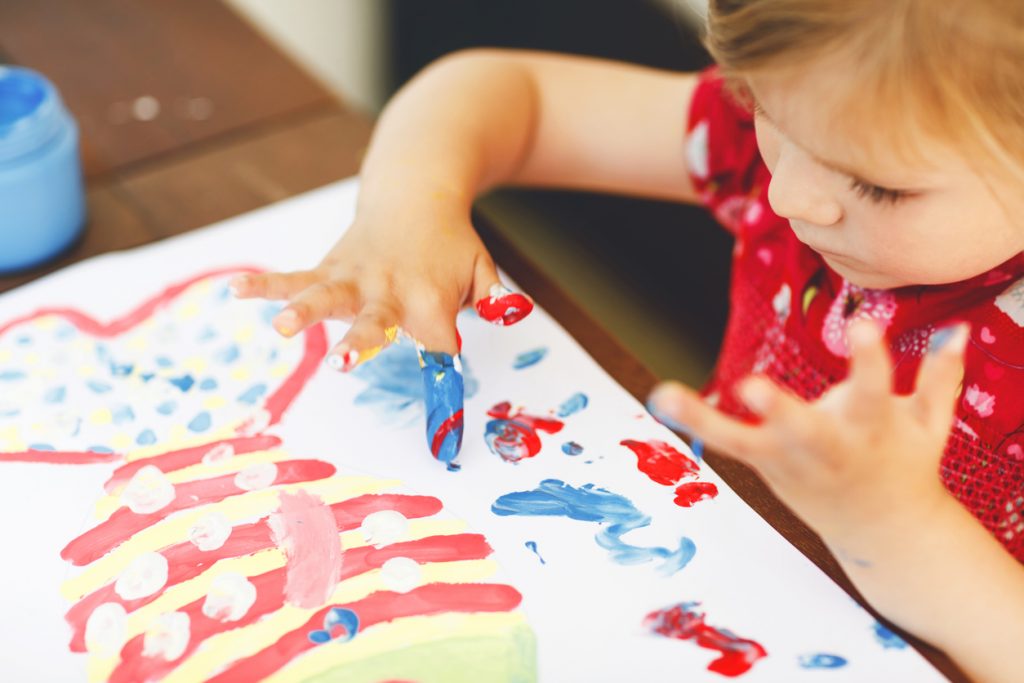
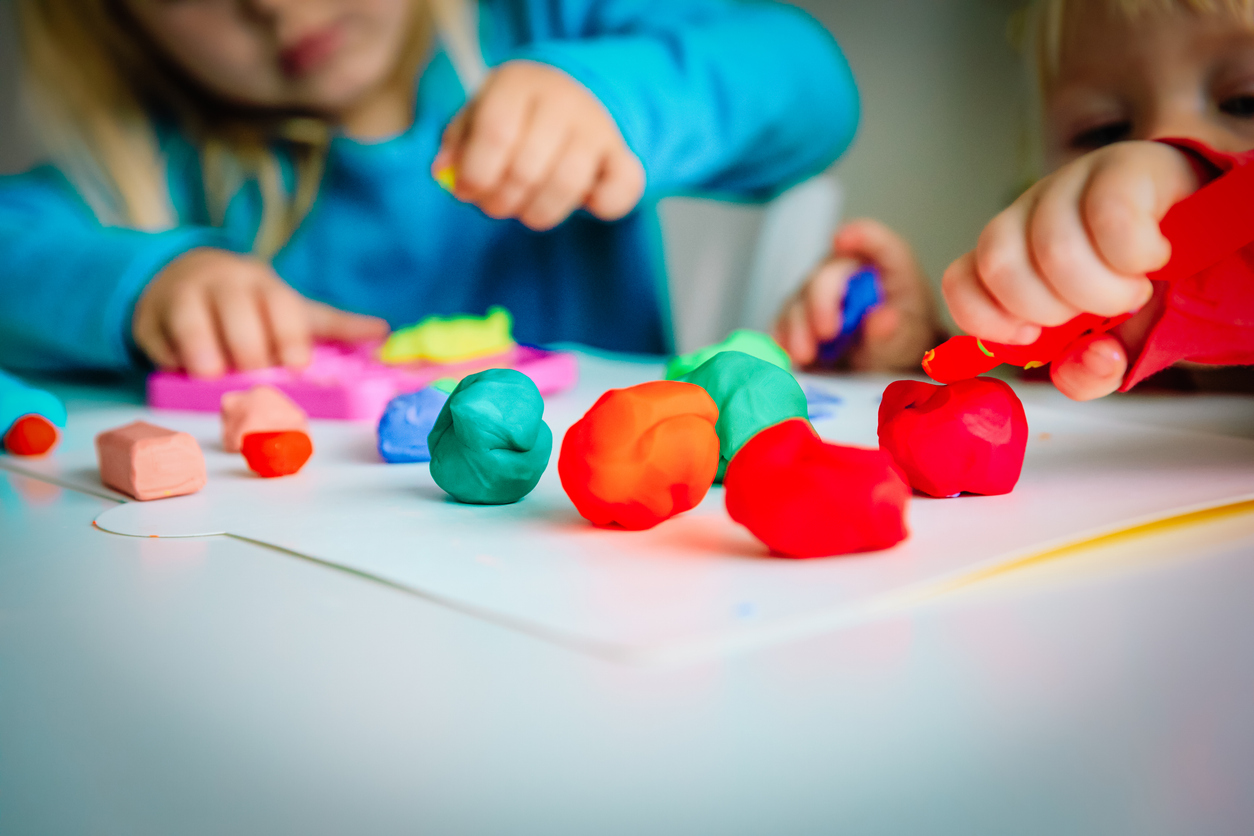
Keep a few open-ended things where your preschooler can reach them. A bin of blocks, some empty containers, paper and crayons, a basket of scarves for dress-up. Set the crayons out and let them draw whatever they want with no model to copy, because open-ended art gives a little kid room to invent. When nothing has batteries, they have to bring the ideas themselves.
When the next “I’m bored” rolls in, try to hold off on rescuing right away. A calm “Hmm, I bet you’ll think of something” hands the problem back to them, which is right where it belongs. Give it ten minutes before you step in. Most of the time, you won’t need to. Expect a little mess and a little grumbling on the way there. A bored kid working toward their own idea isn’t always a calm, tidy sight! That part’s normal, and it passes.
Curiosity Is at the Heart of How We Teach
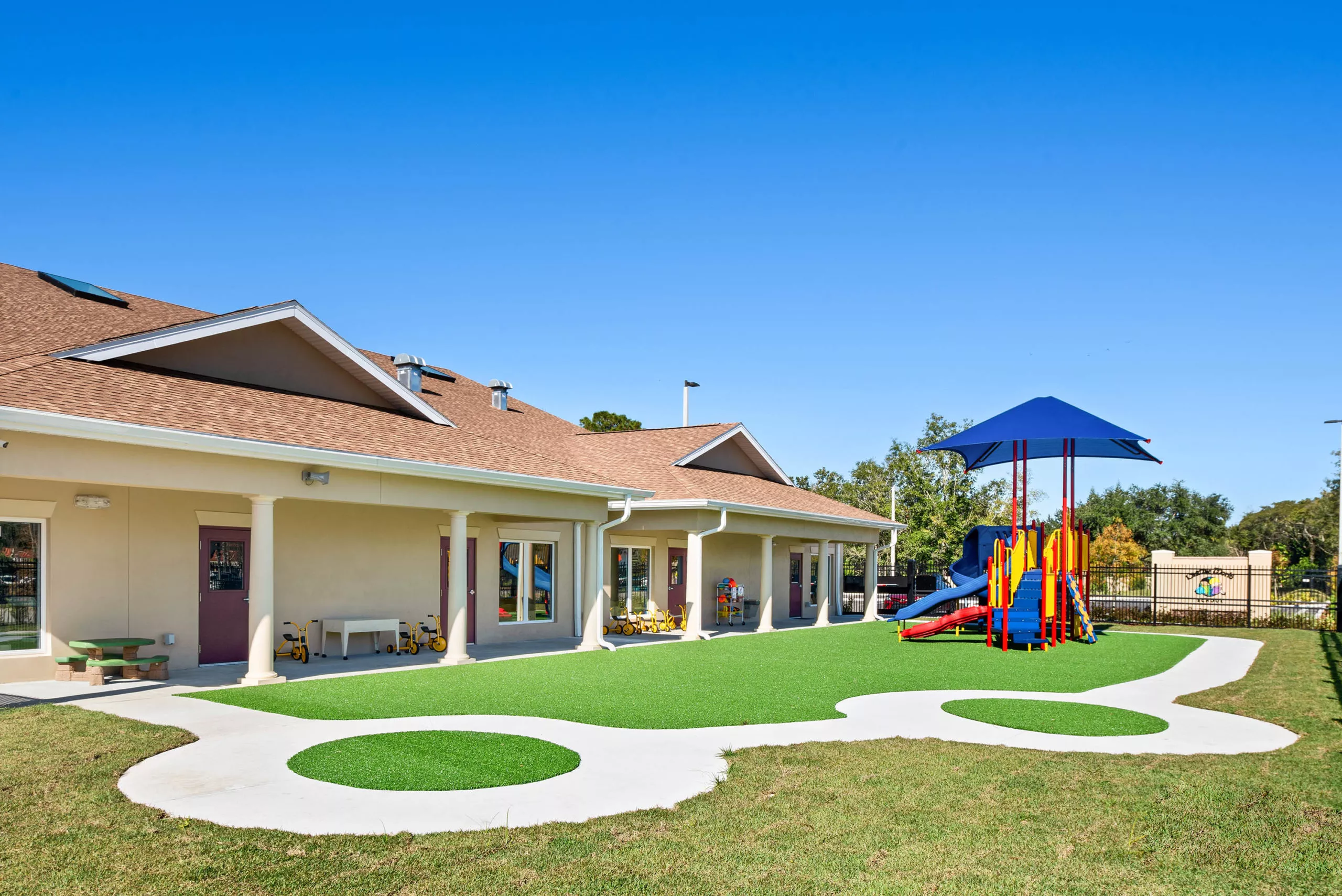
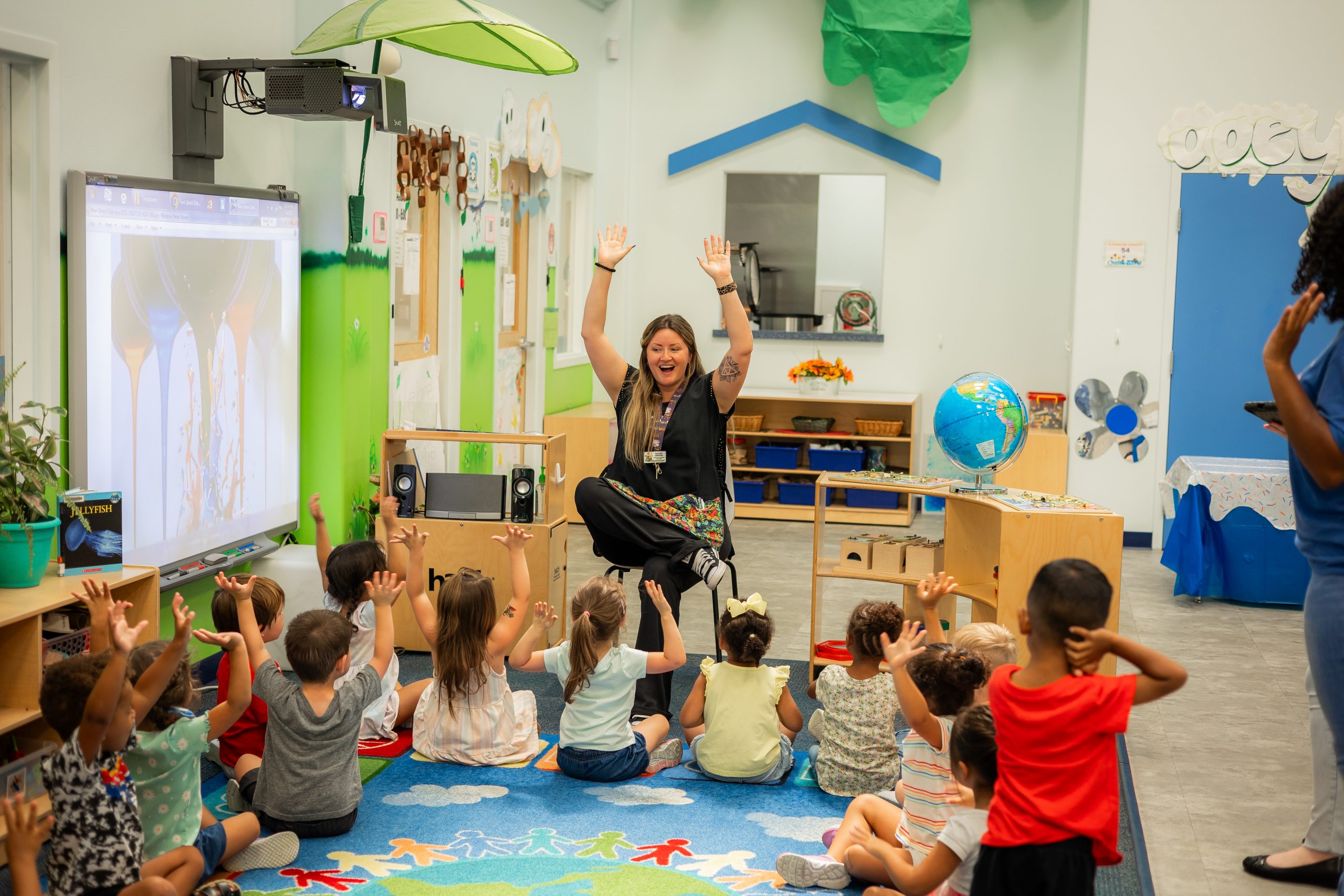
The same curiosity your preschooler runs on during a long, boring afternoon is exactly what we build our days around at Creative World School. Our desk-less classrooms are made for inquiry-based learning, where children follow their own questions and teachers guide right alongside them. In our Exploratorium™, kids get hands-on time to poke at ideas, test things out, and chase whatever catches their eye.
For us, that kind of open-ended discovery sits at the center of our 3 E’s of Excellence™ approach, where Education, Exploration, and Enrichment all start with a curious kid. Boredom, it turns out, is great company for that. Ready to see what curious looks like in a classroom? Find a Creative World School near you and come visit!

Related Articles
Categories
- About Creative World (3)
- All About Water (4)
- Altamonte Springs (1)
- Animal Adventures (4)
- Apollo Beach (6)
- Apopka (4)
- Art (5)
- Avalon (2)
- Avalon Park (5)
- Away We Go (3)
- Back to school (4)
- Belton (4)
- Blogs to Share on Social Media (7)
- Bonita Springs (1)
- Brandon (2)
- Brrr... Cold! (2)
- Buggin' Out (2)
- Build It Up Theme (6)
- CampTastic (3)
- Chesapeake (3)
- Childhood Development (33)
- Children Book Recommendations (14)
- Children Quotes (1)
- Children Songs (1)
- Construction Theme (1)
- Contests (1)
- Creative World Curriculum (4)
- Creative World School (2)
- Crosscreek (4)
- CW Activity (2)
- CW Books (11)
- CW Celebrates (10)
- CW Character Traits (1)
- CW Educational Focus (4)
- CW Spotlight (1)
- Cypress Springs (3)
- Delicious Recipes (2)
- Did You Know? (1)
- Down To Earth (3)
- Early Education (19)
- Education (7)
- Estero (8)
- Fall Activities (7)
- Fall Festival (1)
- Fishhawk (3)
- Food (2)
- Franchise (1)
- Franklin Township (3)
- Friendship Theme (1)
- Fun National Holidays (19)
- Georgetown, TX (2)
- Health & Safety (5)
- In The Sky (2)
- In The Trees (4)
- iSTEAM (3)
- Katy, TX (4)
- Kindergarten (5)
- Land O' Lakes (3)
- Leander, TX (1)
- Lee's Summit (5)
- Liberty (1)
- Literacy (8)
- Loudoun County, VA (2)
- Mealtimes (1)
- Naples (4)
- New Schools (3)
- North Naples (4)
- Oakstead (4)
- Ooey Gooey (1)
- Orlando (5)
- Our Staff Recommends (2)
- Outdoor Activities (13)
- Oviedo (3)
- Parenting (60)
- Parenting Advice (56)
- People We Know (3)
- psychology (1)
- Rivercrest (1)
- Riverview (4)
- RiverWalk (1)
- School Events (3)
- School Readiness (5)
- Sensory Play (2)
- social-emotional (3)
- Space Topic (1)
- Special Events (17)
- St. Cloud (5)
- St. Cloud (1)
- Starkey Ranch (5)
- STEAM (5)
- Summer (3)
- Summer Activities (38)
- Tampa (6)
- That's Me! (2)
- Tips (3)
- To The Grocery Store (2)
- Try this with your kids! (4)
- Tuition (1)
- TX (1)
- UCF (5)
- Uncategorized (74)
- Vinings (2)
- water (1)
- We're SERIOUS about PLAY (2)
- Week of the Young Child (2)
- Wesley Chapel (2)
- Winter Activities (3)