

Help Your Preschooler Explore and Protect the Planet This Earth Day 2026
Creative world school Apr 17, 2026Help Your Preschooler Explore and Protect the Planet This Earth Day 2026
Earth Day falls on April 22nd every year, and most of the ways grownups celebrate it don’t quite make sense to a four-year-old. The documentaries, the statistics, the petitions. None of that connects yet for a kid who’s still figuring out where puddles come from. But the desire to notice the world and want to take care of it, is something preschools have naturally. They’re already there! The job isn’t to convince them the planet matters. It’s about turning that natural wonder into hands-on habits.
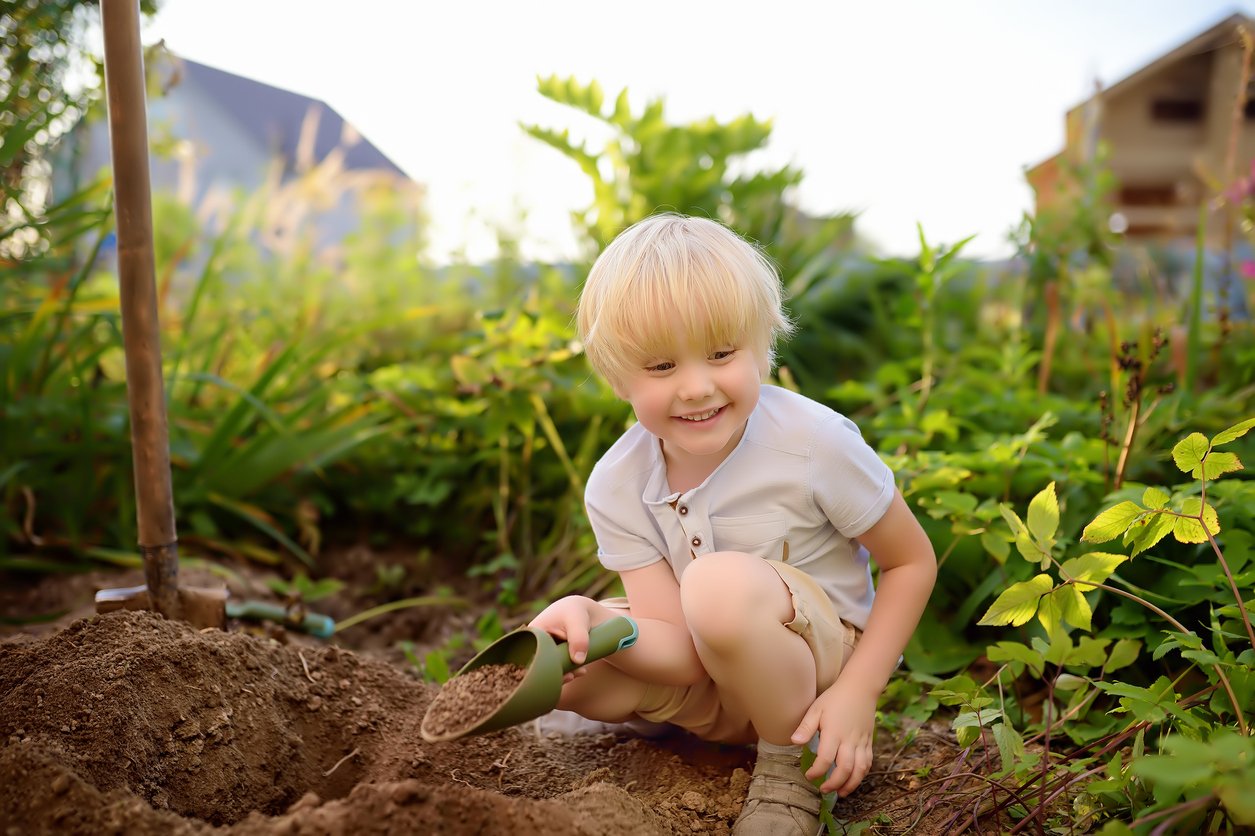
Start with What They Can Actually See
Preschoolers understand their world through the five senses. Big concepts like climate systems and carbon emissions aren’t going to click yet, but what’s right in front of them absolutely will. A worm coming up after a rainstorm. A bird that shows up every April like clockwork. A garden bed that looks completely dead in February and then suddenly isn’t.
Earth Day is a great opportunity to look around and point at the ordinary things your child already notices and give them a little more weight. Try asking “What do you think lives in that tree?” rather than “Let’s learn about ecosystems.” The vocabulary just gets to be smaller, and honestly that’s more fun for both of you.
Spend the Day Outside
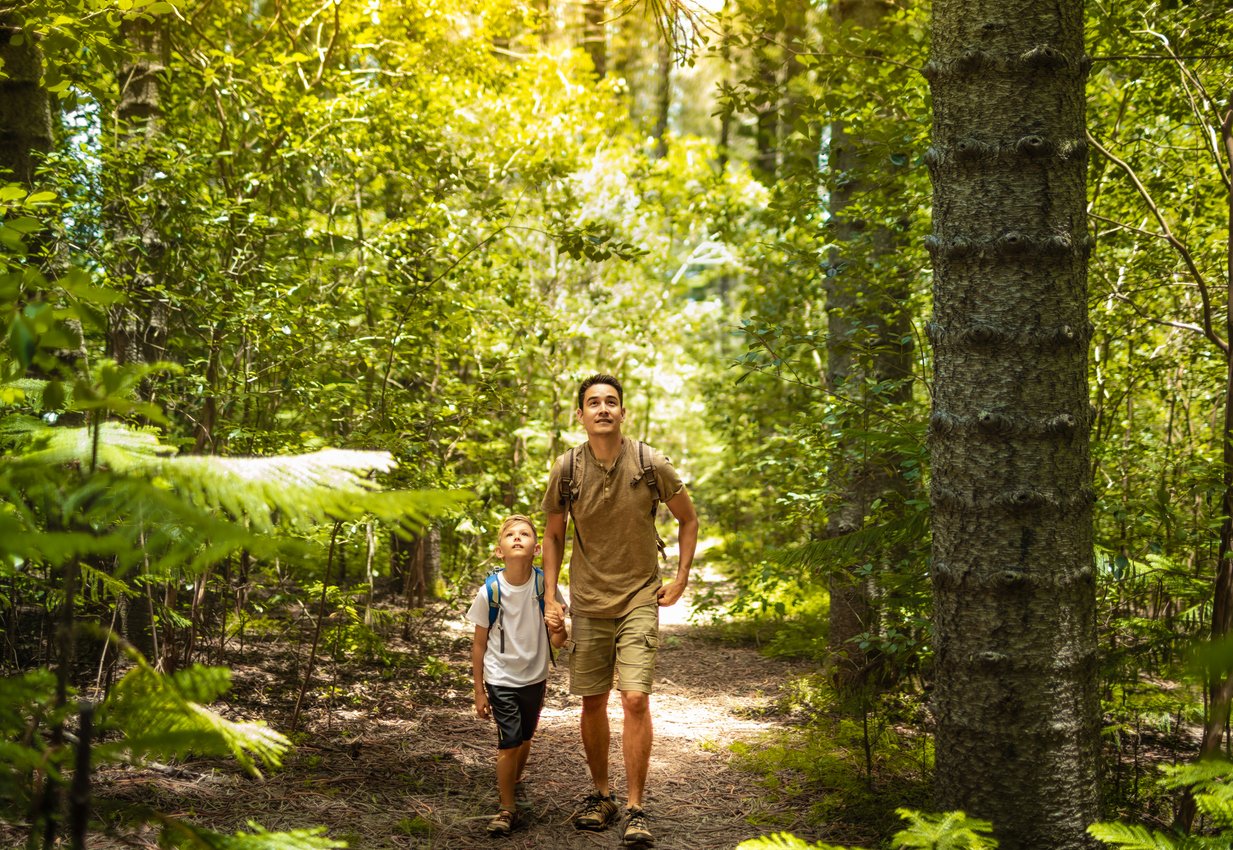
The simplest Earth Day activity for a preschooler is also the most effective one. Go outside and pay attention. Not a structured nature lesson, not a worksheet. Just a walk where you slow down enough to let your child be in charge of what’s interesting.
Let them set the pace. If they want to stop and stare at a puddle for four minutes, stop and stare at the puddle. That kind of attention, staying with something small long enough for it to give something back, is exactly the thinking Earth Day is pointing at. Growing Smarter Outside shows how unstructured outdoor time builds the same curiosity that structured learning does, just through a completely different door.
Earth Day Activities That Preschoolers Love
Specific and short is what holds a preschooler’s attention. These three are worth keeping in your back pocket.
1. Plant something together. One seed in a paper cup on the windowsill is plenty. Tell them they’re growing something that makes the air a little cleaner, then hand over watering duty. Kids take that responsibility seriously! Check it together every morning and ask what they notice has changed. Even if nothing looks different yet, the looking is the point. The Curious Garden by Peter Brown is the perfect read-aloud to go alongside this one. It’s about a boy who grows a whole garden by himself across an entire city, and most kids ask to hear it more than once.
2. Make a nature journal. Give them paper and crayons and ask them to draw one thing they saw outside today. No labels required. The point is to look closely enough to draw it, and that habit of really looking is the whole lesson.
3. Sort the recycling together. Tell them what goes in which bin and let them be the one who puts it there. Preschoolers love having a real job, and this one actually counts. For a bigger list of ideas, 10 Earth Day Adventures for Preschoolers is worth bookmarking for the whole week.
Making One Habit Stick After April 22nd
The most valuable thing Earth Day can do for a preschooler is turn one small action into something that just feels normal. Not a whole list of new rules. One habit. Turning off the lights when they leave a room. Checking if something can be recycled before it hits the trash. Stopping by the windowsill plant each morning to see if it needs water.
At this age, the window for turning a repeated action into a reflex is genuinely wide open. Routines stick fast when they start young. Simple At-Home Inquiry Activities for Preschoolers has good ideas for building that kind of noticing into the regular week, not just once a year on April 22nd.
What This Looks Like at Creative World School
At Creative World School, Earth Day isn’t a one-day event. The curiosity behind it, looking closely, asking real questions, caring about what’s alive and growing around you, is baked into how we do things every single week. Kids don’t need a special occasion to be scientists about the world. They just need a space that takes their questions seriously.
If you’d like to see what that looks like in an actual classroom, schedule a visit to find a school near you. We’d love to show you around!

Related Articles
-
10 Storytime Favorites for Random Acts of Kindness Day

-
10 Sweet and Simple Valentine’s Day Ideas Preschoolers Will Love

-
20 Wacky Animal Facts to Celebrate World Animal Day

-
38 Surprising Facts to Celebrate Read Across America Day

-
6 Tasty Ways to Turn National Grilled Cheese Day into a Learning Adventure for Your Preschooler
Categories
- About Creative World (3)
- All About Water (4)
- Altamonte Springs (1)
- Animal Adventures (4)
- Apollo Beach (5)
- Apopka (4)
- Art (5)
- Avalon (2)
- Avalon Park (4)
- Away We Go (3)
- Back to school (3)
- Belton (4)
- Blogs to Share on Social Media (7)
- Bonita Springs (1)
- Brandon (2)
- Brrr... Cold! (2)
- Buggin' Out (2)
- Build It Up Theme (6)
- CampTastic (3)
- Chesapeake (2)
- Childhood Development (26)
- Children Book Recommendations (13)
- Children Quotes (1)
- Children Songs (1)
- Construction Theme (1)
- Contests (1)
- Creative World Curriculum (4)
- Creative World School (2)
- Crosscreek (4)
- CW Activity (2)
- CW Books (11)
- CW Celebrates (10)
- CW Character Traits (1)
- CW Educational Focus (4)
- CW Spotlight (1)
- Cypress Springs (3)
- Delicious Recipes (2)
- Did You Know? (1)
- Down To Earth (3)
- Early Education (19)
- Education (7)
- Estero (8)
- Fall Activities (3)
- Fall Festival (1)
- Fishhawk (2)
- Food (2)
- Franchise (1)
- Franklin Township (3)
- Friendship Theme (1)
- Fun National Holidays (19)
- Georgetown, TX (2)
- Health & Safety (5)
- In The Sky (2)
- In The Trees (4)
- iSTEAM (1)
- Katy, TX (4)
- Kindergarten (5)
- Land O' Lakes (2)
- Leander, TX (1)
- Lee's Summit (5)
- Liberty (1)
- Literacy (8)
- Loudoun County, VA (1)
- Mealtimes (1)
- Naples (3)
- New Schools (1)
- North Naples (3)
- Oakstead (4)
- Ooey Gooey (1)
- Orlando (5)
- Our Staff Recommends (2)
- Outdoor Activities (11)
- Oviedo (3)
- Parenting (55)
- Parenting Advice (47)
- People We Know (3)
- psychology (1)
- Rivercrest (1)
- Riverview (4)
- RiverWalk (1)
- School Events (3)
- School Readiness (5)
- Sensory Play (2)
- social-emotional (3)
- Space Topic (1)
- Special Events (17)
- St. Cloud (5)
- St. Cloud (1)
- Starkey Ranch (5)
- STEAM (5)
- Summer (3)
- Summer Activities (32)
- Tampa (6)
- That's Me! (2)
- Tips (3)
- To The Grocery Store (2)
- Try this with your kids! (4)
- Tuition (1)
- TX (1)
- UCF (5)
- Uncategorized (74)
- Vinings (2)
- water (1)
- We're SERIOUS about PLAY (2)
- Week of the Young Child (2)
- Wesley Chapel (2)
- Winter Activities (3)