
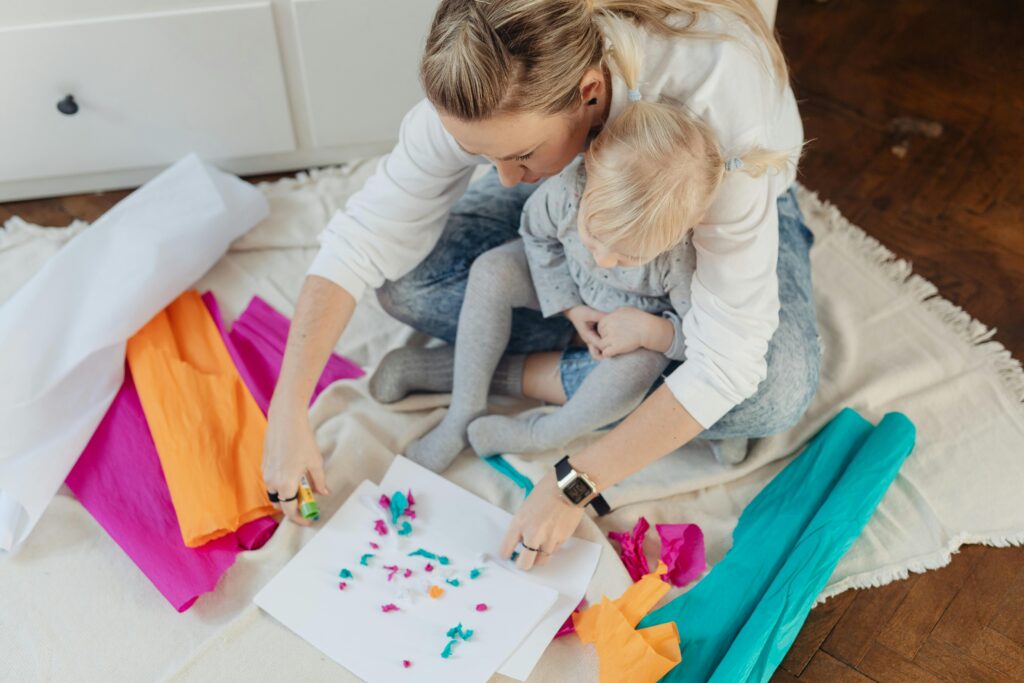
Put the Tablet Down. Here’s What Actually Holds a Preschooler’s Attention.
Creative world school Apr 28, 2026Every parent has been there. It’s 4:00 pm, dinner’s not started, and handing over the tablet feels like the only move that buys 20 minutes of peace. No judgment here. But if you’ve noticed your kiddo getting a little glassy after too much screen time, you’re probably already wondering what to swap in.
Preschoolers are actually pretty easy to captivate. Their brains are wired for hands-on exploring, so the bar for “interesting” is lower than you’d think. A bowl of water and some measuring cups can hold a three-year-old’s attention longer than most apps. A cardboard box becomes a rocket ship for an hour. Here’s what actually works.
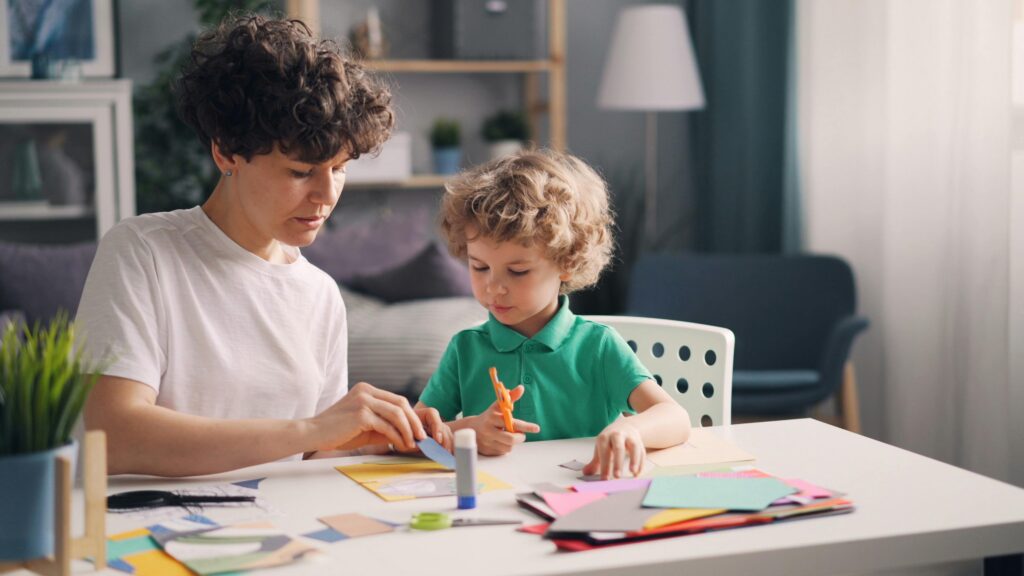
Why Screen-Free Play Matters During the Preschool Years
Screens aren’t the enemy, and occasional tablet time won’t derail your child’s development. But the preschool years are when kids build skills through touching, moving, making, and talking, and those things are hard to replicate on a screen. When your child squishes playdough, sorts colored blocks, or acts out a story with stuffed animals, they’re working on fine motor skills, creative thinking, and early language all at once.
According to the Common Sense Media 2025 Census, kids ages 2 to 4 average just over two hours of screen time per day. That’s not a catastrophe, but it does leave less room in the day for the hands-on play that builds skills screens can’t. A 2023 study published in ScienceDirect found that preschoolers who spent more time on screens scored lower on language production, language comprehension, and parent-child closeness. Our post on screen time recommendations for toddlers has a helpful breakdown of the guidelines by age if you want more context.
Screen-Free Art Activities That Build Real Skills
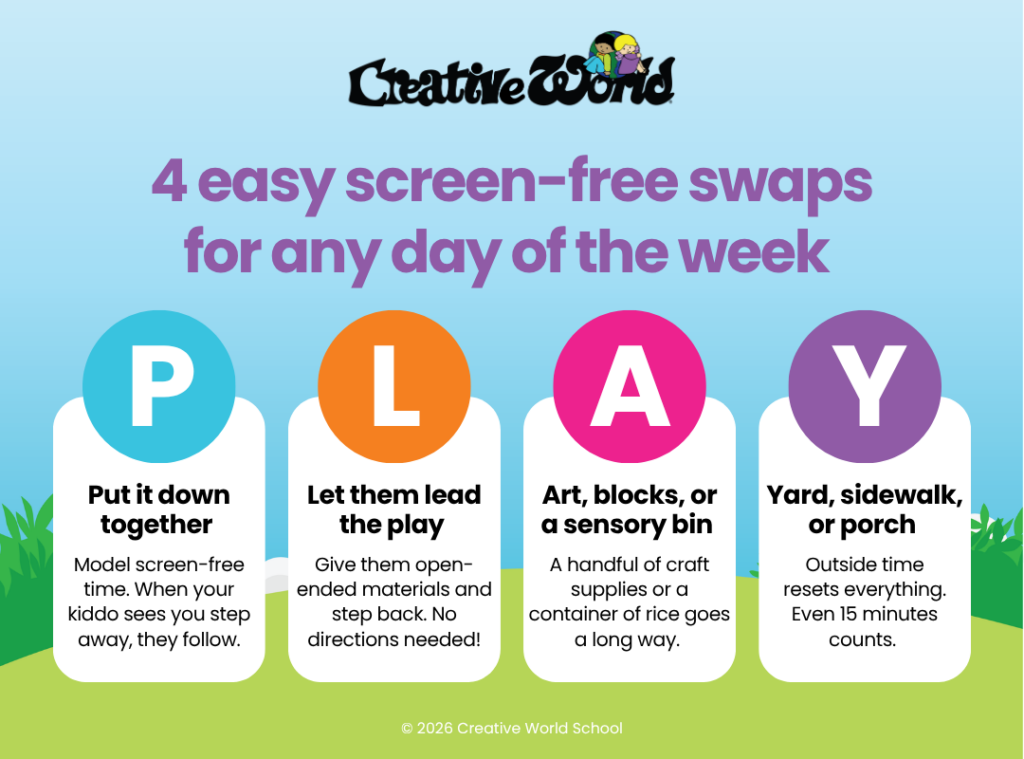
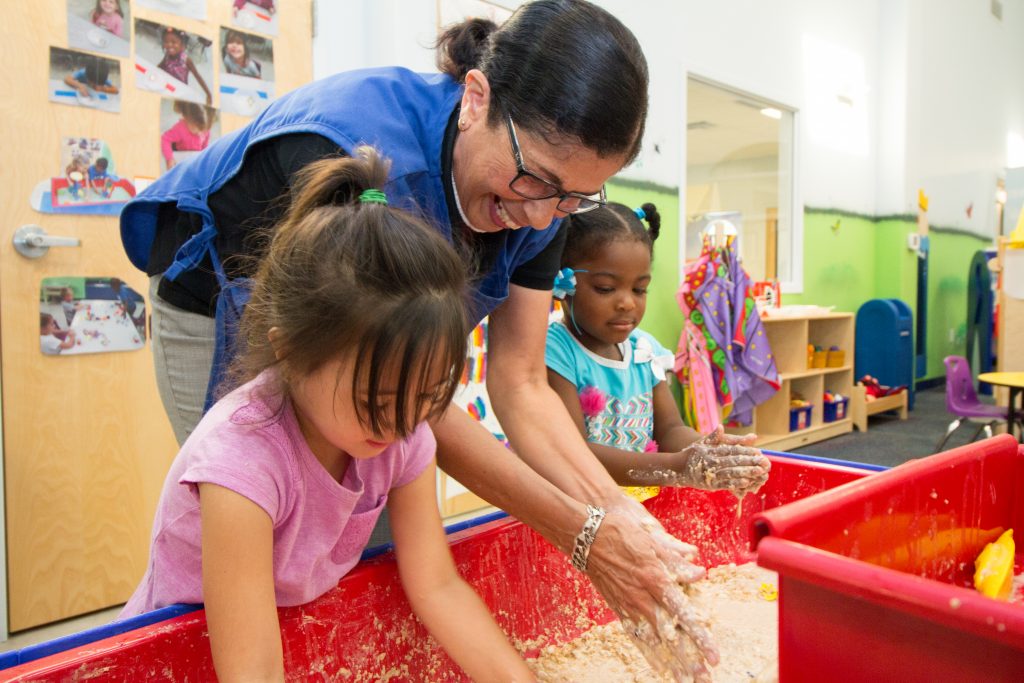
Sensory play is one of the easiest ways to go screen-free without a lot of prep. Fill a container with dry rice and hide small toys inside for your kiddo to dig out. Set up a water play station in the sink with cups, spoons, and a few drops of food coloring. Pull out the playdough and let them go wild. These activities feel like pure play to your child but they’re doing a lot of developmental heavy lifting at the same time!
The Busy Toddler’s Guide to Sensory Play by Busy Toddler has tons of low-mess setups if you want more ideas that don’t require a major cleanup. Our post on easy DIY sensory play ideas has some great starting points too.
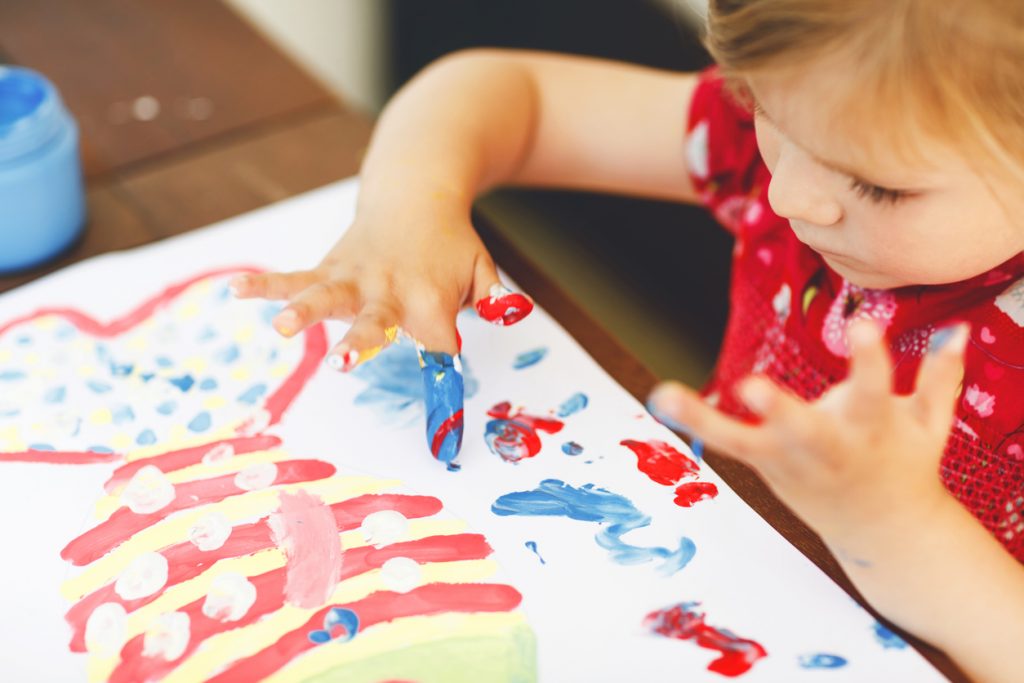
Open-ended art is one of the best screen-free swaps because there’s no wrong way to do it. Hand your preschooler some paper and crayons and just see what happens. Try collage with torn magazine pages, glue, and construction paper. Set out watercolors and let them paint whatever they’re thinking about. The process matters a lot more than the product at this age, so resist the urge to show them “how” and just let them explore.
See if they can tell you about what they made when they’re done. Open-ended questions like “what’s happening in your picture?” get kids talking and thinking in a way that closed questions don’t. It’s a small thing that makes a real difference.
For more on how art supports development, check out our post on how open-ended art sparks creativity in preschoolers.
Getting Outside Is the Easiest Screen-Free Activity There Is
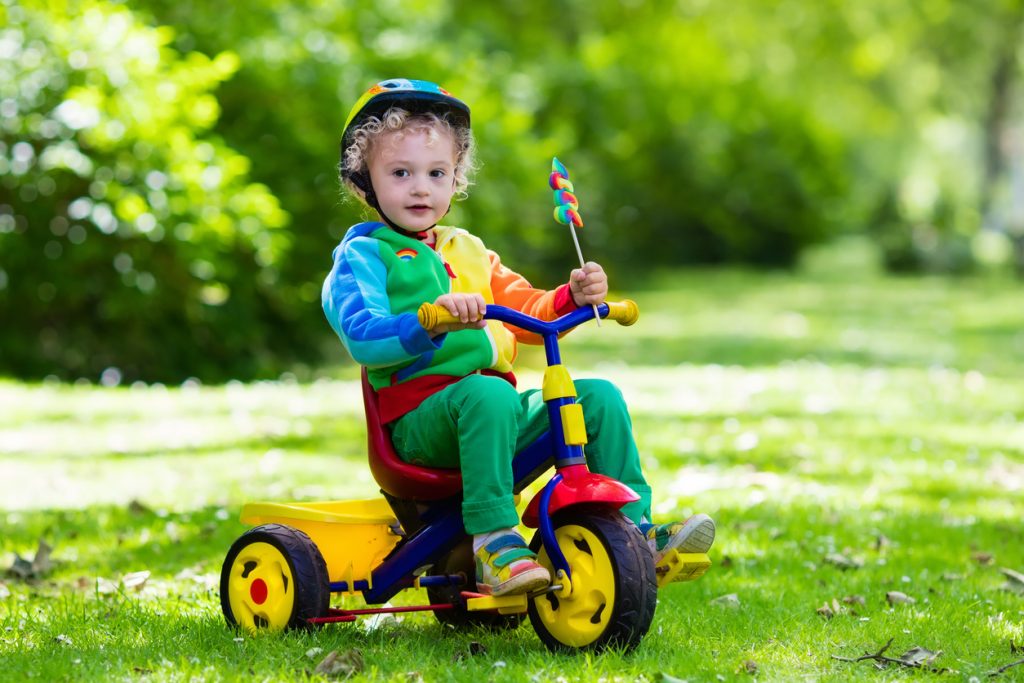
Fresh air and an unstructured outdoor environment are genuinely hard to beat. Preschoolers who spend time outside tend to be calmer, more focused, and better sleepers, and all they really need is a yard, a sidewalk, or a patch of grass. Sidewalk chalk, a bucket of water and a paintbrush to “paint” the driveway, a magnifying glass for bug-hunting, or just a pile of sticks can keep a preschooler busy for a solid stretch.
If you want to make it a little more intentional, turn it into a nature walk with a simple scavenger hunt. Point to something and let them guess what made it. Was it the wind? An animal? Rain? These little moments of wondering are exactly how early science thinking gets built. Our post on nature-based learning for preschoolers has more ideas if your kiddo loves being outside.
How to Make Screen-Free Time Stick as a Daily Habit
The tricky part about screen-free time isn’t coming up with ideas. It’s getting it to stick. A few things that help: keeping a small bin of go-to supplies within reach like crayons, playdough, blocks, and stickers; building a short screen-free window into the same part of the day so it becomes routine; and sometimes just sitting near your child while they play without directing them. Your presence makes independent play feel safer to a preschooler, even if you’re just folding laundry nearby.
At Creative World, screen-free hands-on learning is built into every single day. If you’re curious about how we approach it, find a school near you and come see the Exploratorium in action!

Related Articles
-
10 Creative Strategies for Introducing New Foods to Picky Toddlers: Tips and Tricks
-
10 Earth Day Adventures for Preschoolers
-
7 Fast Yet Nutritious Toddler Breakfasts for Busy Parents

-
Achieving Work-Life Balance with Young Kids: Practical Tips for Busy Parents

-
An Unstructured Summer Helps Your Preschooler Grow
Categories
- About Creative World (3)
- All About Water (4)
- Altamonte Springs (1)
- Animal Adventures (4)
- Apollo Beach (6)
- Apopka (4)
- Art (5)
- Avalon (2)
- Avalon Park (5)
- Away We Go (3)
- Back to school (4)
- Belton (4)
- Blogs to Share on Social Media (7)
- Bonita Springs (1)
- Brandon (2)
- Brrr... Cold! (2)
- Buggin' Out (2)
- Build It Up Theme (6)
- CampTastic (3)
- Chesapeake (3)
- Childhood Development (33)
- Children Book Recommendations (14)
- Children Quotes (1)
- Children Songs (1)
- Construction Theme (1)
- Contests (1)
- Creative World Curriculum (4)
- Creative World School (2)
- Crosscreek (4)
- CW Activity (2)
- CW Books (11)
- CW Celebrates (11)
- CW Character Traits (1)
- CW Educational Focus (4)
- CW Spotlight (1)
- Cypress Springs (3)
- Delicious Recipes (2)
- Did You Know? (1)
- Down To Earth (3)
- Early Education (19)
- Education (7)
- Estero (8)
- Fall Activities (10)
- Fall Festival (1)
- Fishhawk (3)
- Food (2)
- Franchise (1)
- Franklin Township (4)
- Friendship Theme (1)
- Fun National Holidays (19)
- Georgetown, TX (3)
- Health & Safety (5)
- In The Sky (2)
- In The Trees (4)
- iSTEAM (5)
- Katy, TX (5)
- Kindergarten (5)
- Land O' Lakes (3)
- Leander, TX (1)
- Lee's Summit (5)
- Liberty (1)
- Literacy (8)
- Loudoun County, VA (2)
- Mealtimes (1)
- Naples (4)
- New Schools (3)
- North Naples (4)
- Oakstead (4)
- Ooey Gooey (1)
- Orlando (5)
- Our Staff Recommends (2)
- Outdoor Activities (14)
- Oviedo (4)
- Parenting (62)
- Parenting Advice (60)
- People We Know (3)
- psychology (1)
- Rivercrest (1)
- Riverview (4)
- RiverWalk (1)
- School Events (3)
- School Readiness (5)
- Sensory Play (2)
- social-emotional (3)
- Space Topic (1)
- Special Events (17)
- St. Cloud (2)
- St. Cloud (5)
- Starkey Ranch (5)
- STEAM (5)
- Summer (3)
- Summer Activities (38)
- Tampa (6)
- That's Me! (2)
- Tips (3)
- To The Grocery Store (2)
- Try this with your kids! (4)
- Tuition (1)
- TX (1)
- UCF (5)
- Uncategorized (72)
- Vinings (2)
- water (1)
- We're SERIOUS about PLAY (2)
- Week of the Young Child (2)
- Wesley Chapel (2)
- Winter Activities (3)