
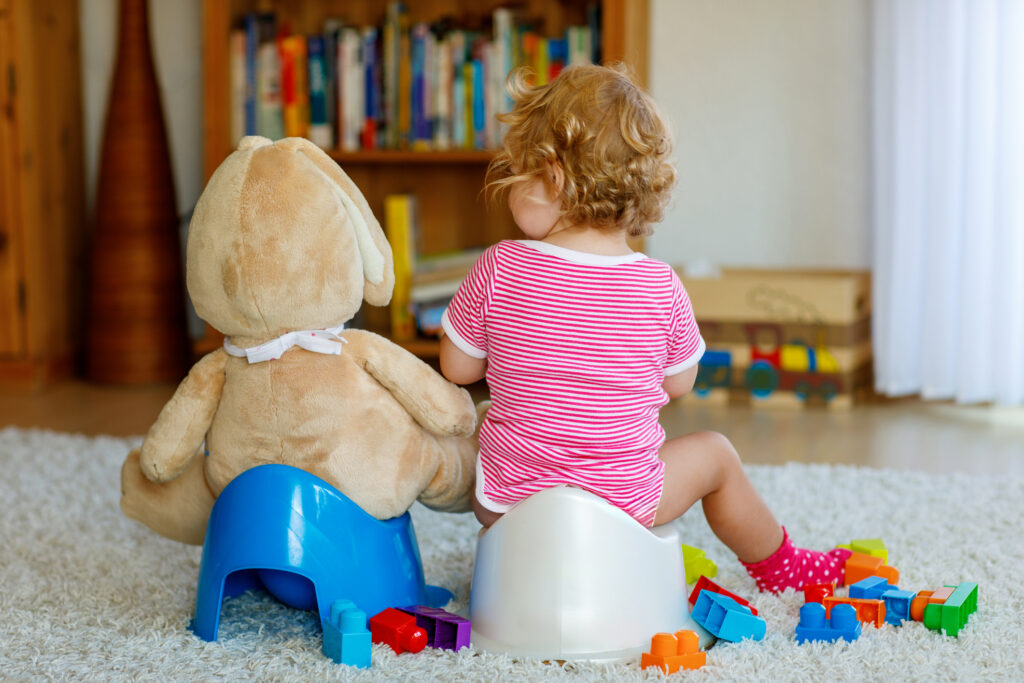
The Calm and Effective Guide to Potty Training Your Toddler
Creative world school Apr 20, 2026At some point, every parent finds themselves googling potty training at 11pm. You’re watching your toddler for signs, reading conflicting advice, and trying to figure out if you’re starting too early, too late, or right on time.
What actually matters is simpler than most of what you’ll read about it. It’s all about readiness. The AAP says most kids show the physical and behavioral signs of being ready somewhere between 18 and 36 months, but the average age to start in the US has shifted to between 21 and 36 months. That window is wide on purpose. Kids vary a lot, and rushing it tends to make the whole process take longer, not shorter.
So before you buy the potty chair or set a start date, here’s what to look for.
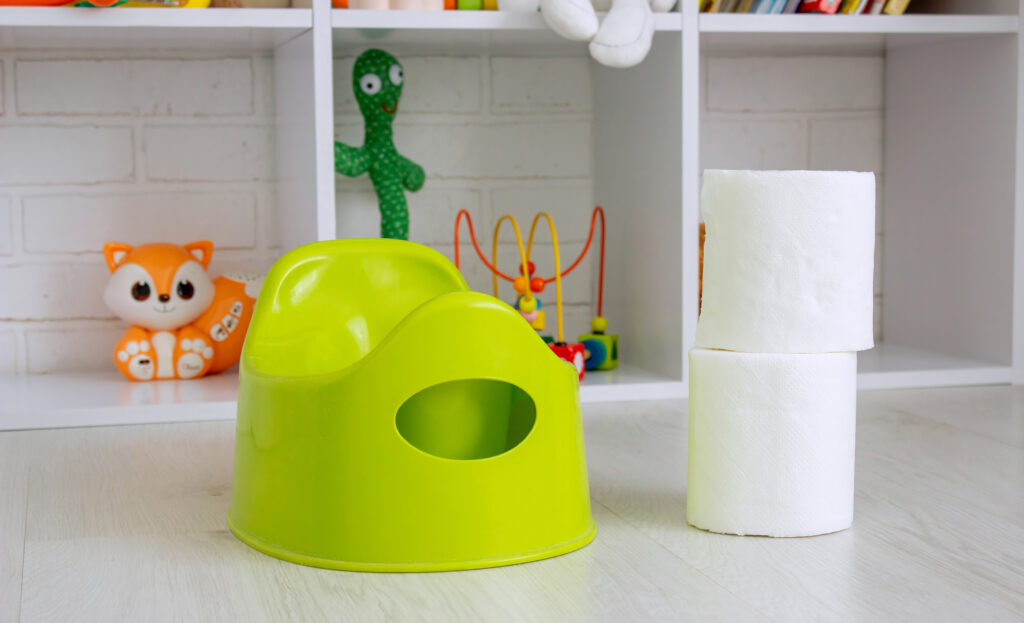
Potty Training Readiness Signs to Watch For
Readiness is a combination of physical control, growing awareness, and the ability to follow simple directions. Most kids won’t have all of these at once, but when several start showing up together, the timing is probably right.
One of the clearest signs is staying dry for at least two hours at a stretch. That means the bladder is developing the control it needs, and if the diaper is always wet the moment you check it, the body just isn’t quite there yet. That’s completely normal at 18 months. A second thing to watch for is awareness of what’s happening. Going quiet, squatting, hiding behind the couch, or telling you after the fact are all signs your kiddo is tuning in. That awareness has to come before control, so if they’re narrating what just happened in their diaper, that’s actually progress! Beyond the physical side, look for the ability to follow two-step directions, like “go get your shoes and bring them here.” If that’s still hit or miss, give it a few more weeks. And finally, some genuine interest in the whole thing. A child who wants to watch, asks questions, or wants to sit on the potty just to try is giving you a pretty clear green light.
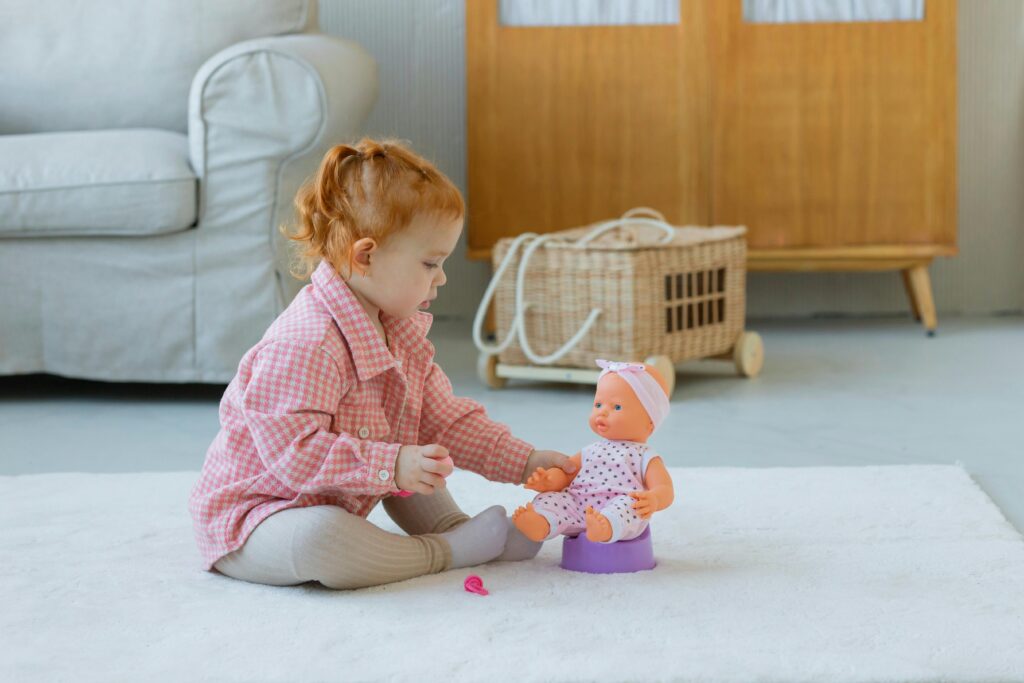
Potty Training Methods That Work for Most Toddlers
There’s no single right method, and a lot of what works depends on your child’s personality. That said, a few approaches tend to work well across the board.
Consistency matters more than intensity. Picking set times to sit on the potty, like after breakfast, before nap, and before bed, builds the habit gradually without pressure. A three-day boot camp works great for some kids and backfires completely for others. Slow and steady works just as well for plenty of toddlers, and there’s no award for finishing first.
Keep the language neutral and upbeat. Celebrate the wins with genuine enthusiasm and treat accidents as totally ordinary. “Oops, let’s clean it up” and moving on is far more effective than big reactions in either direction. Your kiddo takes their emotional cues from you on this one.
Let your child pick their own potty or underwear if they’re showing interest. Giving them a small sense of ownership in the process goes a long way. See if they can point to which one they want at the store and let that be their choice!
When Potty Training Takes Longer Than Expected
Some kids get it in a few days. Others take several months, and both are completely within the normal range. A child who trained quickly for pee might take much longer for poop, or might be fully trained at home but struggle at preschool. All of it is normal.
If your child was making progress and then suddenly seems to go backward, a change in routine is usually the reason. A new sibling, starting preschool, moving to a new house, or even a minor illness can set things back for a few weeks. Stay calm, go back to basics, and give it time. The emotional and social benefits of starting preschool early are worth keeping in mind here too. Preschool actually tends to help with potty training for a lot of kids, because peers are powerful motivators. Seeing other children using the bathroom independently often clicks in a way that no amount of parental encouragement can.
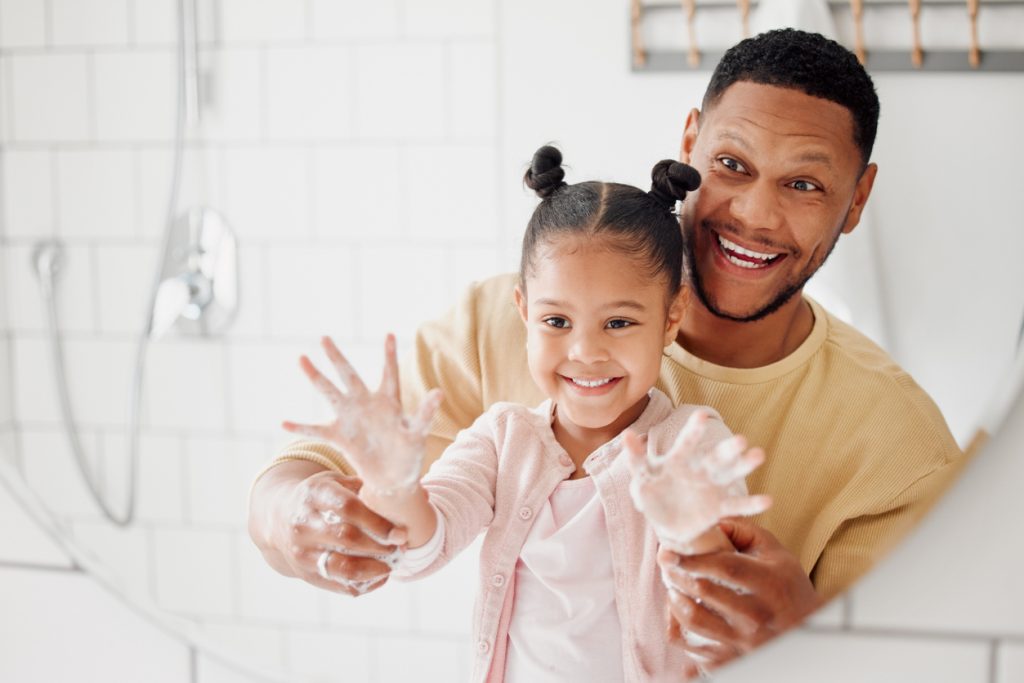
How Preschool Supports Potty Training at Home
A good preschool program keeps the same consistent, calm approach at school that you’re building at home. At Creative World School, our teachers follow each child’s lead and work closely with families during transitions like potty training, so the experience stays as stress-free as possible on both sides.
If you’re in the middle of potty training and thinking about starting preschool, find a school near you and ask about how we handle it during your tour. It’s one of the most common questions we get, and we love talking through it!

Related Articles
Categories
- About Creative World (3)
- All About Water (4)
- Altamonte Springs (1)
- Animal Adventures (4)
- Apollo Beach (6)
- Apopka (4)
- Art (5)
- Avalon (2)
- Avalon Park (5)
- Away We Go (3)
- Back to school (4)
- Belton (4)
- Blogs to Share on Social Media (7)
- Bonita Springs (1)
- Brandon (2)
- Brrr... Cold! (2)
- Buggin' Out (2)
- Build It Up Theme (6)
- CampTastic (3)
- Chesapeake (2)
- Childhood Development (33)
- Children Book Recommendations (13)
- Children Quotes (1)
- Children Songs (1)
- Construction Theme (1)
- Contests (1)
- Creative World Curriculum (4)
- Creative World School (2)
- Crosscreek (4)
- CW Activity (2)
- CW Books (11)
- CW Celebrates (10)
- CW Character Traits (1)
- CW Educational Focus (4)
- CW Spotlight (1)
- Cypress Springs (3)
- Delicious Recipes (2)
- Did You Know? (1)
- Down To Earth (3)
- Early Education (19)
- Education (7)
- Estero (8)
- Fall Activities (3)
- Fall Festival (1)
- Fishhawk (3)
- Food (2)
- Franchise (1)
- Franklin Township (3)
- Friendship Theme (1)
- Fun National Holidays (19)
- Georgetown, TX (2)
- Health & Safety (5)
- In The Sky (2)
- In The Trees (4)
- iSTEAM (1)
- Katy, TX (4)
- Kindergarten (5)
- Land O' Lakes (3)
- Leander, TX (1)
- Lee's Summit (5)
- Liberty (1)
- Literacy (8)
- Loudoun County, VA (1)
- Mealtimes (1)
- Naples (3)
- New Schools (1)
- North Naples (4)
- Oakstead (4)
- Ooey Gooey (1)
- Orlando (5)
- Our Staff Recommends (2)
- Outdoor Activities (13)
- Oviedo (3)
- Parenting (59)
- Parenting Advice (52)
- People We Know (3)
- psychology (1)
- Rivercrest (1)
- Riverview (4)
- RiverWalk (1)
- School Events (3)
- School Readiness (5)
- Sensory Play (2)
- social-emotional (3)
- Space Topic (1)
- Special Events (17)
- St. Cloud (1)
- St. Cloud (5)
- Starkey Ranch (5)
- STEAM (5)
- Summer (3)
- Summer Activities (38)
- Tampa (6)
- That's Me! (2)
- Tips (3)
- To The Grocery Store (2)
- Try this with your kids! (4)
- Tuition (1)
- TX (1)
- UCF (5)
- Uncategorized (74)
- Vinings (2)
- water (1)
- We're SERIOUS about PLAY (2)
- Week of the Young Child (2)
- Wesley Chapel (2)
- Winter Activities (3)