

How Positive Reinforcement Transforms Your Preschooler
Creative world school Mar 25, 2026You’ve likely had those moments where you watch your child handle a challenge or (finally!) follow your instructions, and you just want to jump up and clap. That natural instinct to notice and applaud your child’s wins is the core of positive reinforcement. It’s one of the most effective ways to guide your child, and it’s far more practical than it sounds. In this guide, you’ll see how to use this tool in your everyday life, why it’s so different from simple bribery, and how it helps your child build healthy habits that last.
What Positive Reinforcement Is
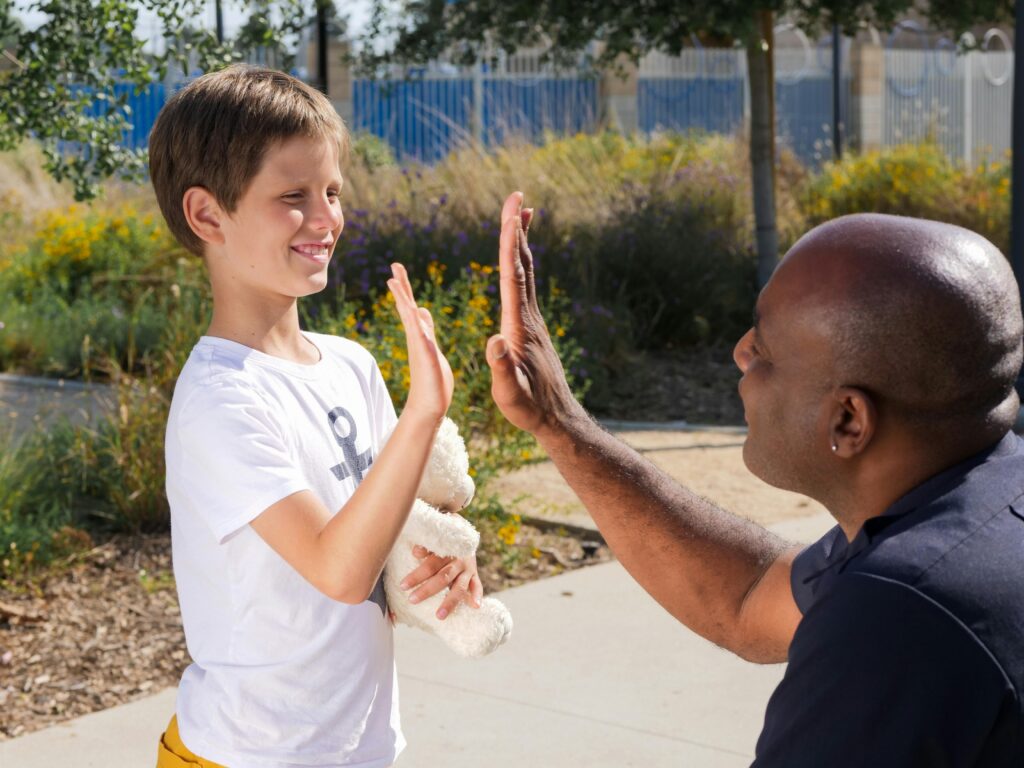
At its core, positive reinforcement is the practice of adding something extra special – like a high-five, a warm hug, or specific verbal praise – immediately after a desired behavior happens. Because our brains are hardwired to repeat actions that lead to good feelings, this process actually strengthens the neural pathways associated with those helpful habits. Research shows that focusing on strengths helps children build the resilience they need for all kinds of challenges. As experts at Harvard’s Graduate School of Education point out, starting with positive feedback creates a supportive foundation that helps your child feel safe and ready to learn!
What Positive Reinforcement Isn’t
It’s easy to mix up positive reinforcement with bribery, but they’re actually quite different. A bribe is offered before a behavior to get a child to do something, which can feel like a stressful, back-and-forth negotiation. True positive reinforcement happens after the behavior is already done. It’s also not about giving a prize for every single thing. When we lean too hard on material rewards like stickers or treats, the overjustification effect can happen, where your child loses interest in the activity and only cares about the “stuff.” The best reinforcement tends to be relational – like when you give them your focused attention and genuine, specific encouragement – which helps your child grow an internal sense of pride.
Why It Works for Little Brains
Preschoolers are still learning to handle big, messy feelings, and they are constantly looking to you to understand how the world works. When you offer specific, positive feedback, you’re basically giving them a clear map for what success looks like. This consistency helps them regulate their emotions and encourages them to cooperate because they feel seen and valued. Positive reinforcement has been shown to reduce defiance by making your child feel capable rather than just corrected. Plus, when you reinforce the effort they put in, you teach them that trying hard is what matters most.
One of the best ways to practice this is by using PRIDE skills, a method used in Parent-Child Interaction Therapy. This includes praising your child, reflecting their words, imitating their play, describing their actions, and simply enjoying your time together. By using these five simple tools during just five minutes of daily special time, you show your child that you’re truly listening and excited about what they’re doing. This focus on positive attention doesn’t just shape their behavior; it builds a strong, trusting bond that helps them feel secure enough to keep growing and trying their best.
If you’re looking for a deeper dive, check out this hour-long session from a Stanford clinician, Kyle Cassidy, LCSW. It’s packed with practical research-backed strategies to help you move from simply reacting to your child’s big feelings to intentionally encouraging the kind of behavior you want to see.
Getting Started at Home
Sometimes it’s easier to address a full-blown tantrum than to recognize a small effort. Start small by noticing one thing your child does well each day, even if it’s just putting their shoes where they belong. When you give them feedback, try to be specific. Instead of a general “good job,” try saying, “I saw how you shared your blocks with your friend, that was so kind!” This helps them understand exactly what behavior you’re so proud of. Remember, your attention is the most valuable thing you have to give. By spending it on the behaviors you want to see more of, you’re planting the seeds for your child to become a confident, kind, and happy little person. You’re doing a great job, and it’s okay to take it one day at a time.
Positive Discipline for Preschoolers by Jane Nelsen is a classic resource that will give you practical tools for teaching life skills through a “kind but firm” approach. Remember, your attention is the most valuable thing you have to give. By spending it on the behaviors you want to see more of, you’re planting the seeds for your child to become a confident, kind, and happy little person. You’re doing a great job, and it’s okay to take it one day at a time.
Growing Confident Learners at Creative World School
At Creative World School, our inquiry-based approach is the perfect playground for positive reinforcement. Because we let children take the lead in their own investigations, every day is full of opportunities to celebrate their natural curiosity and effort. When a child asks a thoughtful question or persists in solving a puzzle, we provide the kind of specific, positive feedback that makes them feel capable and ready for more. By focusing on the joy of discovery and reinforcing their willingness to try, we help your child develop the confidence they need to become a lifelong learner. We would love to show you these principles in action. Contact us today to schedule a tour and see how we help your little explorer shine!

Related Articles



Categories
- About Creative World (3)
- All About Water (4)
- Altamonte Springs (1)
- Animal Adventures (4)
- Apollo Beach (6)
- Apopka (4)
- Art (5)
- Avalon (2)
- Avalon Park (5)
- Away We Go (3)
- Back to school (4)
- Belton (4)
- Blogs to Share on Social Media (7)
- Bonita Springs (1)
- Brandon (2)
- Brrr... Cold! (2)
- Buggin' Out (2)
- Build It Up Theme (6)
- CampTastic (3)
- Chesapeake (3)
- Childhood Development (33)
- Children Book Recommendations (14)
- Children Quotes (1)
- Children Songs (1)
- Construction Theme (1)
- Contests (1)
- Creative World Curriculum (4)
- Creative World School (2)
- Crosscreek (4)
- CW Activity (2)
- CW Books (11)
- CW Celebrates (11)
- CW Character Traits (1)
- CW Educational Focus (4)
- CW Spotlight (1)
- Cypress Springs (3)
- Delicious Recipes (2)
- Did You Know? (1)
- Down To Earth (3)
- Early Education (19)
- Education (7)
- Estero (8)
- Fall Activities (10)
- Fall Festival (1)
- Fishhawk (3)
- Food (2)
- Franchise (1)
- Franklin Township (4)
- Friendship Theme (1)
- Fun National Holidays (19)
- Georgetown, TX (3)
- Health & Safety (5)
- In The Sky (2)
- In The Trees (4)
- iSTEAM (5)
- Katy, TX (5)
- Kindergarten (5)
- Land O' Lakes (3)
- Leander, TX (1)
- Lee's Summit (5)
- Liberty (1)
- Literacy (8)
- Loudoun County, VA (2)
- Mealtimes (1)
- Naples (4)
- New Schools (3)
- North Naples (4)
- Oakstead (4)
- Ooey Gooey (1)
- Orlando (5)
- Our Staff Recommends (2)
- Outdoor Activities (14)
- Oviedo (4)
- Parenting (62)
- Parenting Advice (60)
- People We Know (3)
- psychology (1)
- Rivercrest (1)
- Riverview (4)
- RiverWalk (1)
- School Events (3)
- School Readiness (5)
- Sensory Play (2)
- social-emotional (3)
- Space Topic (1)
- Special Events (17)
- St. Cloud (2)
- St. Cloud (5)
- Starkey Ranch (5)
- STEAM (5)
- Summer (3)
- Summer Activities (38)
- Tampa (6)
- That's Me! (2)
- Tips (3)
- To The Grocery Store (2)
- Try this with your kids! (4)
- Tuition (1)
- TX (1)
- UCF (5)
- Uncategorized (72)
- Vinings (2)
- water (1)
- We're SERIOUS about PLAY (2)
- Week of the Young Child (2)
- Wesley Chapel (2)
- Winter Activities (3)