
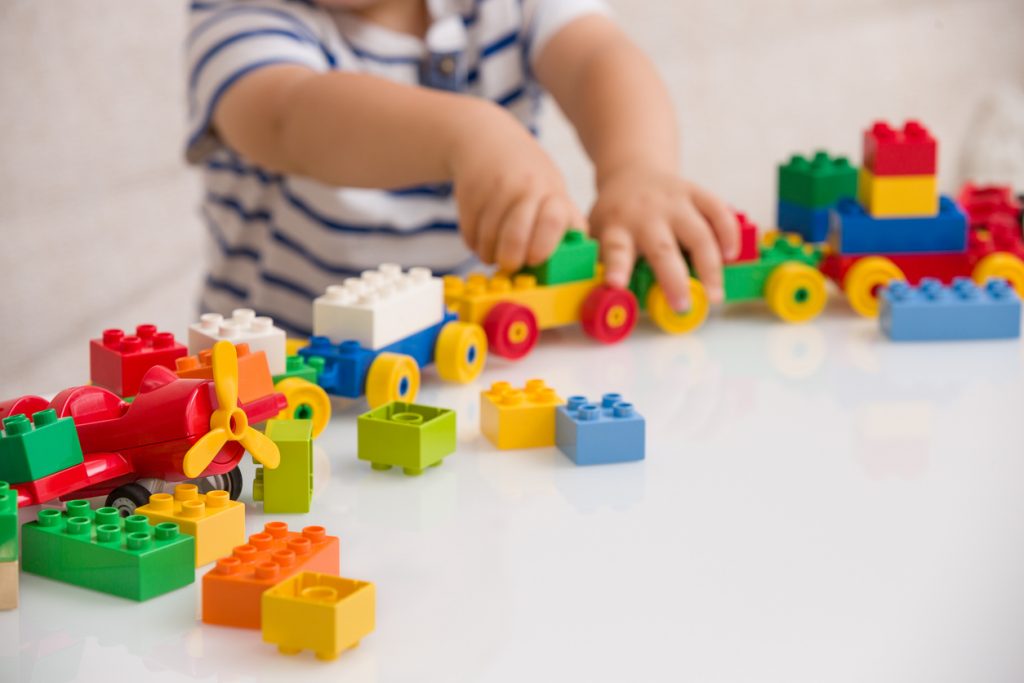
10 Fun Ways to Boost Fine Motor Skills in Your Preschooler
Creative world school Feb 24, 2026Your child’s hands are busier than you think, shaping the skills they’ll use for everything from drawing to dressing themselves. Fine motor skills are the small movements that let your child do everyday things, like holding a crayon, zipping a coat, or buttoning a shirt. While jumping and running are exciting milestones, mastering these smaller hand movements is just as important. Your preschooler builds these skills naturally when they get lots of chances to explore, grab, twist, and pull things with their hands. These activities help them get ready for writing, drawing, and other school tasks. With a few simple activities at home, you can turn ordinary moments into mini workouts for little hands.
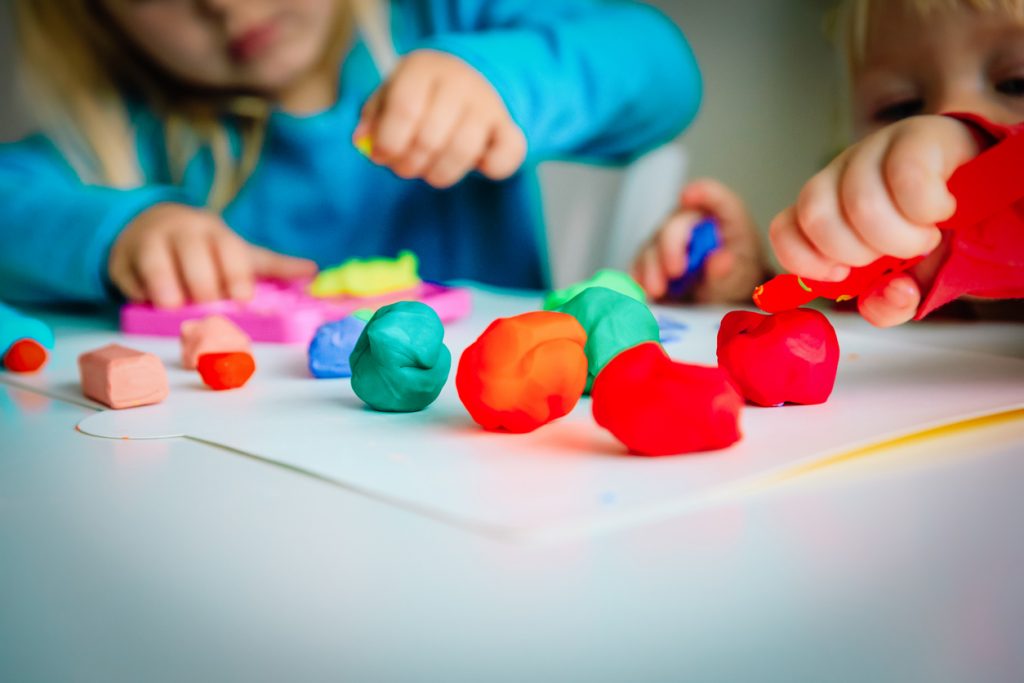
1. Playdough and Clay Fun
Squeezing, rolling, and squishing playdough is one of the easiest ways to strengthen hand muscles. Hide small items like buttons or coins in the dough and let your preschooler dig them out. Flattening, pinching, and stretching the dough also helps them learn to use both hands together, which is important for using scissors, tying shoes, or even catching a ball. Sensory play like this keeps their hands busy while you do other things around the house.
2. Sorting Small Treasures
Sorting games teach the pincer grasp, which is using the thumb and pointer finger to pick up small objects. Give your preschooler tongs or child-safe tweezers to move pom-poms, pasta, or buttons from one bowl to another. You can make it even more fun with an egg carton or ice cube tray to give them spots to sort by color or size. This helps them learn precision and control in a playful way.
3. Lacing and Threading
Threading large beads or lacing yarn through holes is a classic activity for preschoolers ages 3 to 5 because it helps build hand-eye coordination. Start with big beads or even dry pasta and a thick shoelace. Once your child gets the hang of it, you can move to smaller beads or thinner string. Lacing activities are calming, teach patience, and help build the finger strength they need for writing and other fine motor tasks.
4. Scissors and Paper Play
Using age-appropriate scissors is a big milestone. Opening and closing one hand while holding paper steady with the other takes focus and coordination. Let your preschooler start by snipping the edges of old magazines or cutting playdough snakes into pieces. When they feel ready, draw thick lines or simple shapes for them to cut out. Doing something they made themselves gives a huge boost of confidence and shows them what they can accomplish on their own.
5. Building with Blocks
Using large blocks is a great way to build little finger strength. Stacking and balancing the pieces takes focus and fine motor control while helping your child figure out how to keep their tower from falling. You don’t need expensive LEGO sets, just any sturdy, age-appropriate blocks. Make sure the pieces are big enough so there’s no risk of choking. Your preschooler will practice patience, problem-solving, and create new shapes in a fun hands-on way.
6. Water Play with Droppers
Playing with water is always a hit, and it helps build hand strength. Give your preschooler a dropper or small turkey baster and some cups of water. Practicing that squeeze-and-release motion is great for finger muscles. You can even add a few drops of food coloring to make it a little science experiment as they watch the colors mix and move.
7. Spray Bottle Fun
Here’s another wet idea your child will love. Even a simple spray bottle can give little hands a workout. Squeezing the trigger builds hand and forearm strength. Kids can water plants, “wash” the patio, or paint with water on the sidewalk. It’s easy, fun, and helps build the muscles they need for all kinds of fine motor tasks.
8. Buttoning, Zipping, and Snapping
Your child’s clothes and backpacks are full of learning opportunities. Let them try zipping a hoodie, buttoning a shirt, or snapping a bag. It might take a little extra time in the morning, but the independence they gain is worth it. You can also keep a play bin with old clothes or bags for extra practice when there’s no rush.
9. Drawing in Sensory Bins
Writing doesn’t have to start with a pencil. Fill a tray with salt, sand, or shaving cream and let your preschooler draw shapes or “write” their name with their finger. The tactile feeling helps them remember movements and build pre-writing skills. Plus, it’s easy to shake it out and start over, which makes it a low-pressure way to practice. Check out our blog Benefits of Sensory Play for Preschoolers That Every Parent Should Know to learn more about its brain-boosting power!
10. Stickers and Peeling
Peeling stickers off a sheet takes coordination and patience. Give your preschooler a sticker sheet of their favorite things and a page with circles or lines to fill. They’ll practice aiming, controlling pressure, and being precise. These skills carry over to writing, coloring, and other activities that require hand control.
Hands-On Learning at Creative World School
At Creative World School, children learn best through discovery and doing. Every activity, from art to science, is designed to help them build physical skills and confidence. You’re welcome to stop by and see how kids explore, play, and grow through hands-on learning. Schedule a tour and see us in action! Being part of these experiences shows children how fun it can be to use their hands, make choices, and see the results of their efforts.

Related Articles

Categories
- About Creative World (3)
- All About Water (4)
- Altamonte Springs (1)
- Animal Adventures (4)
- Apollo Beach (6)
- Apopka (4)
- Art (5)
- Avalon (2)
- Avalon Park (5)
- Away We Go (3)
- Back to school (4)
- Belton (4)
- Blogs to Share on Social Media (7)
- Bonita Springs (1)
- Brandon (2)
- Brrr... Cold! (2)
- Buggin' Out (2)
- Build It Up Theme (6)
- CampTastic (3)
- Chesapeake (3)
- Childhood Development (33)
- Children Book Recommendations (14)
- Children Quotes (1)
- Children Songs (1)
- Construction Theme (1)
- Contests (1)
- Creative World Curriculum (4)
- Creative World School (2)
- Crosscreek (4)
- CW Activity (2)
- CW Books (11)
- CW Celebrates (10)
- CW Character Traits (1)
- CW Educational Focus (4)
- CW Spotlight (1)
- Cypress Springs (3)
- Delicious Recipes (2)
- Did You Know? (1)
- Down To Earth (3)
- Early Education (19)
- Education (7)
- Estero (8)
- Fall Activities (7)
- Fall Festival (1)
- Fishhawk (3)
- Food (2)
- Franchise (1)
- Franklin Township (3)
- Friendship Theme (1)
- Fun National Holidays (19)
- Georgetown, TX (2)
- Health & Safety (5)
- In The Sky (2)
- In The Trees (4)
- iSTEAM (3)
- Katy, TX (4)
- Kindergarten (5)
- Land O' Lakes (3)
- Leander, TX (1)
- Lee's Summit (5)
- Liberty (1)
- Literacy (8)
- Loudoun County, VA (2)
- Mealtimes (1)
- Naples (4)
- New Schools (3)
- North Naples (4)
- Oakstead (4)
- Ooey Gooey (1)
- Orlando (5)
- Our Staff Recommends (2)
- Outdoor Activities (13)
- Oviedo (3)
- Parenting (60)
- Parenting Advice (56)
- People We Know (3)
- psychology (1)
- Rivercrest (1)
- Riverview (4)
- RiverWalk (1)
- School Events (3)
- School Readiness (5)
- Sensory Play (2)
- social-emotional (3)
- Space Topic (1)
- Special Events (17)
- St. Cloud (1)
- St. Cloud (5)
- Starkey Ranch (5)
- STEAM (5)
- Summer (3)
- Summer Activities (38)
- Tampa (6)
- That's Me! (2)
- Tips (3)
- To The Grocery Store (2)
- Try this with your kids! (4)
- Tuition (1)
- TX (1)
- UCF (5)
- Uncategorized (74)
- Vinings (2)
- water (1)
- We're SERIOUS about PLAY (2)
- Week of the Young Child (2)
- Wesley Chapel (2)
- Winter Activities (3)