
Right or Left? Understanding Hand Development in Your Child
Creative world school Feb 12, 2026Have you ever wondered why your preschooler seems to use one hand more than the other? Or why sometimes they switch hands depending on the activity? Hand preference is a natural part of early childhood development, but it’s only one piece of the puzzle. How your child uses their hands tells you a lot about their coordination, fine motor skills, and even how their brain is learning to work with their body. Keep reading to find out what’s normal, what skills you can encourage at home, and how simple play activities like puzzles can make a big difference.
When Right Isn’t Always Right
It’s normal to wonder about your child’s handedness, especially if they seem to favor their left hand. About 90 percent of people are right-handed and around 10 percent are left-handed, and both are completely typical ways to develop. Many children use both hands for different tasks for a while, and true ambidexterity is rare. Most kids settle into a dominant hand between ages four and six, though some may explore both hands a little longer. Switching hands now and then isn’t a sign something’s wrong. It’s a part of normal development that actually helps build strength, coordination, and confidence.
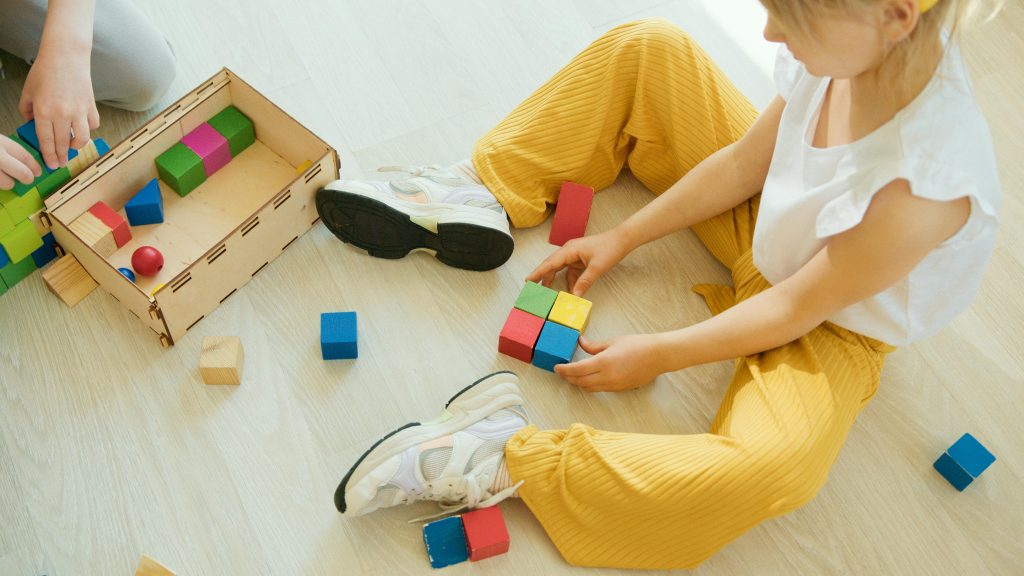
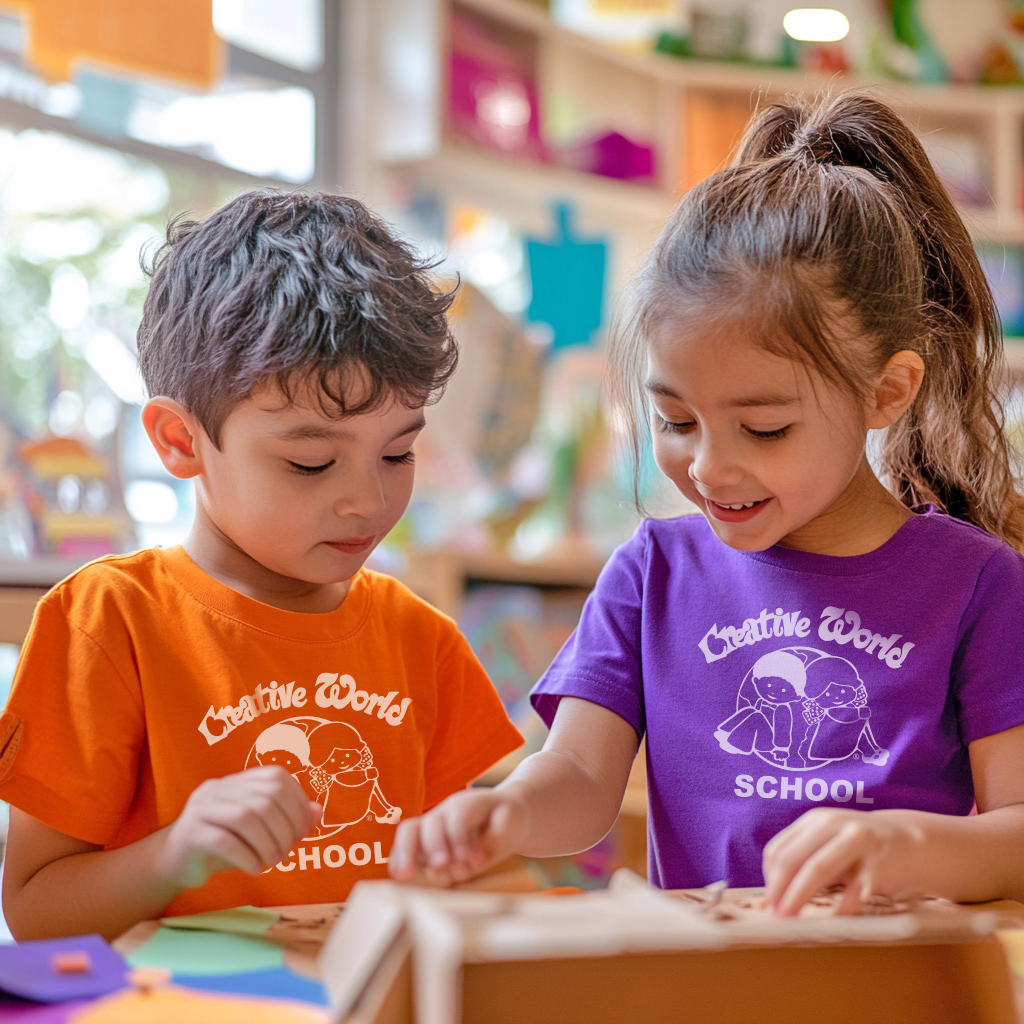
Fine motor skills play a big role in all of this. These are the small movements children make with their fingers and hands, like picking up puzzle pieces, holding a crayon, or threading beads. Practicing with both hands gives them a chance to get stronger and more coordinated while building confidence in whichever hand ends up taking the lead.
Play and Everyday Activities Build Hand Skills
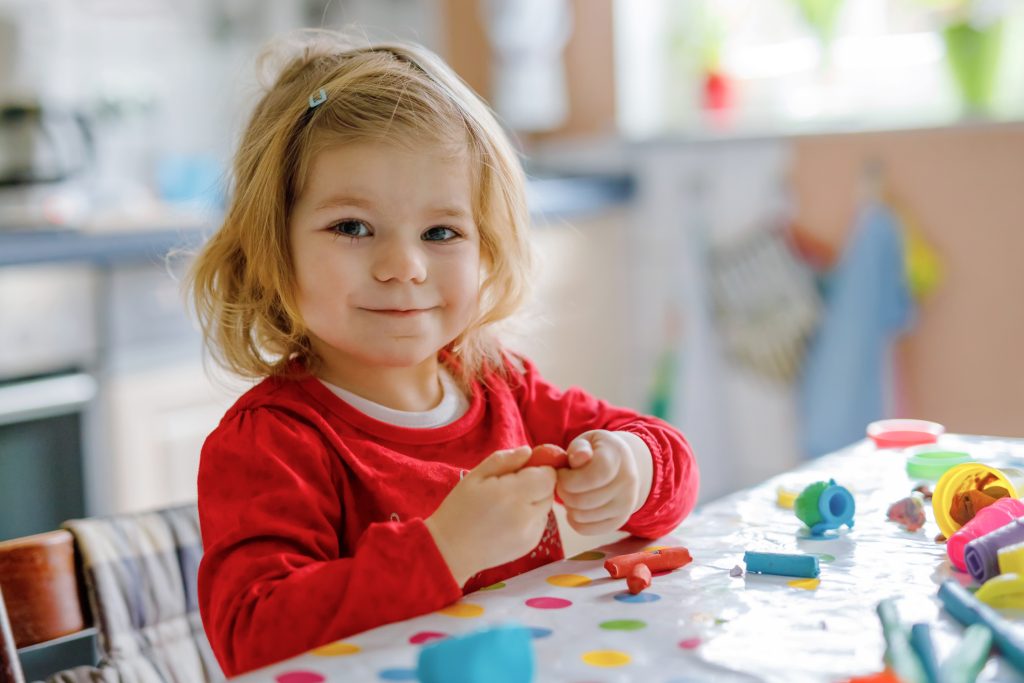
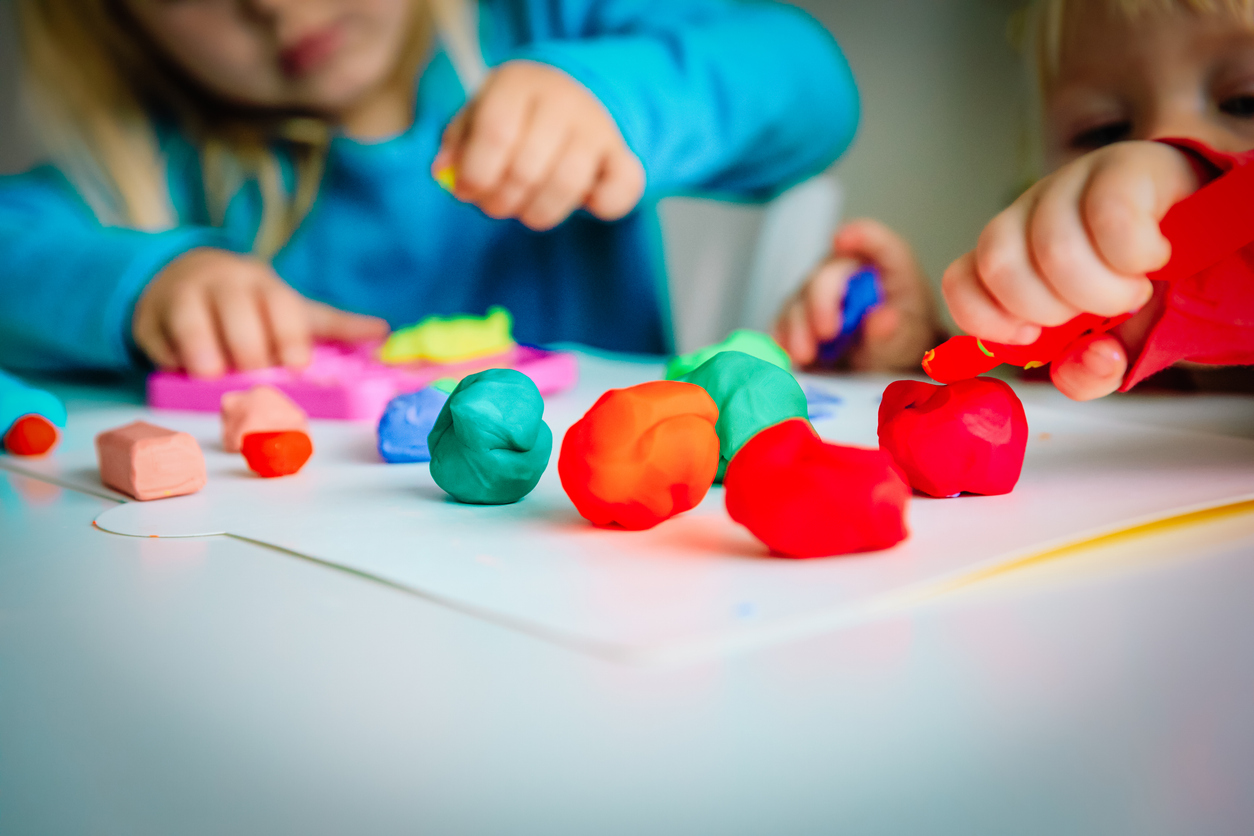
Play is one of the simplest ways to help your child develop hand skills. Finger painting, molding Play-Doh, stacking cups, or turning pages in a book give kids lots of chances to practice coordination and control. And it doesn’t matter if they don’t hold a crayon “perfectly” yet or can’t cut in a straight line. Those skills come with practice, not perfection.
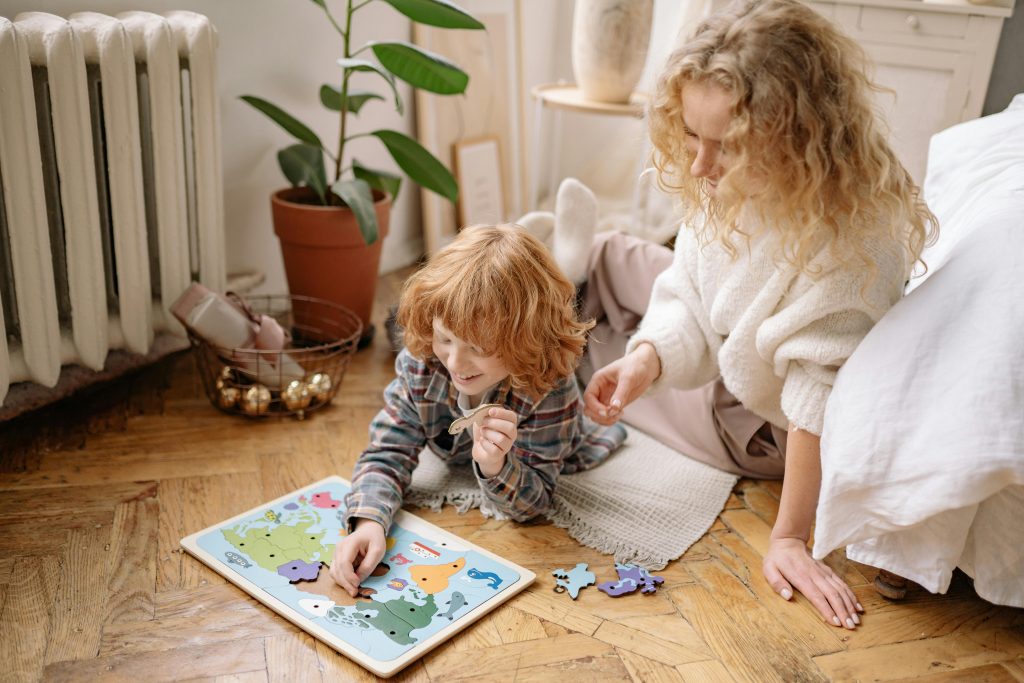
Jigsaw puzzles are especially useful. Fitting pieces together requires grasping, rotating, and sometimes switching hands. Kids who play with puzzles regularly improve hand coordination, attention span, and problem-solving skills. It’s also a great time for you to cheer them on, guide gently, and celebrate when they finally get that tricky piece in place.
Even everyday tasks give their hands a workout. Let your child stir ingredients, open containers, or pick up toys. And if they start doing things “backwards,” like holding scissors differently from what you remember doing as a kid, that’s okay too. Children develop control in their own way, and flexibility is part of learning. Visual cues, like charts with pictures for crafts or puzzle steps, help children follow along and feel proud when they finish a task independently.
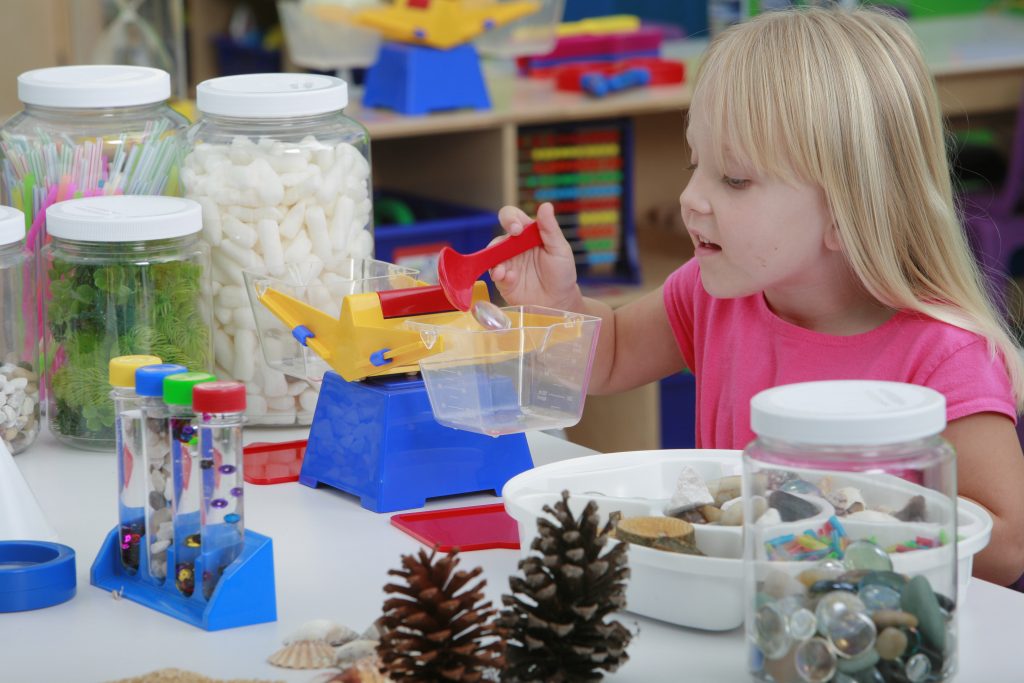
A great way to reinforce hand development through play is by sharing books that encourage problem-solving and spatial thinking. Press Here by Hervé Tullet is a favorite for young children because it invites them to touch, tap, and interact with the pages. Kids naturally use their hands to follow directions, turn pages, and explore cause and effect, all while strengthening fine motor skills and coordination in a fun, pressure-free way.
Why Hand Development Matters
Hand dominance isn’t just about being right-handed or left-handed. It shows how your child’s brain and body are learning to work together. Strong fine motor skills now make things like writing, using scissors, and self-care tasks easier later on. Kids who practice using both hands tend to develop more overall control and dexterity.
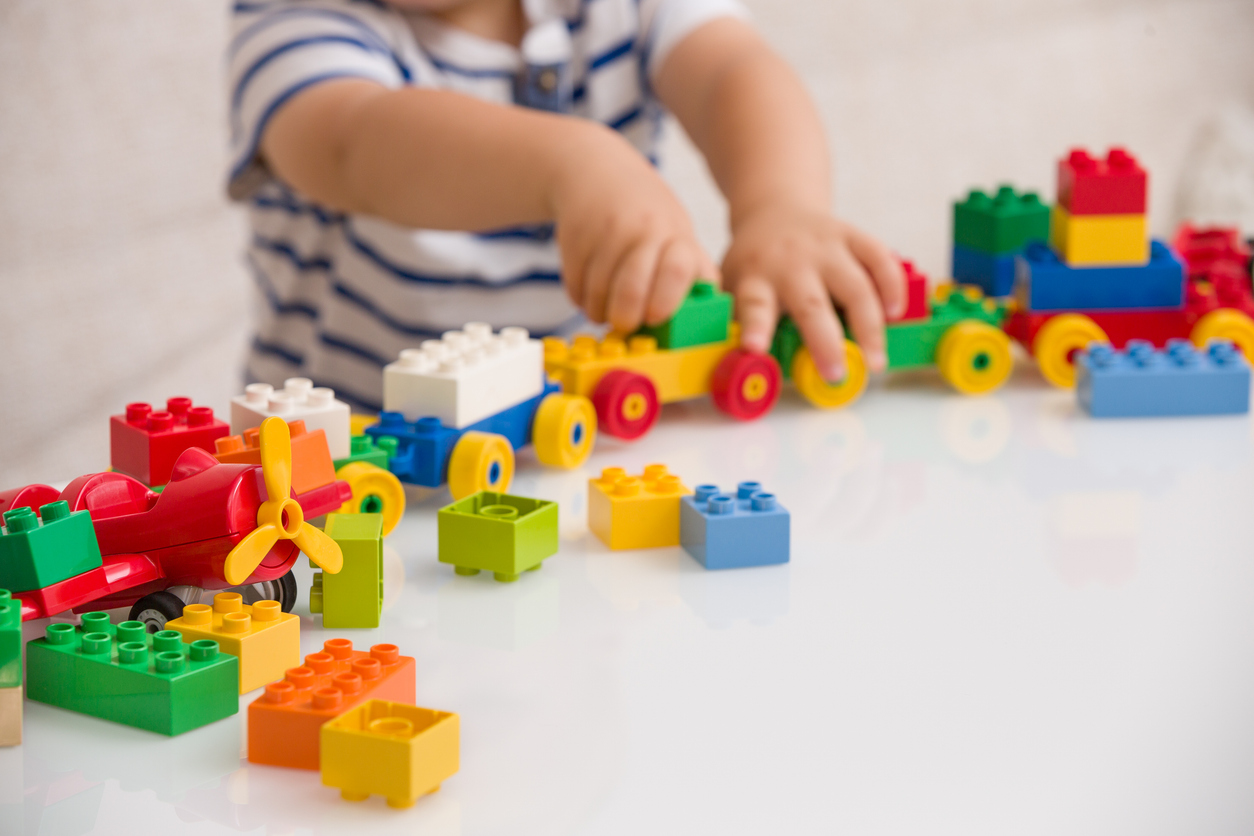
Hand development also connects to thinking skills. Manipulating objects, planning movements, and solving puzzles are all ways your child exercises their brain. You may notice they can stack blocks in creative ways or solve simple problems on their own. And even if your child doesn’t always follow the “correct” steps, they’re still learning important skills like focus, patience, and perseverance. Celebrate small wins like completing a first puzzle, drawing a recognizable shape, or stacking blocks independently because every success builds confidence and curiosity.
Remember, every child develops at their own pace. Some settle on a dominant hand early, others take longer. Encouraging exploration, cheering them on, and celebrating their wins helps children feel supported and confident.
Growing Up Left-Handed in a Right-Handed World
If your child does turn out to be left-handed, it’s helpful to know that they may occasionally need a little extra support in a world designed mostly for right-handed people. Everyday tools like scissors, notebooks, and even classroom seating are often made with right-handed use in mind. That doesn’t mean your child will struggle, but it does mean small adjustments can make a big difference.
At home, handing them left-handed scissors, placing paper slightly to the right of your child’s body, and letting them experiment with how they hold writing tools can help them feel more comfortable. When it comes to writing, smudging can sometimes be frustrating for left-handed kids, so encouraging slower movements and using quick-drying crayons or pencils can help build confidence. Most importantly, avoid correcting or redirecting their hand use. Let their comfort lead the way.
Many left-handed children develop excellent problem-solving skills and adaptability simply because they learn to navigate tools differently. With encouragement, patience, and the right materials, left-handed kids succeed just as easily as right-handed ones. Supporting your child doesn’t mean changing how they use their hands. It means creating an environment where their natural preferences are respected and supported.
Right Where They Belong (or Left!) at Creative World School
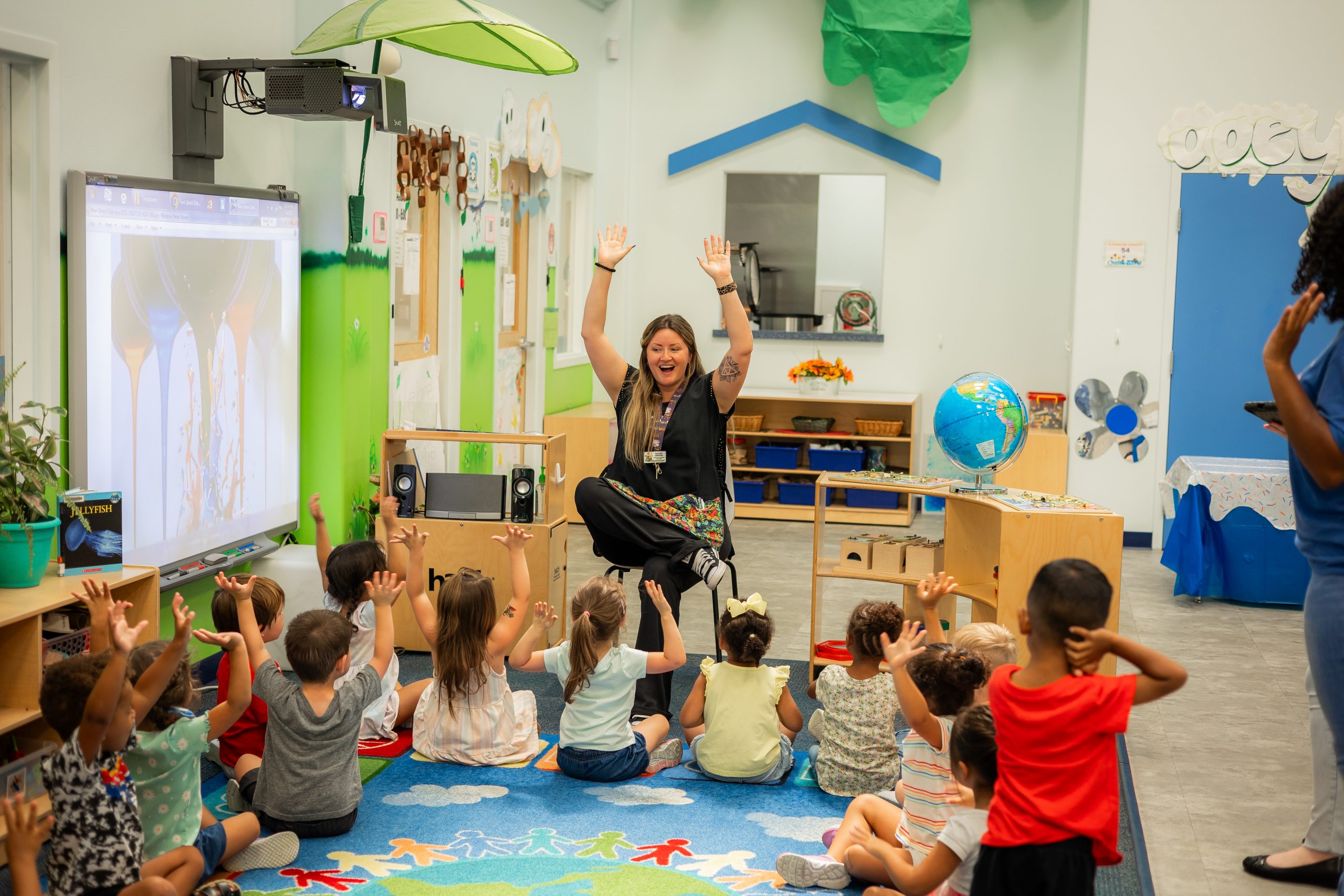
At Creative World School, we make it easy for kids to explore, create, and practice skills that build hand strength and confidence. Our deskless classrooms and Exploratorium™ are designed for hands-on learning, puzzles, and crafts that let children follow their curiosity. With our inquiry-based curriculum, we believe in following their lead, supporting their ideas, and letting their natural interests guide their learning.
Schedule a tour at a preschool near you to see how your child can explore, learn, and thrive in a supportive, playful environment. We’d love to show you around, answer your questions, and help your child start building skills that last a lifetime.

Related Articles
Categories
- About Creative World (3)
- All About Water (4)
- Altamonte Springs (1)
- Animal Adventures (4)
- Apollo Beach (5)
- Apopka (4)
- Art (5)
- Avalon (2)
- Avalon Park (4)
- Away We Go (3)
- Back to school (3)
- Belton (4)
- Blogs to Share on Social Media (7)
- Bonita Springs (1)
- Brandon (2)
- Brrr... Cold! (2)
- Buggin' Out (2)
- Build It Up Theme (6)
- CampTastic (3)
- Chesapeake (2)
- Childhood Development (26)
- Children Book Recommendations (13)
- Children Quotes (1)
- Children Songs (1)
- Construction Theme (1)
- Contests (1)
- Creative World Curriculum (4)
- Creative World School (2)
- Crosscreek (4)
- CW Activity (2)
- CW Books (11)
- CW Celebrates (10)
- CW Character Traits (1)
- CW Educational Focus (4)
- CW Spotlight (1)
- Cypress Springs (3)
- Delicious Recipes (2)
- Did You Know? (1)
- Down To Earth (3)
- Early Education (19)
- Education (7)
- Estero (8)
- Fall Activities (3)
- Fall Festival (1)
- Fishhawk (2)
- Food (2)
- Franchise (1)
- Franklin Township (3)
- Friendship Theme (1)
- Fun National Holidays (19)
- Georgetown, TX (2)
- Health & Safety (5)
- In The Sky (2)
- In The Trees (4)
- iSTEAM (1)
- Katy, TX (4)
- Kindergarten (5)
- Land O' Lakes (2)
- Leander, TX (1)
- Lee's Summit (5)
- Liberty (1)
- Literacy (8)
- Loudoun County, VA (1)
- Mealtimes (1)
- Naples (3)
- New Schools (1)
- North Naples (3)
- Oakstead (4)
- Ooey Gooey (1)
- Orlando (5)
- Our Staff Recommends (2)
- Outdoor Activities (11)
- Oviedo (3)
- Parenting (55)
- Parenting Advice (47)
- People We Know (3)
- psychology (1)
- Rivercrest (1)
- Riverview (4)
- RiverWalk (1)
- School Events (3)
- School Readiness (5)
- Sensory Play (2)
- social-emotional (3)
- Space Topic (1)
- Special Events (17)
- St. Cloud (1)
- St. Cloud (5)
- Starkey Ranch (5)
- STEAM (5)
- Summer (3)
- Summer Activities (32)
- Tampa (6)
- That's Me! (2)
- Tips (3)
- To The Grocery Store (2)
- Try this with your kids! (4)
- Tuition (1)
- TX (1)
- UCF (5)
- Uncategorized (74)
- Vinings (2)
- water (1)
- We're SERIOUS about PLAY (2)
- Week of the Young Child (2)
- Wesley Chapel (2)
- Winter Activities (3)