

Hidden Library Resources Every Preschool Parent Should Be Using
Creative world school Dec 26, 2025Your library card is one of the most powerful parenting tools you already own. It looks simple, but it opens a world filled with stories, creativity, discovery, and play. Libraries are designed for families, and they’re full of early learning treasures tucked between bookshelves and around quiet corners. A quick visit can spark curiosity, inspire new interests, and fill your week with fun activities that don’t cost a thing.
Most parents already know about storytime or grabbing a stack of picture books. But the library has so much more going on, and a lot of it flies under the radar. A quick visit can turn into something your child looks forward to every week.
If you’re looking for new ways to keep your preschooler engaged and learning without spending a ton of money, the library is one of the best places to start. Here are a few lesser-known tips to help you get the most out of it.
Start with the Librarian and Let Curiosity Lead
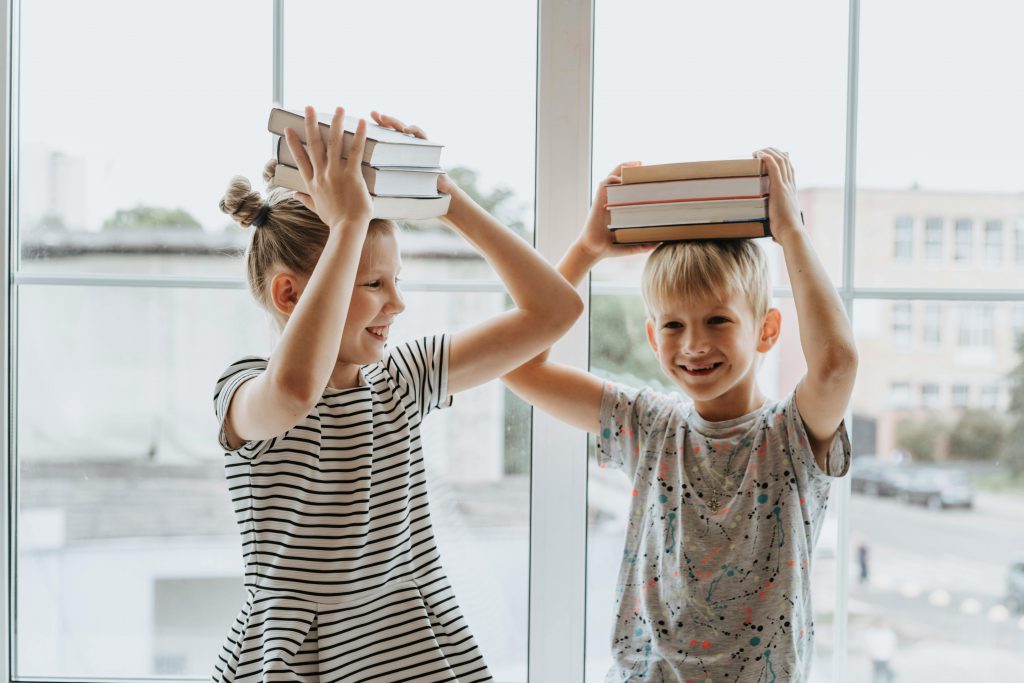
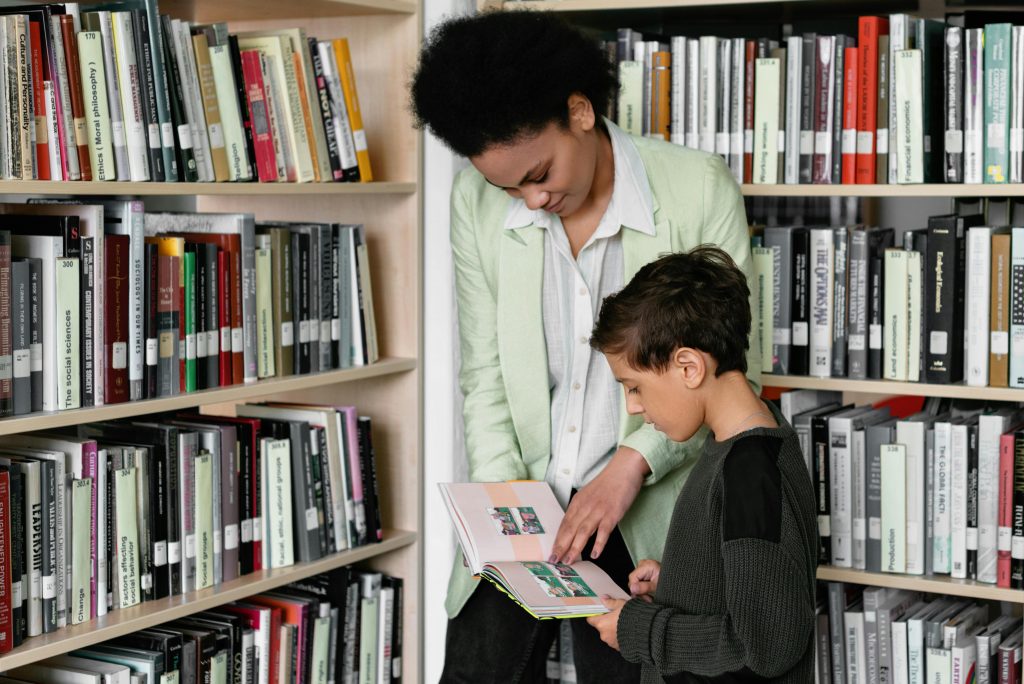
A friendly librarian can turn your visit into something magical. Children’s librarians know every corner of the space and love helping families explore it. They can recommend books based on your child’s reading level, show you brand new arrivals, or help you find books on any topic your child is into—feelings, firefighters, frogs, you name it!
You can also ask if your library offers themed book bundles. These little collections are great if you’re in a hurry or need something to get through the week. There’s often one for kindness, animals, potty training, or getting ready for school.
Many libraries also loan out more than just books. You might find puzzles, puppets, musical instruments, and full activity kits tucked away behind the desk or in labeled bins. Some branches call them “discovery kits” or “theme backpacks,” and they usually include books, games, and hands-on items that support early learning.
Some libraries even have a music area with simple instruments kids can explore. You might find tambourines, shakers, or rhythm sticks. Staff sometimes run mini music sessions or are happy to help your child try out a few sounds. You can also borrow kid-friendly music CDs or DVDs with sing-alongs, learning songs, and dance breaks built in. These are great for car rides, rainy days, or winding down before bedtime.
Use Digital Tools Designed for Young Learners
Even if your child isn’t reading yet, there are digital tools from the library that make stories more exciting. With your library card, you can usually access apps like BookFlix or TumbleBooks. These have animated picture books, read-alouds, and simple games designed for young children.
Some parents also use the kids section of Hoopla’s kids mode or Libby for audiobooks or music. If you’re on the go a lot, downloading a few stories or songs can be a lifesaver during traffic or errands. Ask your librarian what’s available through your branch and how to log in. Once it’s set up, it’s pretty easy to use.
One of the most amazing resources is a Launchpad. A Launchpad is a kid-friendly learning tablet you may be able to borrow at your local branch. It comes preloaded with early literacy games, puzzles, stories, and themed activities. There are no ads and no internet needed. It feels exciting and special for children, and it’s incredibly simple for parents to use.

Join In-Person Programs That Go Beyond Storytime
Storytime is great, but a lot of libraries have expanded way beyond that. Look for music and movement classes, preschool art mornings, or drop-in play sessions where your child can build, sort, or explore. These events are usually free and don’t require registration, so you can join in when it works for your schedule. Some libraries even bring in child development specialists to lead mini workshops for parents. These might cover things like language skills, toddler behavior, or getting ready for preschool. You’ll usually leave with a few helpful tips and some materials to try at home.
And don’t forget to ask about museum passes. Some libraries partner with local zoos, aquariums, or kids’ museums to offer free or discounted entry. It’s a great way to plan a weekend outing without breaking the bank.
Make the Library a Place to Play
Most children’s areas are set up for more than just quiet reading. Look around and might find lifesized puzzles, puppet theaters, letter magnets, or even pretend kitchens and building blocks. These stations are meant to encourage literacy, imagination, and motor skills.
The next time you visit, let your child explore before choosing books. Notice which play materials they’re drawn to. Many of these spaces are designed with preschool learning goals in mind, even if they look like simple fun. You might also find themed displays that pair books with toys or activities, giving you an easy way to build early literacy through play.
It also helps to make library visits part of your preschooler’s routine. Maybe every Tuesday morning or Friday afternoon. Pack a bag together, return last week’s books, and let your child help pick new ones. Set up a cozy spot at home where library books stay during the week, and you’ve got yourself a sweet little system. The more your child feels included in the process, the more confident and curious they become. Even young children can help choose books, ask questions, and talk about what they’re learning.
Don’t Skip the Parenting Section
There’s something really comforting about knowing the library has books for your child and books for you too. The parenting section is filled with practical reads that support your day-to-day life, from toddler emotions and sleep routines to positive discipline and preschool readiness. You’ll also find self-help books written with parents in mind. These often focus on managing stress, building healthy habits, and creating more calm and connection at home.
Most libraries organize this section to support the whole parent. You’ll see mind-focused books that explain early childhood development in simple, encouraging ways or offer tools for caring for your own mental wellbeing. You’ll find body-focused books that talk about nutrition, family rhythms, and keeping everyone feeling their best. And you’ll see relationship-focused books that help you build strong connections with your child, your partner, and your wider support circle.
Nearby, you’ll usually spot flyers for parenting groups, family activities, and early childhood programs in your community. It’s one of the easiest places to gather helpful ideas without having to search for them.
As always, if you’re unsure where to begin, ask a librarian. They’re amazing at guiding parents just like you toward resources that fit the age and stage you’re in. Sometimes a quick recommendation or a new idea from that little shelf can make your whole week feel lighter.
Learning Starts with Curiosity
At Creative World School, we love how a simple library visit can spark big ideas. Books invite children to imagine, question, retell, and explore, and those same skills come alive in our Exploratorium™. When children dig into stories, flip through pictures, or follow their curiosity down a new aisle, they’re practicing the kind of joyful learning that matters most.
We build that spirit of discovery into every day. Children get the chance to explore new topics, ask questions, and make connections just like they do when they’re discovering a new favorite book. If you’d like to see how we bring stories, wonder, and hands-on learning together, find your nearest Creative World School and schedule a tour today.

Related Articles



Categories
- About Creative World (3)
- All About Water (4)
- Altamonte Springs (1)
- Animal Adventures (4)
- Apollo Beach (6)
- Apopka (4)
- Art (5)
- Avalon (2)
- Avalon Park (5)
- Away We Go (3)
- Back to school (4)
- Belton (4)
- Blogs to Share on Social Media (7)
- Bonita Springs (1)
- Brandon (2)
- Brrr... Cold! (2)
- Buggin' Out (2)
- Build It Up Theme (6)
- CampTastic (3)
- Chesapeake (3)
- Childhood Development (33)
- Children Book Recommendations (14)
- Children Quotes (1)
- Children Songs (1)
- Construction Theme (1)
- Contests (1)
- Creative World Curriculum (4)
- Creative World School (2)
- Crosscreek (4)
- CW Activity (2)
- CW Books (11)
- CW Celebrates (10)
- CW Character Traits (1)
- CW Educational Focus (4)
- CW Spotlight (1)
- Cypress Springs (3)
- Delicious Recipes (2)
- Did You Know? (1)
- Down To Earth (3)
- Early Education (19)
- Education (7)
- Estero (8)
- Fall Activities (10)
- Fall Festival (1)
- Fishhawk (3)
- Food (2)
- Franchise (1)
- Franklin Township (4)
- Friendship Theme (1)
- Fun National Holidays (19)
- Georgetown, TX (3)
- Health & Safety (5)
- In The Sky (2)
- In The Trees (4)
- iSTEAM (5)
- Katy, TX (5)
- Kindergarten (5)
- Land O' Lakes (3)
- Leander, TX (1)
- Lee's Summit (5)
- Liberty (1)
- Literacy (8)
- Loudoun County, VA (2)
- Mealtimes (1)
- Naples (4)
- New Schools (3)
- North Naples (4)
- Oakstead (4)
- Ooey Gooey (1)
- Orlando (5)
- Our Staff Recommends (2)
- Outdoor Activities (14)
- Oviedo (4)
- Parenting (62)
- Parenting Advice (60)
- People We Know (3)
- psychology (1)
- Rivercrest (1)
- Riverview (4)
- RiverWalk (1)
- School Events (3)
- School Readiness (5)
- Sensory Play (2)
- social-emotional (3)
- Space Topic (1)
- Special Events (17)
- St. Cloud (5)
- St. Cloud (1)
- Starkey Ranch (5)
- STEAM (5)
- Summer (3)
- Summer Activities (38)
- Tampa (6)
- That's Me! (2)
- Tips (3)
- To The Grocery Store (2)
- Try this with your kids! (4)
- Tuition (1)
- TX (1)
- UCF (5)
- Uncategorized (72)
- Vinings (2)
- water (1)
- We're SERIOUS about PLAY (2)
- Week of the Young Child (2)
- Wesley Chapel (2)
- Winter Activities (3)