
Coding for Preschoolers Starts With Patterns, Recipes, and Obstacle Courses
Creative world school Nov 6, 2026Between the ads for toddler coding apps and the headlines about AI that writes code, a fair question comes up at a lot of kitchen tables. Should your preschooler be learning to code?
Yes, in the way a 3-year-old can! At three to five, coding comes down to three habits of thinking. Kids build them by putting steps in order, spotting patterns, and working out what happens when one thing changes, and your kitchen and living room floor are full of chances to practice. Below is what that looks like at home, what to make of coding toys and apps, and why the thinking still matters in the age of AI.
What Coding Means for Preschoolers
Grown-up coding is a list of instructions a computer follows exactly, in order. A preschooler can’t write that list yet, but they can practice the thinking behind it, which researchers call computational thinking.
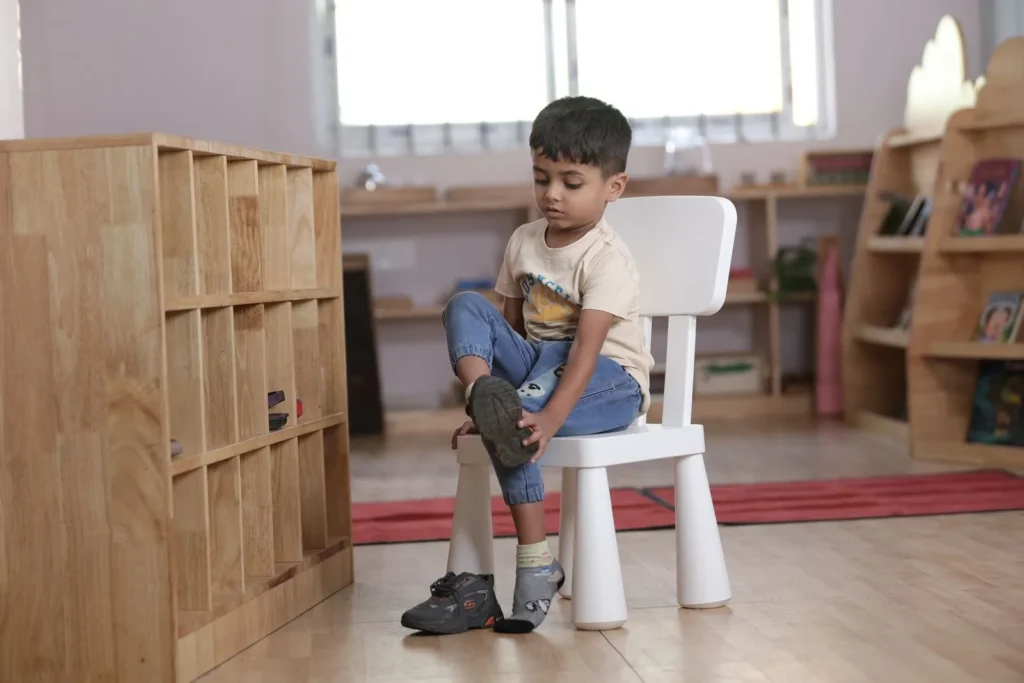
Sequencing comes first, like knowing socks go on before shoes. Then there’s pattern recognition, noticing that something repeats so you can guess what’s next. If-then thinking is the one your kiddo uses when they figure out that if it’s raining, then the boots come out.
A small 2024 study gave six children ages four to seven hands-on sequencing tasks with no screens involved, and the kids showed pattern recognition, step-by-step procedures, breaking a problem into parts, and debugging. The researchers concluded that putting things in order is a good starting point for kids this age, and that tasks like these are easy to fold into other activities.
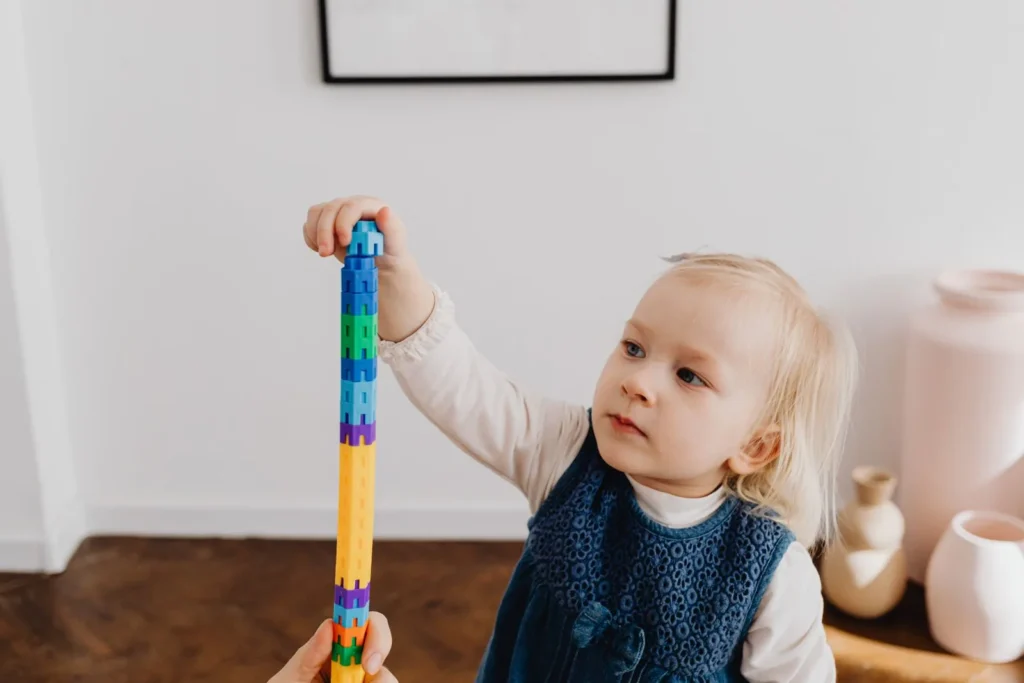
Debugging, finding and fixing a mistake, is the part of coding that looks most like an ordinary preschool day. When a block tower falls and your child moves the big block to the bottom and tries again, that’s debugging! Something didn’t work, they looked for the reason, and they changed one thing.
Practicing Coding Skills Without a Screen
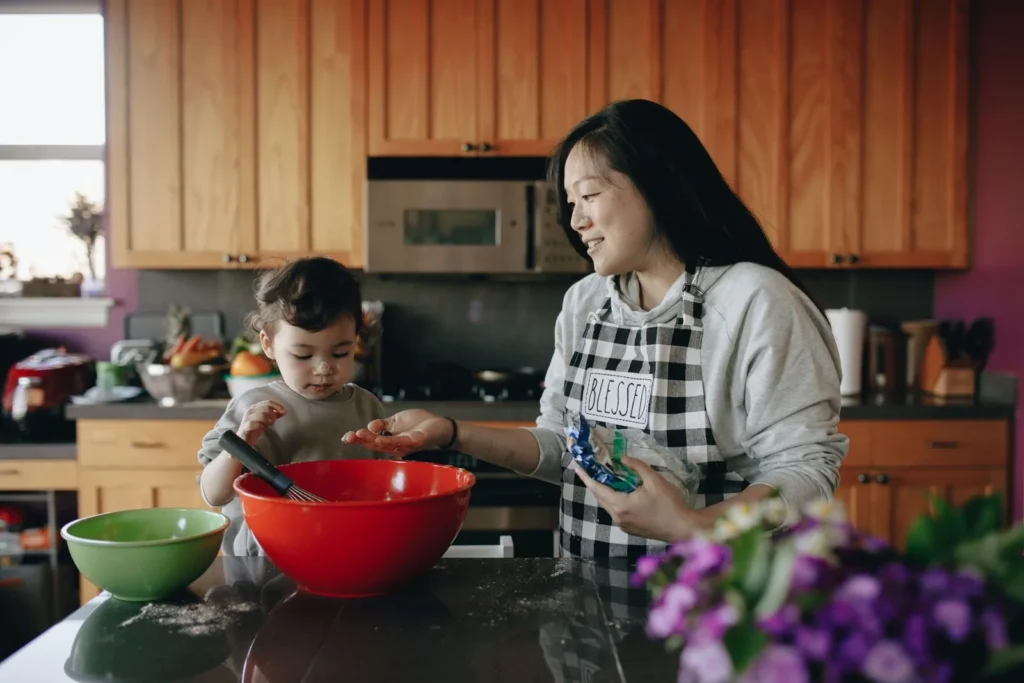
A recipe is a program. Next time you make pancakes together, read the steps out loud and let your kiddo call out what comes next. Then skip the flour step on purpose and see if they catch the bug before anything goes in the pan. If it slips past them, a runny bowl of eggs and milk makes the point for you.
An obstacle course flips the usual roles. Let your child plan a route through the living room and call out each move, like over the cushion and under the table. Follow the directions exactly, even when they march you straight into the couch! When they spot the mistake in their own instructions and fix it, that’s debugging with a lot of giggling.
Patterns turn up everywhere, from the stripes on a shirt to a clapping game. Clap, clap, stomp, and see if your child can guess what comes next, then let them make one up for you. Our post on early math at home has more pattern games, and you’ll find other hands-on ideas in our simple at-home inquiry activities.
Are Coding Toys and Apps Worth It?
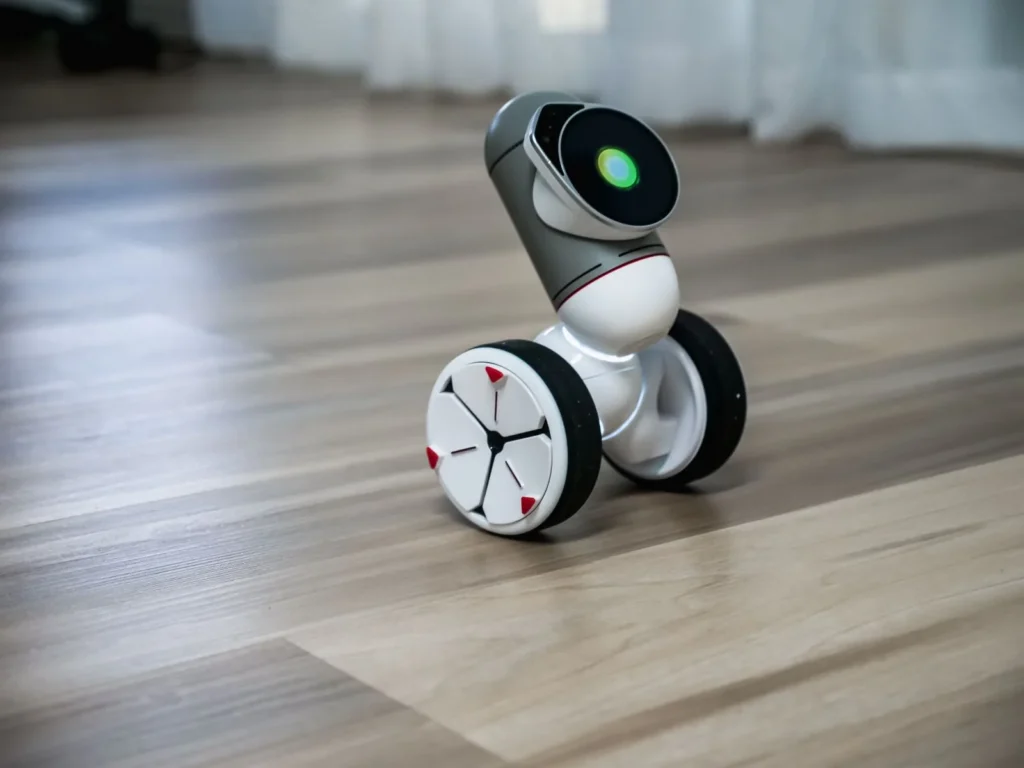
Many coding robots made for little kids are simpler than they sound. A Bee-Bot is a bumblebee robot with arrow buttons on its back, so you press the steps in order, hit go, and it rolls where you told it to.
In a small pilot study, six 4- and 5-year-olds who coded Bee-Bots over four sessions raised their average early math score from 7 to 9.56, with gains in comparing lengths, finishing patterns, and building shapes. The researcher credited the design, since the robot does nothing until the child thinks the steps through. A 2022 study of three preschool coding clubs found kids building teamwork, logical thinking, and debugging skills, though programming the robots was tricky and they needed adults to help steer them along routes.
So a coding toy can be a good buy if it’s simple and physical and you play along, because even the kids in those coding clubs needed a grown-up beside them. If one is on the holiday list, our guide to picking a STEM toy your preschooler keeps coming back to covers the rest of that decision.
Apps are harder to judge. A 2015 review found no science-based standards behind the “educational” label on apps and named four things that help kids learn. Is your child thinking, or just tapping? Can they stay focused without pop-ups pulling them away? Does it connect to real life? Does it get them talking with you? On the days you’d rather leave the tablet off, here’s what holds a preschooler’s attention instead.
Does Coding Still Matter in the Age of AI?
AI tools can write working code now, so it’s fair to wonder why a preschooler would need any of this.
The programming languages will probably look different by the time your kid is in high school, and AI may be writing even more of the code. Someone will still have to break a big job into small steps, say exactly what they want, notice when the result is wrong, and work out why. Your preschooler uses those same habits fixing a tower or catching your missing flour.
So yes, a preschooler should learn to code, as long as the lessons look like play. Start with the steps of a recipe and save the typing for later. There’s plenty of time!
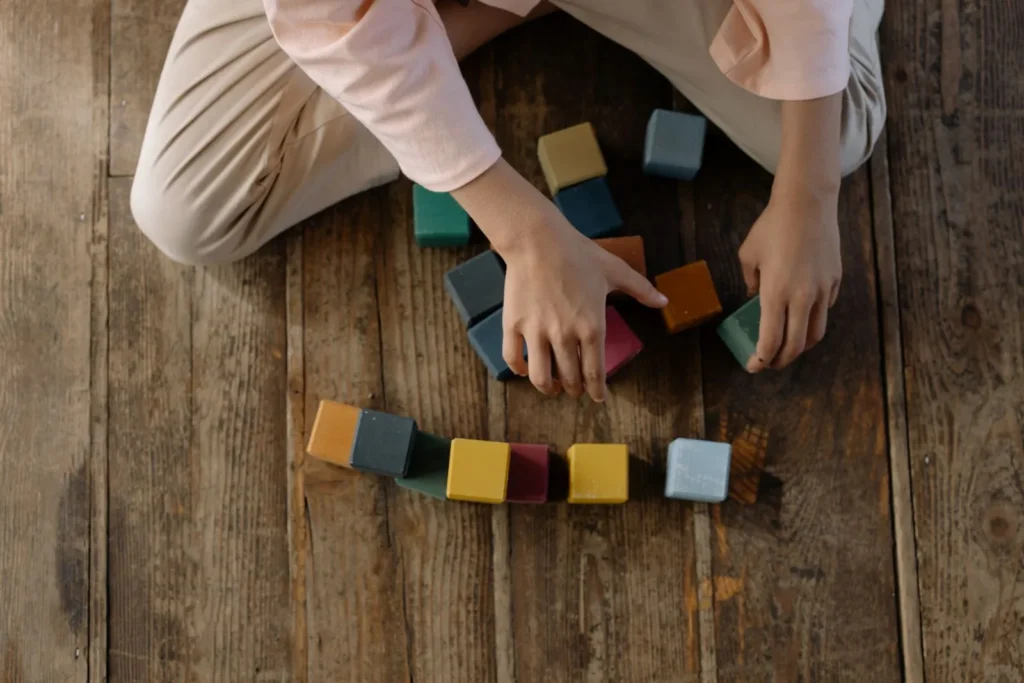
Early Problem Solving in Our Preschool Classrooms
At Creative World School, our preschoolers get lots of practice building, sorting, and fixing. Our iSTEAM curriculum starts with the little i, which stands for inquiry, so the kids’ own questions lead and the science, technology, engineering, art, and math follow. Technology for us includes ramps, scales, latches, and simple machines, and our hands-on Exploratorium™ gives kids room to try an idea, watch it flop, and fix it.

Related Articles
-
“Let’s Find Out” Is the Best STEM Answer You Can Give Your Preschooler

-
10 Creative Strategies for Introducing New Foods to Picky Toddlers: Tips and Tricks

-
10 Earth Day Adventures for Preschoolers
-
7 Fast Yet Nutritious Toddler Breakfasts for Busy Parents
-
Achieving Work-Life Balance with Young Kids: Practical Tips for Busy Parents



Categories
- About Creative World (2)
- All About Water (1)
- Altamonte Springs (1)
- Animal Adventures (2)
- Apollo Beach (6)
- Apopka (5)
- Art (3)
- Avalon Park (4)
- Back to school (4)
- Belton (4)
- Blogs to Share on Social Media (7)
- Brandon (3)
- Build It Up Theme (2)
- CampTastic (3)
- Chesapeake (3)
- Childhood Development (31)
- Children Book Recommendations (5)
- Construction Theme (1)
- Creative World Curriculum (2)
- Crosscreek (4)
- CW Activity (2)
- CW Books (2)
- CW Celebrates (3)
- CW Spotlight (1)
- Cypress Springs (4)
- Did You Know? (1)
- Down To Earth (1)
- Early Education (4)
- Education (1)
- Estero (2)
- Fall Activities (22)
- Fall Festival (1)
- Fishhawk (4)
- Food (1)
- Franchise (1)
- Franklin Township (5)
- Friendship Theme (1)
- Fun National Holidays (19)
- Georgetown, TX (4)
- Health & Safety (4)
- In The Sky (2)
- iSTEAM (9)
- Katy, TX (5)
- Kindergarten (5)
- Land O' Lakes (3)
- Leander, TX (3)
- Lee's Summit (6)
- Liberty (1)
- Literacy (5)
- Loudoun County, VA (2)
- Naples (4)
- New Schools (4)
- North Naples (4)
- Oakstead (5)
- Ooey Gooey (1)
- Orlando (5)
- Outdoor Activities (14)
- Oviedo (4)
- Parenting (53)
- Parenting Advice (62)
- psychology (1)
- Riverview (5)
- RiverWalk (1)
- School Events (3)
- School Readiness (4)
- Sensory Play (1)
- social-emotional (2)
- Space Topic (1)
- Special Events (14)
- St. Cloud (2)
- St. Cloud (5)
- Starkey Ranch (6)
- STEAM (1)
- Summer Activities (35)
- Tampa (7)
- That's Me! (1)
- Tips (2)
- To The Grocery Store (1)
- Try this with your kids! (2)
- Tuition (1)
- TX (1)
- UCF (6)
- Uncategorized (62)
- Vinings (2)
- We're SERIOUS about PLAY (2)
- Week of the Young Child (1)
- Wesley Chapel (3)
- Winter Activities (1)